
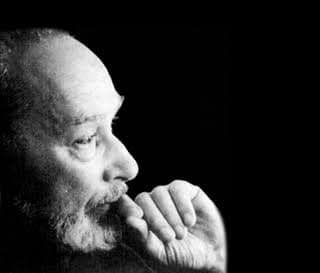
1919년 7월 31일, 유대계 이탈리아 화학자이자 작가 프리모 레비 (Primo Michele Levi, 1919 ~ 1987) 출생
프리모 레비 (Primo Michele Levi, 1919년 7월 31일 ~ 1987년 4월 11일)는 유대계 이탈리아 화학자이자 작가이다.

아우슈비츠 생존자로서의 경험을 쓴 ‘이것이 인간인가’가 대표작이다.
– 프리모 레비(Primo Michele Levi)
.출생: 1919년 7월 31일 이탈리아 토리노
.사망: 1987년 4월 11일 (67세) 이탈리아 토리노
.직업: 화학자, 작가 .대표작: ‘이것이 인간인가’, ‘주기율표’ 외
이탈리아인 작가, 화학자. 1919~1987. 이탈리아의 토리노에서 태어났다. 토리노 대학 화학과를 졸업 후, 2차대전 말기 파시즘에 저항하는 파르티잔 부대에 가담했다. 그러나 활동도 제대로 못하고 모조리 체포된 뒤 아우슈비츠에 넘겨졌다.
아우슈비츠 제3수용소에 이송되어 화학 박사라는 직함 덕분에 몇번의 위험에도 살아남았다. 참고로 제3수용소는 화학 공장과 인접하여 프리모 레비의 경력이 영향을 주었을 것이다.
생존 후 토리노로 돌아오자마자 그의 걸작 ‘이것이 인간인가’의 집필에 들어갔다. 1947년 첫 출간되었으나 거의 주목받지 못했다가 1957년 재출간하면서 세계적인 베스트 셀러가 된다.
작가로서 세계적인 유명인이 된 후에도 자신이 취직한 공장을 관두지 않았고 1977년 퇴직할 때까지 일과 저술을 병행하였다. 그래서 소개에도 작가와 화학자를 같이 적어놓았다. 1975년 세번째 회고록인 주기율표는 그의 화학자로서의 면모와 작가로서의 면모가 모두 녹아든 걸작이다.
1986년 최후의 저서 가라앉은 자와 구조된 자를 출간하고 1년뒤 자택에서 자살하였다.
힌국내 출간된 프리모 레비 연구서로는 서경식의 ‘시대의 증언자 쁘리모 레비를 찾아서’가 있다
○ 생애 및 활동
프리모 레비 (Primo Michele Levi, 1919년 7월 31일 ~ 1987년 4월 11)는 1919년 7월 31일 이탈리아 토리노에서 태어났다.
그의 조상들은 19세기 초 스페인에서 이탈리아 피에몬테 지방으로 이주해온 유대인들로 토리노에서 작은 공동체를 이루며 살았다.
토리노 대학 화학과를 수석으로 졸업했다.
1943년 12월 13일 파시스트민병대에 체포되어, 1944년 2월 21일 다른 포솔리 수용자들과 함께 아우슈비츠로 이송되었다.
총 650명의 수용자가 12칸의 화물차로 이송되었으며, 레비가 탄 화물칸에서는 45명 중 4명이 살아 남았다.
레비는 붉은 군대에 의해 해방되기 전까지 11개월을 수용소에서 보냈다. 당시 새로 들어온 수감자의 평균 생존 기간은 3개월이었다.
아우슈비츠에서의 기적적인 생환과 귀향의 체험을 바탕으로 한 회고록과 소설 등을 집필하여 세계적인 명성을 얻었다.
 주요 생애 및 여정
프리모 레비(Primo Michele Levi)는 아우슈비츠 강제 수용소에서의 지옥 같은 체험을 이성적이고 침착한 필치로 증언한 이탈리아 출신의 유대계 화학자이자 작가다.
인간 존엄성의 말살 과정을 과학자의 눈으로 냉철하게 기록하여, 20세기 홀로코스트 문학의 독보적인 거장으로 평가받는다.
.화학 전공과 레지스탕스: 1919년 이탈리아 토리노에서 태어나 토리노 대학교에서 화학을 전공했다. 제2차 세계대전 중 파시즘에 저항하는 반파시스트 레지스탕스 운동에 참여했다가 1943년 말 체포되었다.
.아우슈비츠 생존: 유대인이라는 이유로 1944년 아우슈비츠 제3수용소(모노비츠)로 이송되었다. 수용소 내 고된 노동 대신 자신의 화학 전공 지식 덕분에 실험실 연구원으로 선발되면서 극적으로 살아남아 1945년 1월 해방을 맞이했다.
.비극적인 죽음: 평생 수용소의 기억과 살아남았다는 부채감(생존자 증후군)에 시달렸던 그는, 1987년 4월 고향 토리노의 아파트 계단참에서 추락하여 사망했습니다. 당국은 자살로 결론지었다

○ 저서
.《이것이 인간인가》(돌베개, 2007)
.《주기율표》(돌베개, 2007)
.《휴전》(돌베개, 2010)
.《멍키스패너》(돌베개, 2013)
.《가라앉은 자와 구조된 자》(돌베개, 2014)
.《지금이 아니면 언제?》(돌베개, 2017)
*대표 저서
《이것이 인간인가》 (If This Is a Man, 1947): 아우슈비츠에서의 1년간의 기록을 담은 그의 첫 번째 회고록이자 대표작이다. 분노나 감상주의를 배제하고, 인간이 어디까지 잔혹해질 수 있는지와 존엄성이 파괴되는 과정을 냉철하게 묘사했다.
《휴전》 (The Truce, 1963): 아우슈비츠 해방 이후 고향 이탈리아로 돌아오기까지 수개월간의 길고 고된 여정을 위트와 희망을 섞어 그려낸 작품이다.
《주기율표》 (The Periodic Table, 1975): 원소 고유의 특성을 인간의 삶과 역사, 수용소 경험에 빗대어 쓴 자전적 소설집이다. 영국 왕립연구소로부터 ‘역사상 가장 훌륭한 과학 책’으로 선정되기도 했다.
《غرقشدگان و نجاتیافتگان》 (가라앉은 자와 구조된 자 / I sommersi e i salvati, 1986): 생을 마감하기 직전 집필한 사회학적 수필로, 수용소 내의 권력 구조와 인간의 기억에 대한 깊은 성찰을 담았다.

*Works
(Title, Year, Type, English language translations)
Se questo è un uomo 1947 and 1958 Memoir If This Is a Man (US: Survival in Auschwitz)
La tregua 1963 Memoir The Truce (US: The Reawakening)
Storie naturali (as Damiano Malabaila) 1966 Short stories The Sixth Day and Other Tales
Vizio di forma 1971 Short stories Mainly in The Sixth Day and Other Tales. Some stories are in A Tranquil Star
Il sistema periodico 1975 Short stories The Periodic Table
L’osteria di Brema 1975 Poems In Collected Poems
Lilìt e altri racconti 1981 Short stories Part 1: Moments of Reprieve. Some stories from Parts 2 and 3 are in A Tranquil Star
La chiave a stella 1978 Novel The Wrench (US: The Monkey’s Wrench)
La ricerca delle radici 1981 Personal anthology The Search for Roots: A Personal Anthology
Se non ora, quando? 1982 Novel If Not Now, When?
Ad ora incerta 1984 Poems In Collected Poems
L’altrui mestiere 1985 Essays Other People’s Trades
I sommersi e i salvati 1986 Essays The Drowned and the Saved
Racconti e Saggi 1986 Essays The Mirror Maker
Conversazioni e interviste 1963–1987 1997 Various (posthumous) Conversations with Primo Levi and The Voice of Memory: Interviews, 1961–1987
2005 Essays (posthumous) The Black Hole of Auschwitz
2006 Factual (posthumous) Auschwitz Report
2007 Short stories (posthumous) A Tranquil Star
2011 Short stories The Magic Paint (Selection from A Tranquil Star)
– Adaptations
Five of Levi’s poems (Shema, 25 Febbraio 1944, Il canto del corvo, Cantare and Congedo) have been set to music by Simon Sargon in the song cycle Shema: 5 Poems of Primo Levi in 1987.[59] In 2021 the work was performed by Megan Marie Hart during the opening event of the festival year 1700 Jahre jüdisches Leben in Deutschland [de] commemorating the first documented mention of Jewish communities in the territory of present-day Germany.
The 1997 film La Tregua (The Truce), starring John Turturro, was adapted from his 1963 memoir of the same title and recounts Levi’s long journey home with other displaced people after his liberation from Auschwitz.
If This Is a Man was adapted by Antony Sher into a one-man stage production Primo in 2004. A version of this production was broadcast on BBC Four in the UK on 20 September 2007.
– In popular culture
Till My Tale is Told: Women’s Memoirs of the Gulag (1999), uses a part of the quatrain by Coleridge quoted by Levi in The Drowned and the Saved as its title.
Christopher Hitchens’ book The Portable Atheist, a collection of extracts of atheist texts, is dedicated to the memory of Levi, “who had the moral fortitude to refuse false consolation even while enduring the ‘selection’ process in Auschwitz”. The dedication quotes Levi in The Drowned and the Saved, asserting, “I too entered the Lager as a nonbeliever, and as a nonbeliever I was liberated and have lived to this day.”
The Primo Levi Center, a non-profit organisation dedicated to studying the history and culture of Italian Jewry, was named after the author and established in New York City in 2003.
A quotation from Levi appears on the sleeve of the second album by the Welsh rock band Manic Street Preachers, titled Gold Against the Soul. The quote is from Levi’s poem “Song of Those Who Died in Vain”.
David Blaine has Primo Levi’s Auschwitz camp number, 174517, tattooed on his left forearm.
In Lavie Tidhar’s 2014 novel A Man Lies Dreaming, the protagonist Shomer (a Yiddish pulp writer) encounters Levi in Auschwitz, and is witness to a conversation between Levi and the author Ka-Tzetnik on the subject of writing the Holocaust.
In the pilot episode of Black Earth Rising, Rwandan genocide survivor and self-described “major depressive” Kate Ashby tells her therapist, in her final session addressing her survivors’ guilt and having overmedicated herself with antidepressants, that she has read the Primo Levi book he’d assigned her, and if she chooses to attempt suicide, she’ll jump straight out of a third story window.
The last track on The Noise by Peter Hammill is entitled “Primo on the Parapet”.
![1987년 4월 11일, 유대계 이탈리아 화학자이자 작가 프리모 레비 (Primo […]](http://chedulife.com.au/wp-content/uploads/%ED%94%84%EB%A6%AC%EB%AA%A8-%EB%A0%88%EB%B9%84-01.jpg "1987년 4월 11일, 유대계 이탈리아 화학자이자 작가 프리모 레비 (Primo Michele Levi, 1919 ~ 1987) 별세")

참고 = 위키백과, 교보문고
크리스천라이프 편집부