
한편의 영화
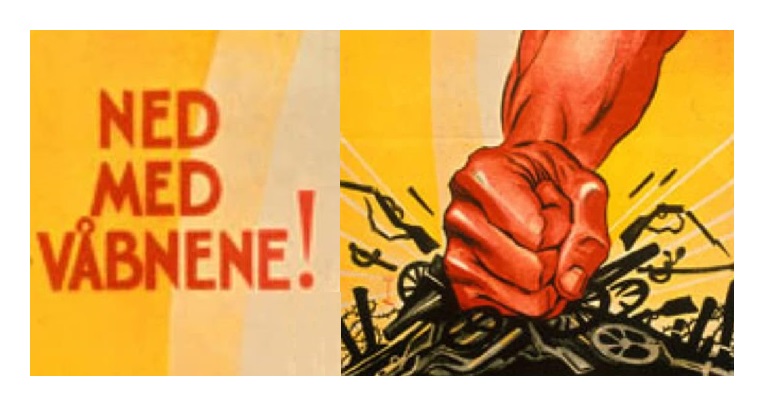
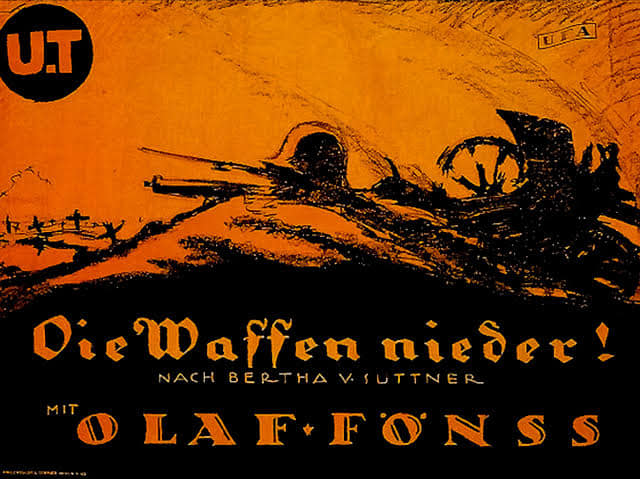
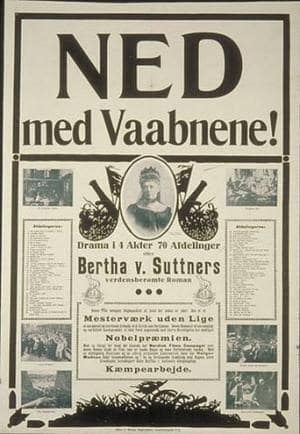
무기를 내려놓으라! : Down with Weapons
감독) 홀게르 마센 / 원작) 베르타 폰 주트너 / 1915년작
주인공이자 화자인 마르타 알트하우스는 오스트리아의 부유한 귀족 집안의 장녀로서, 퇴역한 장군인 아버지 아래서 전쟁을 숭배하는 숙녀로 자란다. 마르타는 스무 살에 군인인 첫 번째 남편 아르노 도츠키 백작과 결혼하지만, 1859년 오스트리아-이탈리아 전쟁에서 남편이 전사하고 만다.
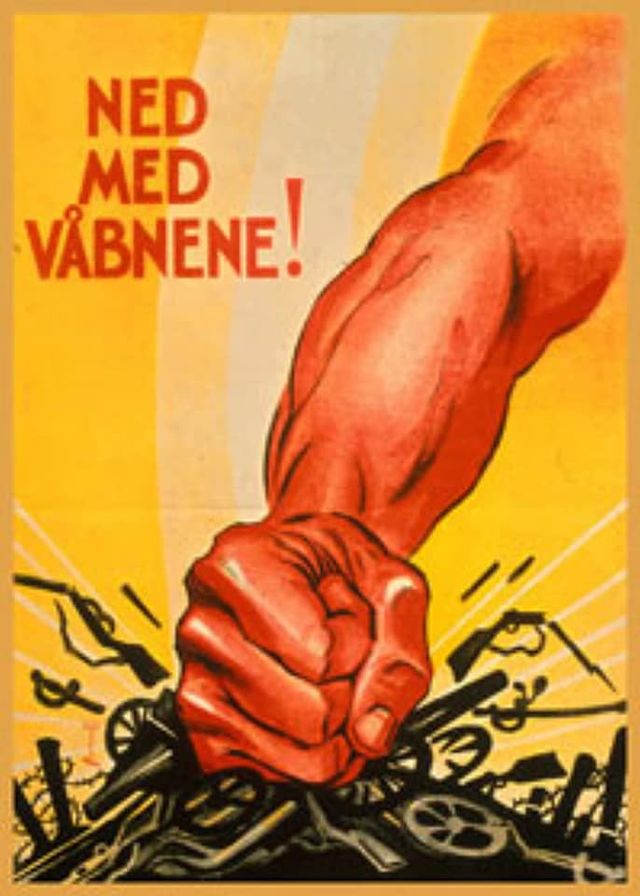
미망인이 된 마르타는 빈의 사교계를 떠나 은둔해 지내면서 폭넓은 독서를 통해 전쟁의 참혹함과 공허함을 깨닫고 평화주의자로 거듭난다.
4년 뒤 사교계로 돌아온 마르타는 오스트리아 군대에 속한 군인이면서도 전쟁의 무의미함에 공감하는 프리드리히 폰 틸링 남작을 만나 재혼한다.
프리드리히는 전쟁에 반대하면서도 군인의 의무를 수행하기 위해 1864년 프로이센-덴마크 전쟁, 1866년 프로이센-오스트리아 전쟁에 참전한다. 마르타는 1866년 전쟁에서 프리드리히의 소식이 끊기자 남편을 찾아 전쟁터로 향하는데…
– 무기를 내려놓으라! : Down with Weapons
.감독: 홀게르 마센
.제작: 올레 올센
.각본: 칼 테오도르 드레이어
.원작: 베르타 폰 주트너
.개봉: 1915년 9월 18일
○ Summaries
An upperclass war widow marries again. The new husband is also an officer, and soon he has to go to the next war. At the outbreak, she’s the only one who does not cheer about it. And the terrors of war soon bring almost all of her friends and relatives, among them generals and high government officials to the same conclusion: War does not pay. — Stephan Eichenberg
Countess Martha, daughter of an old warrior, General Count Von Althaus, although she lost her first husband in battle, has married another military officer, Baron Frederick Von Tilling. They have both become to hate war and all that it means and they live in the hope that there will not be any war in the near future. But their hopes were in vain, for it was not long before a war was declared and the husband was called to arms. His wife was sick at the time and her two misfortunes together, nearly caused her death. This conflict was of short duration, however, and soon they were happily united again. The hostilities were long enough though to arouse deeper disgust for war on Tilling’s part, because of the manifold horrors he had seen on the battlefield. And Martha’s great sorrow in having her beloved husband snatched from her in the hour when she needed him most, had made her the more bitter against war.

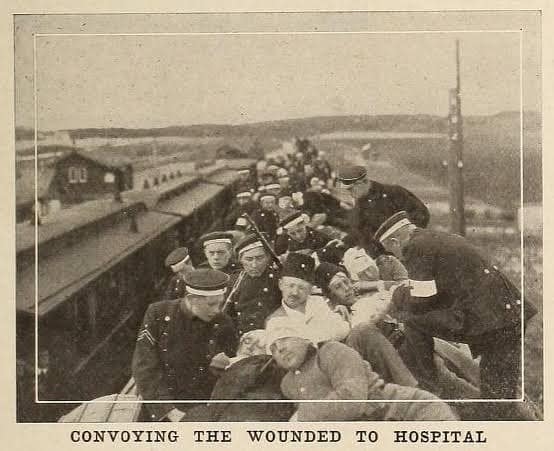
Consequently, she persuaded her husband to resign from the service but no sooner had he written his resignation, than he was compelled to change his mind. His wife received a letter from her bankers, notifying her that her fortune was lost, and as they now had only his salary on which to live, he could not resign from the service. Thus the horror of war began to make itself felt on all sides, it being one of its evil results that swept away their fortune, through the failure of their bank. The last conflict still fresh in their minds, a new war broke out, and Tilling was called again to the front This time the strife was prolonged and desperate. Tilling’s regiment was in the thick of the fray where the battles were fierce and disastrous. His regiment was finally routed, with terrific loss of life. The wounded were quartered in available places: barns, churches, railroad stations and the like. While Tilling was visiting one of these barns, it was struck with a huge shell, which destroyed the barn, killing most of its occupants and injuring Tilling as he sought to escape. He was rushed to the railroad station and sent by train to his home. Meantime, Martha, who had not heard from her husband for so long, feared that he had been wounded or killed, and started for the seat of war to search for him among the injured. She disembarked from the very train that carried her husband back to the city. She met the family physician who was at the front and, together, they visited all the field hospitals. She was horrified at the sight of so many maimed and dying men. When she failed to find her husband, she returned home and was overjoyed to find him there, alive, and his wounds not serious. Happiness now reigned supreme for this happy family. Martha’s sister, Rosa, became engaged to her cousin, Conrad Von Althaus. All had forgotten war until alas, another of its inevitable terrible effects interrupted their contentment. Cholera, which had spread from the battlefield, attacked their house. First a maid contracted it and died. Then Rosa developed the dreaded disease and died. Her aged father was grief-stricken and after her funeral he died, but before the end he renounced his belief in war and prayed for peace, as Martha and her husband pledged themselves to the same cause. — Moving Picture World synopsis
○ 원작자 : 베르타 폰 주트너 (Bertha von Suttner, 1843 ~ 1914)
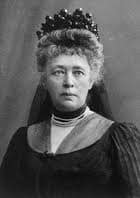
베르타 폰 주트너 (Bertha von Suttner)는 여성 최초로 노벨평화상을 수상한 오스트리아의 평화운동가이자 작가다. 1843년 보헤미아의 귀족 가문에서 태어났지만 어려운 집안 사정 때문에 가정교사와 비서로 일하기도 했다.
1875년 양가의 반대를 무릅쓰고 아르투어 폰 주트너 남작과 몰래 결혼식을 올린 후 친구가 있는 그루지야의 캅카스로 갔다. 그곳에서 9년 동안 은둔해 지내면서 신문에 단편소설과 에세이를 발표하여 차츰 문필가로 이름을 알렸다.
1885년 다시 빈으로 돌아왔고, 1889년 세계 반전문학의 대표작 『무기를 내려놓으라!』를 발표하여 유럽 전역에서 큰 반향을 일으켰다. 전운이 감돌던 시대에 평화의 이념을 힘차게 외친 이 소설의 성공으로 일약 평화운동의 대표자가 되었다.
1891년 세계평화회의에서 국제평화국 부국장으로 선출되었고, 1892년 독일평화협회를 창립했다. 1899년과 1907년에 열린 만국평화회의에 참석했으며, 1904년 미국 전역을 돌며 강연했다. 1905년 평화운동에 헌신한 공로로 노벨평화상을 받았다.
1914년 자신이 수차례 경고한 제1차 세계대전의 발발을 몇 주 앞두고 숨을 거두었다.
크리스천라이프 편집부