
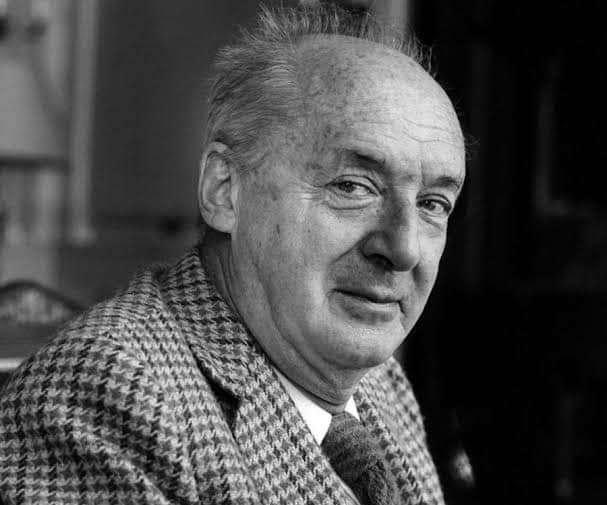
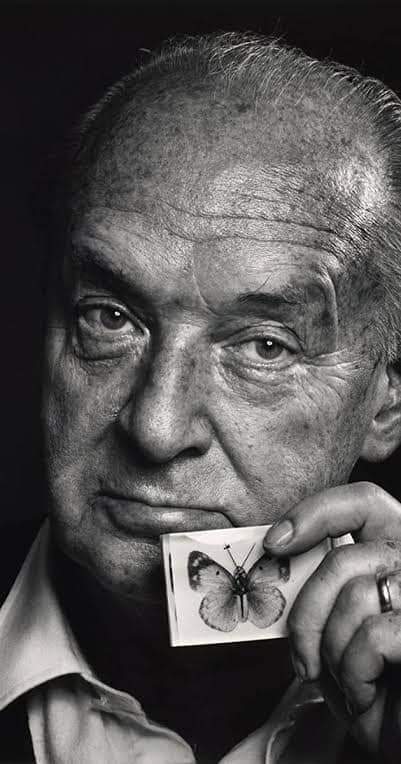
1977년 7월 2일, 러시아계 미국의 번역가•곤충학자•소설가 ‘롤리타의 작가’ 블라디미르 나보코프 (Vladimir Vladimirovich Nabokov, 1899 ~ 1977) 별세
블라디미르 블라디미로비치 나보코프((Vladimir Vladimirovich Nabokov, 러: Влади́мир Влади́мирович Набо́ков, Vladimir Vladimirovich Nabokov, 1899년 4월 22일 – 1977년 7월 2일)는 러시아 제국에서 태어난 미국의 소설가이자, 번역가, 곤충학자이며, 20세기 영문학을 대표하는 인물로 꼽힌다.
나보코프의 최초 작품들은 러시아어로 쓰였지만, 국제적 명성을 얻은 것은 영어로 쓰인 작품들이 출판된 후였다. 곤충학에도 상당한 기여를 했다.
1955년에 출판된 그의 대표작 ‘롤리타’는 20세기의 가장 중요한 소설 중 하나로도 불린다.
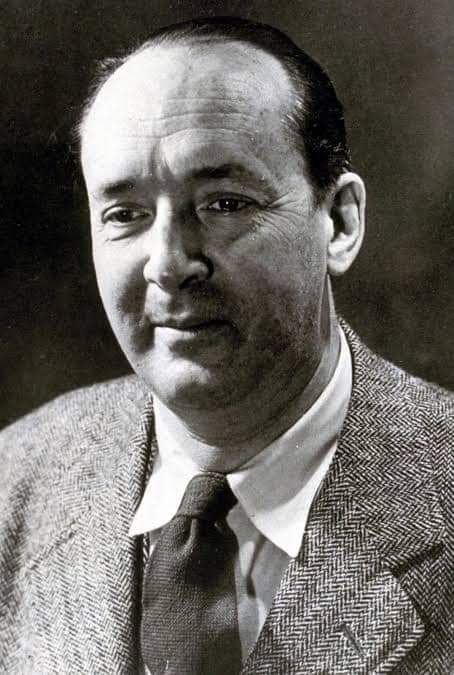
– 블라디미르 블라디미로비치 나보코프(Vladimir Vladimirovich Nabokov)
.출생: 1899년 4월 22일, 러시아 제국 상트페테르부르크
.사망 : 1977년 7월 2일 (78세), 스위스 보주 몽트뢰
.직업: 소설가, 곤충학자, 번역가
.언어: 영어, 프랑스어, 러시아어
.국적: 러시아제국 → 영국 → 프랑스 → 미국 → 스위스
.민족: 러시아인
.학력: 케임브리지 대학교 트리니티 칼리지
.사조: 모더니즘, 포스트모더니즘
.배우자: 베라 나보코프 (1925 ~ 1977)
.단편: Signs and Symbols, Mademoiselle O, Terra Incognita, Spring in Fialta, Orache 등
.주요 작품: 롤리타, 마드무아젤 O 등
블라디미르 블라디미로비치 나보코프((Vladimir Vladimirovich Nabokov, 러: Влади́мир Влади́мирович Набо́ков, Vladimir Vladimirovich Nabokov, 1899년 4월 22일 – 1977년 7월 2일)는 1899년 4월 23일 러시아의 성 페테르부르크에서 부유한 귀족 가문의 장남으로 태어났다. 어린 시절부터 나비 채집에 열중하였고 사랑에 빠져 시를 짓는 순수한 청년으로 자란 그는 많은 유산을 상속받았지만 1919년 볼셰비키 혁명으로 모든 것을 잃고 가족과 함께 독일로 망명했다. 케임브리지의 트리니티 칼리지에서 불문학과 러시아 문학을 공부한 후, 베를린과 파리에서 거주하면서 시린Sirin이라는 필명으로 글을 쓰기 시작한다. 그러나 1940년 나치를 피해 다시 미국으로 이민해야 했다. 미국으로 건너가 시인, 소설가, 비평가, 번역가로서 활동하며 웨슬리, 스탠퍼드, 코넬 그리고 하버드 대학에서 문학을 가르치다가 1955년 『롤리타』의 기념비적인 성공으로 교수직을 그만두고 글쓰기에만 전념한다.
20세기의 가장 위대한 작가 중 한 명으로 평가받는 나보코프는 자신이 쓴 영어 원작의 대부분을 스스로 러시아어로 옮겼고, 또한 자신의 러시아 원작을 영어로 옮기는 작업을 하기도 했다. 그는 2차 대전 후 미국 작가 중 가장 연구가 활발한 작가 중 한 사람으로 영어로 씌어진 단행본 연구서만 해도 약 50여 권이며 그 외 수없이 많은 학위 논문, 연구 논문, 서평 등이 나와 있다.
그의 주요 작품으로는 『세바스찬 나이트의 진짜 인생』,『롤리타』,『프닌』,『재능』,『창박한 불꽃』 등이 있으며, 1961년 스위스로 건너가 1977년 스위스에서 사망하였다.
○ 생애 및 활동
러시아 제국의 정치인 블라디미르 드미트리예비치 나보코프 (1870 ~ 1922)와 그의 아내 엘레나 사이에 장남으로 러시아 제국의 수도 상트페테르부르크 에서 태어나, 부유한 가정에서 자랐다. 가족과는 러시아어, 영어, 그리고 프랑스어를 사용해 나보코프는 어려서부터 유창하게 3개국어를 구사했다. 사실 아버지의 뜻으로 나보코프는 영어를 러시아어보다 먼저 배웠다.
1917년 2월 혁명이 시작함과 동시에 나보코프와 그의 가족은 크림 반도로 떠나 지인 소유의 사유지에서 18개월을 지냈다. 러시아의 백군이 크림 반도에서 패배한 후 그들은 러시아를 떠나 서부 유럽에서 망명생활을 시작했다. 1919년에 이민을 떠나고 잠시 영국에 거주했으며, 이때 나보코프는 케임브리지 대학교에 진학해 로망스어군와 슬라브어파를 공부했다. 1922년에는 아버지 블라디미르 드미트리예비치 나보코프가 베를린에서 암살당했다. 1923년에는 케임브리지 대학교을 졸업, 베를린으로 이사했으며, 베를린에서 러시아계 이민파 사이에 소설가 겸 시인으로 좋은 평판을 얻었다. 유대계 러시아인인 베라 슬로빈과 1925년에 결혼해, 1934년에 아들 드미트리 나보코프를 얻었다. 1940년 5월 28일에 미국 뉴욕으로 망명했다. 1961년에는 스위스의 몽트뢰로 이주하였고, 1977년에 그곳에서 사망하였다.
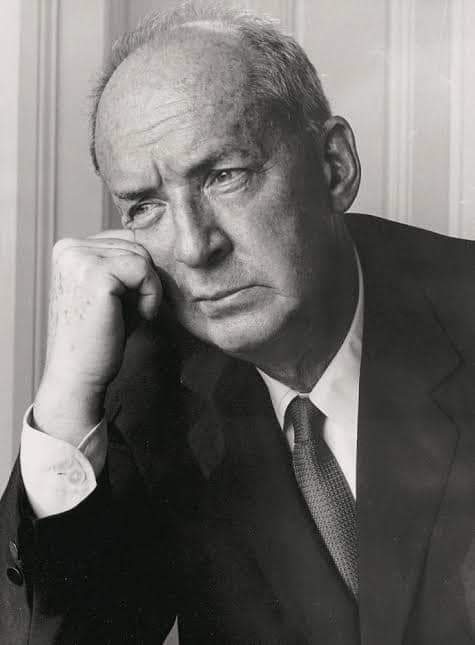
○ 작품
20세기의 가장 위대한 작가 중 한 명으로 평가받는 나보코프는 자신이 쓴 영어 원작의 대부분을 스스로 러시아어로 옮겼고, 또한 자신의 러시아 원작을 영어로 옮기는 작업을 하기도 했다.
그는 2차 대전 후 미국 작가 중 가장 연구가 활발한 작가 중 한 사람으로 영어로 씌어진 단행본 연구서만 해도 약 50여 권이며 그 외 수없이 많은 학위 논문, 연구 논문, 서평 등이 나와 있다.
그의 주요 작품으로는 『세바스찬 나이트의 진짜 인생』,『롤리타』,『프닌』,『재능』,『창박한 불꽃』 등이 있다.
– Fiction
- Novels and novellas
.Novels and novellas written in Russian
(1926) Mashen’ka (Машенька); English translation: Mary (1970)
(1928) Korol’, dama, valet (Король, дама, валет); English translation: King, Queen, Knave (1968)
(1930) Zashchita Luzhina (Защита Лужина); English translation: The Luzhin Defense or The Defense (1964) (also adapted to film, The Luzhin Defence, in 2000)
(1930) Sogliadatay (Соглядатай : The Voyeur), novella; first publication as a book 1938; English translation: The Eye (1965)
(1932) Podvig (Подвиг : Heroic Deed); English translation: Glory (1971)
(1933) Kamera Obskura (Камера Обскура); English translations: Camera Obscura (1936), Laughter in the Dark (1938)
(1934) Otchayanie (Отчаяние); English translation : Despair (1937, 1965)
(1936) Priglashenie na kazn’ (Приглашение на казнь : Invitation to an execution); English translation: Invitation to a Beheading (1959)
(1938) Dar (Дар); English translation: The Gift (1963)
(Unpublished novella, written in 1939) Volshebnik (Волшебник); English translation: The Enchanter (1985)
.Novels written in English
(1941) The Real Life of Sebastian Knight
(1947) Bend Sinister
(1955) Lolita, self-translated into Russian (1965)
(1957) Pnin
(1962) Pale Fire
(1969) Ada or Ardor: A Family Chronicle
(1972) Transparent Things
(1974) Look at the Harlequins!
(2009) The Original of Laura (fragmentary, written during the mid-1970s and published posthumously)
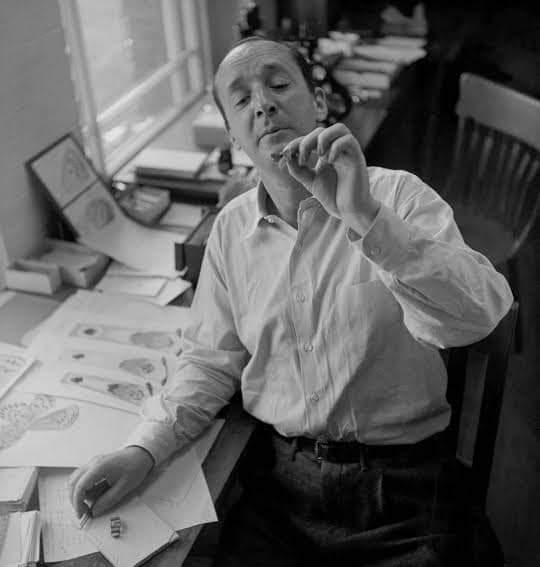
- Short story collections
(1930) Vozvrashchenie Chorba (“The Return of Chorb”). Fifteen short stories and twenty-four poems, in Russian, by “V. Sirin”.
(1938) Sogliadatai (“The Eye”). Thirteen short stories, in Russian, by “V. Sirin”.
(1947) Nine Stories
(1956) Vesna v Fial’te i drugie rasskazy (“Spring in Fialta and other stories”)
(1958) Nabokov’s Dozen: A Collection of Thirteen Stories (Also reprinted as Spring in Fialta and First Love and Other Stories.)
(1966) Nabokov’s Quartet
(1968) Nabokov’s Congeries; reprinted as The Portable Nabokov (1971)
(1973) A Russian Beauty and Other Stories
(1975) Tyrants Destroyed and Other Stories
(1976) Details of a Sunset and Other Stories
(1995) The Stories of Vladimir Nabokov (alternative title The Collected Stories) — complete collection of all short stories
- Uncollected short stories
(c. 1921) “Natasha”. The New Yorker, June 9 & 16, 2008 (incorporated into the 17th and later printings of the paperback edition of The Stories of Vladimir Nabokov)
(1923-01-07) “The Word”. The New Yorker, December 26, 2005 (incorporated into the 15th and later printings of the paperback edition of The Stories of Vladimir Nabokov)
(1926, Summer) “The Man Stopped”. Harper’s Magazine, March 1, 2015
(1948) “Colette”. The New Yorker, July 31, 1948
- Drama
(1924) The Tragedy of Mister Morn (2012): English translation of a Russian-language play written 1923–24, publicly read 1924, published in a journal 1997, independently published 2008
(1938) Izobretenie Val’sa (The Waltz Invention); English translation The Waltz Invention: A Play in Three Acts (1966)
(1974) Lolita: A Screenplay (Despite the credits given in the earlier film version, this was not used.)
(1984) The Man from the USSR and Other Plays
- Poetry
(1916) Stikhi (“Poems”). Sixty-eight poems in Russian.
(1918) Al’manakh: Dva Puti (An Almanac: Two Paths”). Twelve poems by Nabokov and eight by Andrei Balashov, in Russian.
(1922) Grozd (“The Cluster”). Thirty-six poems in Russian, by “V. Sirin”.
(1923) Gornii Put’ (“The Empyrean Path”). One hundred and twenty-eight poems in Russian, by “Vl. Sirin”.
(1929) Vozvrashchenie Chorba (“The Return of Chorb”). Fifteen short stories and twenty-four poems, in Russian, by “V. Sirin”.
(1952) Stikhotvoreniia 1929–1951 (“Poems 1929–1951”) Fifteen poems in Russian.
(1959) Poems. The contents were later incorporated within Poems and Problems.
(1969) Poems and Problems (a collection of poetry and chess problems). The contents were later incorporated within Selected Poems.
(1979) Stikhi (“Poems”). Two hundred and twenty-two poems in Russian.
(2012) Selected Poems
- Translations
.From French into Russian
(1922) Nikolka Persik Translation of Romain Rolland’s novel Colas Breugnon.
.From English into Russian
(1923) Alice’s Adventures in Wonderland (as Аня в стране чудес)
.From Russian into English
(1944) Three Russian Poets: Selections from Pushkin, Lermontov, and Tyutchev. Expanded British edition: Pushkin, Lermontov, Tyutchev: Poems (1947)
(1958) A Hero of Our Time, by Mikhail Lermontov. (Collaboration with his son Dmitri.)
(1960) The Song of Igor’s Campaign: An Epic of the Twelfth Century
(1964) Eugene Onegin, by Aleksandr Pushkin, in prose. Includes “Notes on Prosody”. Revised edition (1975).
(2008) Verses and Versions (edited by Brian Boyd and Stanislav Shvabrin), includes materials previously published in Three Russian Poets (1945) and Pushkin, Lermontov, Tyutchev (1947) as well as unpublished materials.
– Nonfiction
- Criticism
(1944) Nikolai Gogol
(1963) Notes on Prosody (Later appeared within Eugene Onegin.)
(1980) Lectures on Literature
(1980) Lectures on Ulysses. Facsimiles of Nabokov’s notes.
(1981) Lectures on Russian Literature
(1983) Lectures on Don Quixote
- Autobiographical and other
(1949) “Curtain-Raiser”. The New Yorker 24/45 (1 January 1949): 18-21.
(1951) Conclusive Evidence: A Memoir – first version of Nabokov’s autobiography. (British edition titled Speak, Memory: A Memoir)
(1954) Drugie Berega (Другие берега, “Other Shores”) – revised version of the autobiography
(1967) Speak, Memory: An Autobiography Revisited – final revised and extended edition of Conclusive Evidence. It includes information on his work as a lepidopterist.
(1973) Strong Opinions. Interviews, reviews, letters to editors.
(1979) The Nabokov–Wilson Letters Letters between Nabokov and Edmund Wilson
(1984) Perepiska s Sestroi (Переписка с Сестрой (Correspondence with the Sister)) Correspondence between Nabokov and Helene Sikorski; also includes some letters to his brother Kirill
(1987) Carrousel. Three long-forgotten short texts that had recently been rediscovered.
(1989) Selected Letters
(2001) Dear Bunny, Dear Volodya: The Nabokov–Wilson Letters, 1940–1971. A revised and augmented edition of The Nabokov–Wilson Letters.
(2014) Letters to Véra. Nabokov’s letters to Véra Slonim, beginning in 1921 and extending through their marriage.
(2017) Conversations with Vladimir Nabokov. Collection of interviews.
(2019) Think, Write, Speak: Uncollected Essays, Reviews, Interviews and Letters to the Editor. Previously uncollected Russian and English prose and interviews.
- Lepidopteral
(2000) Nabokov’s Butterflies, collected works on butterflies.
- Collected works
Boyd, Brian, ed. Vladimir Nabokov, Novels and Memoirs 1941–1951 (Library of America, 1996)
Boyd, Brian, ed. Vladimir Nabokov, Novels 1955–1962 (Library of America, 1996)
Boyd, Brian, ed. Vladimir Nabokov, Novels 1969–1974 (Library of America, 1996)
참고 = 위키백과, 교보문고
크리스천라이프 편집부