
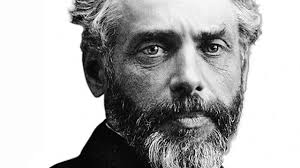
1943년 8월 21일, 덴마크의 소설가•노벨 문학상 수상자 헨리크 폰토피단 (Henrik Pontoppidan, 1857 ~ 1943) 별세
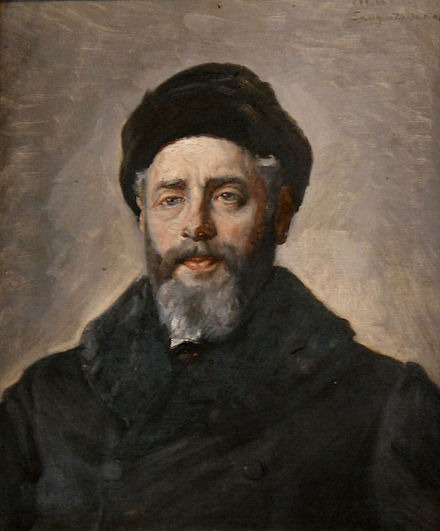
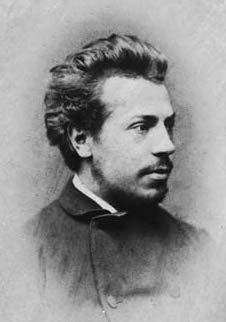
헨리크 폰토피단 (덴: Henrik Pontoppidan, 1857년 7월 24일 ~ 1943년 8월 21일)은 덴마크의 소설가이다.
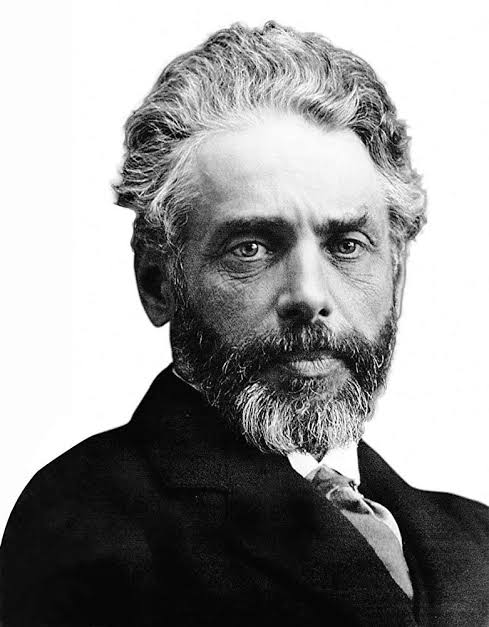
– 헨리크 폰토피단 (Henrik Pontoppidan)
.출생: 1857년 7월 24일, 덴마크 프레데리시아 (Fredericia)
.사망: 1943년 8월 21일 (86세), 덴마크 Charlottenlund
.국적: 덴마크
.직업: 작가, 소설가
.형제자매: Knud Pontoppidan, Morten Pontoppidan
.배우자: Antoinette Caroline Elise Kofoed (m. 1892–1928), Marie Hansen (m. 1881–1892)
.자녀: Steffen Broby Pontoppidan, Karen Pontoppidan, MORE
1857년 7월 24일, 덴마크 프레데리시아 (Fredericia)에서 목사의 아들로 출생한 그는 공학을 공부했으나 이를 포기하고 작가를 지망했다.
생활 때문에 초고등학교 교사가 되었으나 그곳의 그룬트비의 사상이 녹아든 환경에 불만을 느꼈으며 이때에 농민과의 교제를 위하여 농부의 딸과 결혼하게 되었으나 얼마 안 가서 이혼하고 만다.
그 후 코펜하겐의 여성과 재혼하였다.
덴마크 문학에의 최대 공헌은 <약속된 땅> (1891-95), <운좋은 페르> (1898-1904), <사자(死者)의 왕국> (1912-16) 등이며 1917년에 노벨 문학상을 받았다.
헨리크 폰토피단은 1943년 8월 21일, 덴마크 Charlottenlund에서 별세했다. 향년 86세
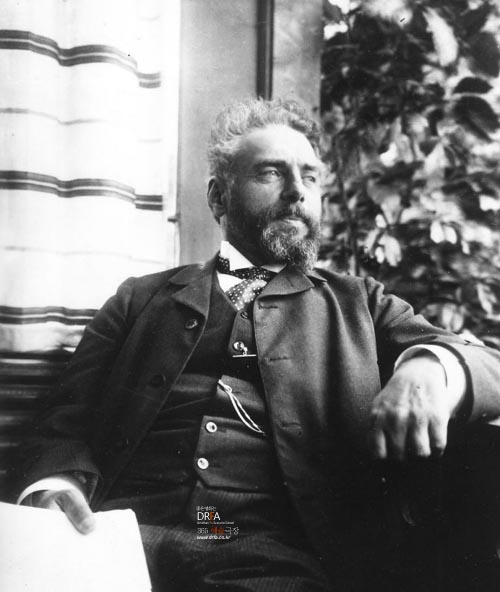
○ 작품
- Main works
The three novels which are normally considered to be Pontoppidan’s main works were written from about 1890 to 1920. In these works he established on his own terms a Danish version of the “broad description of society” novel in the tradition of Balzac and Zola. Centred on a hero he paints a picture of Denmark in the era of the Constitutional Struggle between Conservative and Liberals, rising industrialisation, cultural conflicts and awakening revolutionary movements.
Det forjættede Land (I-III 1891–95, English translation of vol. I-II The Promised Land 1896), describes a fantasist and his dream of being a preacher in the country which leads to self-deception and insanity.
The partly autobiographical Lykke-Per (1898–1904) (Lucky Per), perhaps his most famous novel, deals with the self-confident, richly gifted man who breaks with his religious family in order to be an engineer and a conqueror, free of heritage and milieu. However, at the height of his success, they at last catch up with him and he gives up his career to find himself in solitude.
The bitter De dødes Rige (1912–16, “The Realm of the Dead”) shows Denmark after the apparent victory of democracy in 1901, a society in which political ideals are mouldering, capitalism is marching on and press and art are prostituted, all centred about the hopeless love and reform plans of a young progressive squire afflicted by illness.
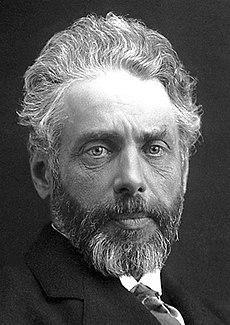
- Other works
Pontoppidan’s last large novel Mands Himmerig (1927, “Man’s Heaven”) is an almost desperate description of the crisis of a Danish intellectual at the time of the outbreak of World War I.
Pontoppidan also wrote many short novels and long tales in which he discussed political, psychological and sexual themes.
Isbjørnen (1887, “The Polar Bear”) describes the confrontation between an outspoken vicar from Greenland and his narrow-minded Danish provincial clergymen.
Mimoser (1886, Engl. transl. The Apothecary’s Daughters, 1890) is an ironic-tragic tale about the exaggerated intolerance of unfaithfulness.
Nattevagt (1894, “Night Watch”) deals with a courageous and revolutionary artist who is nevertheless a frustrated failure as a husband. Pontoppidan drew on the life of his friend the painter L. A. Ring for the portrait of the artist Thorkild Drehling, Ring considered it a betrayal of trust and broke off the friendship.
Den gamle Adam (1894, “The Old Adam”) deals with both men’s fear of women and of sexuality as a whole.
Ørneflugt (1899, “Eagles flight”) is a direct commentary on Hans Christian Andersens The Ugly Duckling with the opposite morale. An eagle brought up in a barnyard grows fat and eventually dies crashlanding into a dungpile – the morale being that you may very well have been born in an eagle’s egg but that won’t matter if you’re brought up in a barnyard.
“Borgmester Hoeck og Hustru” (1905, Engl. transl. Burgomaster Hoeck and His Wife, 1999) portrays a tragic marriage dominated by the husband’s jealousy and dislike of his wife’s joy in life.
A central theme in most of these tales is the difficulties of handling the new tolerance, open-mindedness and democratisation which are introduced by both the transition of society and by literature. Another theme is the conflict between the introverted and closed male nature and the vitality of the woman. Behind all this lies the classic naturalist theme of heritage and milieu against which man has to rebel without quite denying their existence. In his later works he sometimes seems to become a mixture of a castigator of society and a prophet of doom.
Between 1933 and 1943 Pontoppidan wrote two different versions of his Memoirs, in which he tried to define his own view of his personal development. Though handicapped by blindness and deafness in later life, he continued to take an interest in politics and cultural life until his final years.
- Trivia
Pontoppidan originally studied at the Polyteknisk Læreanstalt (today the Technical University of Denmark) to become a civil engineer. When in 1876 another student at Polyteknisk Læreanstalt was preferred to Pontoppidan to participate in the Greenland Expedition, Pontopiddan was devastated and quit his studies shortly before the final exam in disappointment. It has been said that due to the failure to be selected for the Greenland Expedition that he hoped would make him famous, Pontoppidan became – famous. The other student selected instead of Pontoppidan died during the expedition.
Pontoppidan’s brother’s daughter-in-law was the famous Danish actress Clara Pontoppidan (IMDB).
Pontoppidan’s brother, Knud Pontoppidan was a famous psychiatrist and doctor.
Pontoppidan was related through his family with the famous pietistic priest Erik Pontoppidan
Pontoppidan is buried in his family’s grave site in the cemetery of Rørvig Kirke.
The name Pontoppidan is latinisation of the Danish surname Broby, literally translated into Bridge (by the) City, or in Latin, Pons Oppidum. Henrik Pontoppidan mocked this practice, which had taken place in the 17th century, as “the bad idea from educated people’s custom, to decorate their good Danish name with a Latin Adrienne,” (a female dress worn at the time for dances) “a ridiculous Peacockish plumage”.
- English translations
Emanuel, or Children of the Soil, (Novel), J. M. Dent, London, 1896. from Archive.org
Lucky Per, (Novel), translated by Naomi Lebowitz, Peter Lang, 2010.
The Apothecary’s Daughters, (Novel), The British Library, 2010.
A Fortunate Man, (Lykke Per, Novel), translated by Paul Larkin, University of Chicago Press, 2018
참고 = 위키백과
크리스천라이프 편집부