
Clive Pearson 학장 칼럼
Making connections
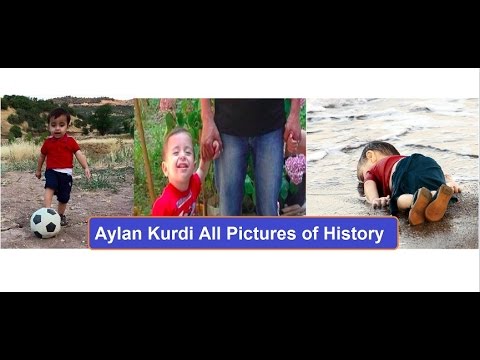
 Over the last week one image has gripped the public mind. That image is the image of AylanKurdi, the 3 year old Syrian boy found washed up on a Turkish beach. It is a story which has swept around the world; the photograph of the lost boy has been seen many times in newspapers and other media outlets in both Korea and Australia. We have heard from the father of his grief; we have heard from his aunt in Vancouver, Canada, who is blaming herself for having sent money which could pay the ‘people smugglers’. And we have seen how thousands of people have been asking their governments to accept more refugees. This one image has had a much more powerful effect than the nightly coverage of refugees seeking safety in Europe and the repetitive list of statistics saying how many people have been lost – or maybe made it to safety.
Worldwide, and through time, there have been recurring refugee crises. They are not confined to one region of the world. They happen in Asia, Africa, and Latin America as well. It is not difficult to find the causes: war, civil war, programmes of ethnic cleansing, natural disasters – and, in some cases, religious persecution. Sometimes it takes a face, the body, of an innocent victim, to bring home or remind us of the horror of what is happening. It seems as if the image of a child, a tiny child, Alan Kurdi has broken through the web of statistics.
For men and women of the Christian faith the plight of refugees is an issue of critical significance. The Hebrew Bible repeatedly reminded the people of Israel of the importance of caring for the stranger, the orphan and the widow. Those three categories represented the most vulnerable peoples in the ancient world. There was a sense in which the Hebrew people were being invited to be hospitable and a care-taking society. It was, we might say, a duty of faith for this call of concern was tied to the way in which they were to live out their covenanted relationship with God.
It is highly like that the Korean culture has traditions of care to do with the most vulnerable as well. It would be interesting to reflect on those and how they sit with this tradition from the Hebrew Bible which is carried on into Christian experience. It is a tragedy of history that so often in time gone by the Christian faith was exported out of Europe in ways which were closely intermingled with trade, the pursuit of wealth, and imperial rule. It is a tragedy because that way of making the Christian faith known does not sit well with much of Jesus’ own teaching and experience.
The plight of little Aylan reminds us of how the infant Jesus himself was a refugee. That is part and parcel of Matthew’s Christmas story. Following his birth Mary and Joseph take him into the relative safety of Egypt and well away from Herod’s desire for him to be killed. Throughout the gospels Jesus teaching is one which draws alongside those on the margins, on the edges of respectable society and the most vulnerable. His is a world where his homeland is occupied by a foreign power – in this case, Rome –which has considerable financial and military might. His own culture is a society with strict laws concerning purity and one where the individual can be easily put to shame.
Through the parable of the Good Samaritan Jesus crosses boundaries. The people of Israel had a deep suspicion of the Samaritans – and, yet the Samaritan is placed alongside the law-abiding priest who does nothing to help or assist. Elsewhere in Matthew, Jesus will talk about how giving a drink of water to the least, is a way of receiving Christ himself.
Faced with images like Aylan can leave us feeling powerless. There does not seem to be too much that we can do. And yet over the last week we have seen thousands of ordinary people signing petitions, putting pressure on governments to do more to help the fleeing refugees. Sometimes the most powerful thing we can do is to create a way of the heart which builds up a public awareness of concern and a desire to be welcoming. It seems as if that image of Aylan can remind us of those biblical traditions – and Jesus’ own teaching – which call us to care for and protect the most vulnerable.
Clive Pearson(United Theological College 학장)
Cambridge University(Ph.D)
[번역문]
연결점을 만듦
지난 주 하나의 이미지가 대중의 마음을 사로잡았습니다. 그 이미지는 터어키의 해변에 떠밀려온 세 살 된 시리아 소년, 아이란 쿠르디의 이미지입니다. 이 이야기는 세상을 휩쓸었습니다; 죽은 소년의 사진은 한국이나 호주에서 신문이나 다른 언론 매체에서 여러 번 보도되었습니다. 그 아버지가 애통하는 것을 들었고; 캐나다, 뱅쿠버에 사는 그의 숙모가 ‘인신 밀매’에 지불할 돈을 보내준 자신을 한탄하는 이야기도 들었습니다. 그리고 우리는 수 천명의 사람들이 자신들의 정부에게 좀 더 많은 난민을 받아들이도록 어떻게 간청했는지 보았습니다. 이 하나의 이미지는 매일 밤 보도되는 유럽의 안전한 곳을 찾는 난민들과 어떻게 많은 사람들이 죽어가고 있고 – 혹은 안전한 곳으로 도달했는지 말하는 반복적인 통계표보다 더 강력한 충격을 주었습니다.
세계적으로, 오랫동안, 반복적으로 들려오는 난만들의 부르짖음이 있어 왔습니다. 그것은 세상의 한 지역에 국한되는 것이 아닙니다. 아시아, 아프리카와 라틴 아메리카에서도 일어납니다. 그 이유는; 전쟁, 내전, 민족 학살의 프로그램, 자연재해 – 그리고 어떤 경우에는 종교적인 박해로 그 이유를 찾는 것이 어려운 일이 아닙니다. 때로는 고국으로 돌아오는 무구한 희생자의 얼굴, 시신이 우리에게 무슨 일이 일어나고 있는지에 대한 공포를 상기시킵니다. 이 작은 아이, 아란 쿠르디의 이미지가 거미줄 같은 통계망을 뚫고 나온 것처럼 보입니다.
기독교 신앙을 가진 모두에게 난민의 역경은 심각하게 중요한 문제가 됩니다. 히브류 성경은 이스라엘 백성에게 반복적으로 낯선 이, 고아와 과부를 돌보는 것에 대한 중요성을 상기했습니다. 고대 사회에서는 이러한 세 부류의 사람들이 가장 취약한 사람들로 표징되었습니다. 히브류 백성들이 환대적이고 돌보는 사회가 되도록 부르심을 받는 의미가 있습니다. 이러한 우려에 대한 신앙의 의무는 그들이 하나님과의 언약적 관계를 살아가는 방식에 연결되어 있다고 말할 수 있습니다.
한국의 문화 역시 가장 연약한 사람들을 돌보는 전통을 높이 가지고 있을 것입니다. 이러한 점들을 반성하고 또한 이것들이 기독교적 경험으로 실행되고 있는 히브류 성경에서부터 오는 이러한 전통에서 어떻게 자리하는가는 흥미로운 일이 될 것입니다. 지난 시절에 유럽에서 무역, 부의 추구와 제국적인 통치와 가깝게 섞어진 방식으로 기독교 신앙이 전해진 것은 역사의 비극입니다. 기독교 신앙이 알려지게 된 방식이 많은 예수님 자신의 가르침과 경험과 함께 잘 자리하지 않았기 때문에 비극인 것입니다.
어린 아이란의 역경은 우리로 하여금 어떻게 아기 예수 자신이 난민이었는지 상기시킵니다. 그것은 마태복음의 크리스마스 이야기의 본질입니다. 그의 출생후 마리와 요셉은 비교적 안전한 이집트로 데려가서 죽이려는 헤롯의 손길에서 멀어져 갑니다. 복음서 전반에 걸쳐서 예수의 가르침은 점잖은 사회의 저변에서 가장 취약한 주변에 있는 사람들과 함께 그려지는 것입니다. 그의 세계는 고국이 외세 – 이 경우에는 로마로서 매우 강력한 재정적 군사적 힘으로 점령된 세계입니다. 그 자신의 문화는 개인이 쉽사리 수치에 처해지는 엄격한 정결법이 있는 사회입니다.
선한 사마리안의 비유를 통해서 예수께서는 경계선을 넘습니다. 이스라엘 백성은 사마리아 사람들에 대한 깊은 의구심을 가지고 있는데 – 그럼에도 사마리안인을 율법에 거하면서 아무것도 돕거나 조력하지 않는 제사장과 함께 둡니다. 마태 복음 어딘가에서는, 예수께서 어떻게 소자에게 물 한잔을 주는 것이 그리스도 자신을 받아들이는 것인가에 관해 말씀하실 것입니다.
아이란과 같은 이미지를 대면하는 것은 우리로 하여금 무기력한 느낌을 남길 수 있습니다. 우리가 할 수 있는 일이 별로 없는 것처럼 보입니다. 그럼에도 지난주에는 좀 더 많은 난민들을 도울 수 있도록 청원서에 사인을 하고 정부에 압력을 가하는 수 많은 평범한 사람들을 볼 수 있었습니다. 때로는 우리가 할 수 있는 가장 강력한 일은 우려에 대한 공적 의식과 환영하고자 하는 바람을 고취하는 마음의 방식을 만드는 것입니다. 아이란의 그 같은 이미지는 우리에게 가장 연약한 자를 돌보고 보호하도록 부르시는 성경전통과 예수 자신의 가르침을 상기시키는 것처럼 보입니다.
번역 김무순 전도사