with Rev Dr Chris Walker
National Conferences in the Uniting Church in Australia
2014 Multicultural Cross-cultural National Conferences
The Uniting Church declared itself to be a multicultural church at its national Assembly in 1985. It was a recognition of the changing nature of the Uniting Church and an affirmation of what it wanted to become. Since that time an increasing number of congregations made up of people from various cultural backgrounds have become an important component of the Uniting Church. Many are predominantly mono-cultural with Koreans and Tongans forming the largest groups. Others include Chinese, Indonesian, Filipino, Fijian, Samoan, Niuean, Vietnamese, Tamil and South Sudanese. Most congregations have people from more than one culture. Then there are the indigenous groups. The Uniting Aboriginal and islander Christian Congress is a vital part of the Uniting Church. The Uniting Church worships in over 40 languages including a dozen indigenous ones.
Recently there was a conference in Sydney of the chairpersons of the various National Conferences along with other people involved in multicultural and cross cultural ministry. I was privileged to be one of them. We heard from the different groups and had the opportunity to consider together how best to move ahead. Challenges and opportunities facing one group were usually found to be common among other groups also. For example many are concerned about the next generations both in terms of family life and church involvement. Property issues have been an issue for a long time as new groups want to be more than just tenants. Communication in the Uniting Church when English is a second language for many was commented on. Translation is important as is taking into account that it is harder for some to catch what is going on and being said.
As part of the gathering we met with Rob Floyd, the new national director of UnitingWorld, as it is the agency that connects with partner churches for the Uniting Church. There was a useful discussion on connections with the home country and church and those who now are part of Australian society. We also had an extended conversation on the Marriage discussion paper that the Uniting Church is currently considering. It is a theological commentary on the Marriage Service and also raises contemporary issues in relation to marriage, especially the issue of same gender marriage. Responses to the paper are being gathered. A report will then be written and considered by the Assembly Standing Committee. Comment was made that this discussion needs to be given sufficient time particularly in ethnic communities where such matters are not readily discussed.
National conferences were established to enable the different ethnic groups to meet together and discuss matters in their own language. As indicated above there are now about a dozen such groups. The largest gathering is the Tongan national conference which has been held for a number of years. I have had the privilege of attending some of them. This year over 1,000 Tongans of all ages came to the Merroo Christian Centre at Kurrajong over the long weekend in June. Other conferences are much smaller and consist of key leaders rather than be a large gathering. The Koreans have their own presbytery in the NSW/ACT Synod. They also have a national conference. I met the new chairperson and secretary, Rev Paul Cho who is minister to a Korean congregation on the Gold Coast and Rev David Won Kim who is in a Korean congregation in Brisbane.
It is worth noting that the pattern of migration to Australia has greatly influenced the development of the churches in Australia. In the 19th century with the coming of Anglo-Celtic people the church essetupre flected where people came from. Hence English people tended to be Church of England, Irish people were mostly Roman Catholic, Scots were Presbyterian, and Methodists had many Welsh and English. They became somewhat more mixed with the passage of time and intermarriage. After the Second World War with migrants coming from Europe and the Middle East there was an influx of non-Irish Catholics and different forms of Orthodox churches were established.
Migrant ethnic people typically appreciate coming together for worship and fellowship to share in their own language and culture. The next generations have to deal with two cultures and their first language is English having grown up in Australia. They relate readily to people from various ethnicities as the bonds are based more on age and interest than race and culture. They necessarily relate to their parents who communicate best in their heart language and still tend to look to their country of origin as their homeland. The differences between the generations is compounded by these cultural and language differences.
It is also the case that many people from different ethnic backgrounds are involved in their churches and are candidating for ministry. At present approximately half the candidates across the nation in Uniting Church theological colleges come from non-Anglo backgrounds. On completing their course of study and preparation for ministry, many will serve in ministries that may or may not involve people from their own cultural background. Their passion for the Christian faith and pastoral activity mean they are effective in ministry.
The National Conferences have become an important way the different groups gather and share their common interests and concerns. This gathering highlighted that many issues are similar and that one cultural group can learn from others. At the Tongan national conference for example next generations are not only encouraged to attend but to participate and take leadership. This has been an effective way of both incorporating them into the life of the Conference and also provides opportunities to develop and exercise leadership.
There is no official place in the Uniting Church’s polity for National Conferences, yet they have become an important feature of the life of the Uniting Church. It is important that they are recognised and utilized for the benefit of both those involved directly and for the Uniting Church as a whole as it becomes increasingly multicultural – reflecting God’s multicultural kingdom (Revelation 7:9).
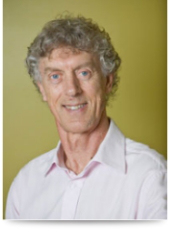
Chris Walker
(National Consultant Christian Unity, Doctrine & Worship)
호주 연합교회 전국 대회
2014 다문화·교류 전국 대회
연합교회는 1985년 전국 총회에서 스스로를 다문화 교회라고 선언했습니다. 이는 연합교회의 변화하는 본질을 인식하고 앞으로 나아가고자 하는 방향을 재확인한 것이었습니다. 그 이후로 다양한 문화적 배경을 가진 사람들로 구성된 교회들이 연합교회의 중요한 구성 요소가 되었습니다. 많은 교회들이 한국인과 통가인으로 구성된 단일 문화권 교회들이 주를 이루지만, 중국인, 인도네시아인, 필리핀인, 피지인, 사모아인, 니우에인, 베트남인, 타밀인, 남수단인 등 다양한 문화권 출신의 교인들도 있습니다. 대부분의 교회는 두 가지 이상의 문화권 출신 교인들로 이루어져 있습니다. 또한 원주민 그룹도 있습니다. 연합 원주민 및 섬 주민 기독교 대회는 연합교회의 중요한 부분입니다. 연합교회는 12개의 원주민 언어를 포함하여 40개 이상의 언어로 예배를 드립니다.
최근 시드니에서 여러 국가 회의 의장들과 다문화 및 국제 사역에 참여하는 분들이 참석하는 회의가 열렸습니다. 저도 그 자리에 함께할 수 있는 영광을 누렸습니다. 우리는 각 그룹의 의견을 듣고 앞으로 나아갈 최선의 방법을 함께 고민하는 시간을 가졌습니다. 한 그룹이 직면한 어려움과 기회는 다른 그룹에서도 공통적으로 나타나는 경우가 많았습니다. 예를 들어, 많은 분들이 가정생활과 교회 참여 측면에서 다음 세대에 대한 우려를 표했습니다. 새로운 세대가 단순히 세입자가 아닌 자립을 원함에 따라 부동산 문제는 오랫동안 논의되어 온 주제였습니다. 영어가 제2외국어인 사람들이 많은 상황에서 연합교회 내 소통에 대한 논의도 있었습니다. 통역은 매우 중요하며, 일부 사람들이 대화 내용을 이해하기 어려워한다는 점을 고려해야 합니다.
이번 모임에서는 연합교회의 협력 교회들을 연결하는 기관인 유나이팅월드의 신임 전국 책임자인 롭 플로이드 씨를 만났습니다. 모국과 교회, 그리고 현재 호주 사회의 일원인 사람들과의 연결에 대한 유익한 논의도 있었습니다. 우리는 연합교회가 현재 검토 중인 결혼 관련 논의 문서에 대해서도 심도 있는 대화를 나누었습니다. 이 문서는 혼인 예식에 대한 신학적 해설이며, 특히 동성 결혼 문제를 비롯한 현대 사회의 결혼 관련 쟁점들을 제기하고 있습니다. 현재 이 문서에 대한 의견들을 수렴 중이며, 이후 보고서가 작성되어 총회 상임위원회에서 검토될 예정입니다. 특히 이러한 문제에 대한 논의가 쉽지 않은 소수 민족 공동체에서는 충분한 시간을 갖고 논의해야 한다는 의견이 제시되었습니다.
각기 다른 소수 민족들이 한자리에 모여 모국어로 문제를 논의할 수 있도록 전국 회의가 설립되었습니다. 앞서 언급했듯이 현재 약 12개의 전국 회의가 운영되고 있습니다. 가장 큰 규모의 회의는 수년간 개최되어 온 통가 전국 회의입니다. 저 또한 몇 차례 참석할 기회를 가졌습니다. 올해 6월 연휴 기간 동안 1,000명이 넘는 통가인들이 커라종에 있는 메루 기독교 센터에 모였습니다. 다른 회의들은 규모가 훨씬 작고, 주요 지도자들이 참석하는 형태입니다. 한국인들은 뉴사우스웨일스/호주 수도 특별구 교구에 자체 노회를 두고 있으며, 전국 회의도 개최합니다. 저는 골드코스트에 있는 한국인 교회에서 사역하는 조 폴 목사와 브리즈번에 있는 한국인 교회에서 사역하는 김 데이비드 원 목사, 이렇게 두 분의 새 노회 의장과 서기를 만났습니다.
호주로의 이민 패턴이 호주 교회의 발전에 큰 영향을 미쳤다는 점은 주목할 만합니다. 19세기에 앵글로-켈트족이 이주해 오면서 교회의 형태는 출신 지역을 반영하게 되었습니다. 영국인들은 주로 영국 국교회에, 아일랜드인들은 대부분 로마 가톨릭에, 스코틀랜드인들은 장로교에, 그리고 웨일스와 영국 출신이 많은 감리교에는 주로 영국인들이 속했습니다. 시간이 흐르고 혼인이 늘어나면서 이러한 교파들은 점차 혼합되었습니다. 제2차 세계 대전 이후 유럽과 중동에서 온 이민자들로 인해 아일랜드 출신이 아닌 가톨릭 신자들이 대거 유입되었고, 다양한 형태의 정교회가 설립되었습니다.
이주민들은 일반적으로 예배와 교제를 통해 자신들의 언어와 문화를 나누는 것을 소중히 여깁니다. 다음 세대는 두 가지 문화 속에서 살아가야 하며, 호주에서 자라면서 영어가 모국어가 됩니다. 그들은 인종이나 문화보다는 나이와 관심사를 바탕으로 다양한 민족 출신의 사람들과 쉽게 어울립니다. 또한, 부모 세대는 모국어로 가장 잘 소통하기 때문에 부모 세대와 관계를 맺는 경향이 있으며, 여전히 모국을 고향으로 여기는 마음이 강합니다. 이러한 문화적, 언어적 차이로 인해 세대 간 차이가 더욱 심화됩니다.
또한 다양한 민족적 배경을 가진 많은 사람들이 교회 활동에 참여하고 있으며, 목회자가 되기 위해 지원하고 있습니다. 현재 전국 연합교회 신학대학원 지원자의 약 절반이 비앵글로계 출신입니다. 이들은 학업을 마치고 목회 준비를 마친 후, 자신의 문화적 배경과 다른 사람들과 함께 사역할 수도 있고 그렇지 않을 수도 있는 다양한 사역에 참여하게 됩니다. 기독교 신앙과 목회 활동에 대한 그들의 열정은 효과적인 사역으로 이어집니다.
전국 대회는 다양한 그룹들이 모여 공통의 관심사와 고민을 나누는 중요한 장이 되었습니다. 이러한 모임을 통해 많은 문제들이 유사하며, 서로 다른 문화권에서 배울 점이 많다는 것을 알 수 있었습니다. 예를 들어 통가 전국 대회에서는 차세대들이 단순히 참석하는 것을 넘어 적극적으로 참여하고 리더십을 발휘하도록 장려합니다. 이는 차세대들을 대회 활동에 통합하는 효과적인 방법일 뿐만 아니라, 그들에게 리더십을 개발하고 발휘할 기회를 제공합니다.
연합교회의 공식적인 정치 체제에는 전국 대회에 대한 규정이 없지만, 전국 대회는 연합교회 생활에서 중요한 부분으로 자리 잡았습니다. 전국 대회는 직접 참여하는 사람들과 점점 더 다문화적으로 변해가는 연합교회 전체에 유익이 되므로, 그 중요성을 인식하고 활용하는 것이 중요합니다. 이는 하나님의 다문화 왕국(요한계시록 7:9)을 반영하는 것입니다.
번역 = 크리스천라이프 편집부