
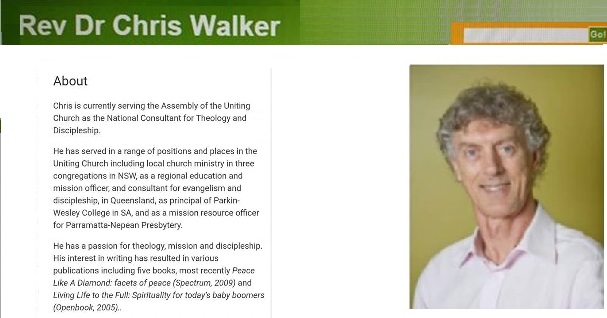
with Rev Dr Chris Walker
Where is God in Ukraine?
We have watched appalled as Russia has invaded Ukraine. They have sent missiles from the air and tanks rolled in on the ground. It has been unprovoked and ruthless with not just military installations targeted but even a maternity hospital and residential areas. Nuclear power plants were deliberately hit despite the risk of a major catastrophe. The goal has been to intimidate and bring the Ukrainians to surrender. This has not happened as the resistance has been strong despite Russia having superior power. Thousands of Ukrainians have been forced to flee their homes and become refugees. It is easy to feel overwhelmed and powerless. Where is God in all this suffering in Ukraine?
From a theological perspective, the first thing to note is that God is the Creator who will finally redeem God’s creation. However, God has given the world a relative independence such that God does not control every event. In particular God granted humans freedom, real freedom even to go against God’s will. God respects the freedom God gave, even when evil people cause great suffering. Putin has shown himself to be the worst autocrat in Russia since Stalin. Internally he has sent many opponents to prison or worse. The opposition leader Alexi Navalny was poisoned then jailed as soon as he returned to Russia. Externally Putin has involved Russia in wars, such as to take over Crimea and support President Assad in the Syrian civil war despite his disregard for his own people, and now to invade Ukraine.
God, therefore is not the cause of Russia’s callous war against Ukraine. God allows it, just as God allows catastrophic weather events. If God is not the direct cause and allows terrible things to happen due to human evil or increased by human sin, is God totally passive? Does God just watch from afar even if with sympathy?
The God revealed by Jesus is not passive but it is a mistake to expect God to intervene when human suffering will occur and prevent it from happening. That would take away human freedom. God took the risk of humans misusing their freedom when God granted it. However, God does not just leave us to face the consequences. Nor does God just wait to judge people after death for what they have done.
How then does God act? God has intervened in the sense that God sent prophets and finally his Son Jesus Christ to warn us and show us the ways of God. If we heeded these, we would avoid much suffering and the negative consequences of human self-assertion and self-aggrandisement. Unfortunately, mostly the prophets were not listened to nor is Jesus taken as seriously as he should be. People continue to hold to their own assertive ways rather than being willing to humble themselves and look to God and God’s ways.
Nevertheless, God’s Spirit is at work in the world. God’s Spirit may not be obvious but is seeking to move people and the world towards renewal and reconciliation. Where there is compassion towards those in need, where there are efforts for justice and peace, where people do look to the greater good, God is subtly at work. For God acts in conjunction with humans so as to respect their freedom.
We are in the season of Lent. We are reminded of what Jesus went through as he headed to Jerusalem where he would confront the leaders of the nation, be arrested and crucified. Lent concludes on Holy Saturday prior to the resurrection on Easter Sunday morning. Jesus lamented over Jerusalem. He said: “Jerusalem, Jerusalem, the city that kills the prophets and stones those who are sent to it! How often have I desired to gather your children together as a hen gathers her brood under her wings, but you were not willing!” (Luke 13:34).
God was willing to allow his Son Jesus to be killed in the harshest way at the hands of sinful people both Jewish and Roman, his own people and the dominating Roman Empire. In doing so God identified with human suffering. Jesus died taking our sins upon himself. God dealt with human evil and sin not by overpowering it in a military way but by absorbing it in God’s self through Jesus. In this way the usual sequence of violence and counter violence, of suffering and then inflicting suffering on others was broken. The cycle of retaliation does not have to repeat itself endlessly. New beginnings were opened up by forgiveness and the possibility of reconciliation. However, people do have to respond to God, to the leading of God’s Spirit. Human freedom is still respected. But God offers a way to a better future. God is working to redeem and renew.
Jesus gave us the challenging teachings, “Love your enemies, do good to those who hate you, bless those who curse you, pray for those who abuse you” (Luke 6:27-28). “Your reward will be great, and you will be children of the Most High; for he is kind to the ungrateful and the wicked. Be merciful, just as your Father is merciful” (Luke 6:36). These words are hard to practice and many think they are unrealistic. Yet they are the way to a reconciled and peaceful future.
Rev Vladimir Korotkov had a Ukrainian mother and a Russian father. In a very personal sermon, he spoke about the war in Ukraine with great concern.
“In witnessing the ongoing story, on our 24-hour news exposure, I have wept, been deeply angered, despaired, faced the gray space of numbness, felt powerless, and nothingness! This experience has thrown me into my wilderness experience. I am tempted to hate! To despair! To succumb to powerlessness. To give up on democracy! To give up on diplomacy and faith in the fragile world order! To ask, Jesus where are you in this? Where is God in this? I am tempted to give up my faith in humanity, in God, in life, and even in myself.”
However, he concluded by saying the following.
“It came to me so deeply, that we always have the promise of the presence of God. As in the teaching on the Sermon on the Plain in Luke: Blessed are the poor; when we are poor, in desperate situations we are loved and cared for by God; and even if the invaders, the torturers, the bullies do their awful “thing”, they are judged and we will do the right thing and love the enemy in a way to demand equality and justice, keeping our love alive. As Jesus enters his wilderness experience, the Spirit of God is with him; and he still has to address his wilderness, his use of power.
We are called to keep, and learn, to build relationships even with the enemy, not to create rock-hard opposition. We are a humanity together, yes, even in our differences. At the moment there is an unbridgeable gap between the Ukraine and Russia, between the West and Russia. Yet, we are to seek to create equality and power sharing! And we need God’s presence with us to guide and sustain us on this challenging journey.”
Chris Walker
http://revdrchriswalker.wordpress.com/
Chris is currently serving the Assembly of the Uniting Church as the National Consultant for Theology and Discipleship.
He has served in a range of positions and places in the Uniting Church including local church ministry in three congregations in NSW, as a regional education and mission officer, and consultant for evangelism and discipleship, in Queensland, as principal of Parkin-Wesley College in SA, and as a mission resource officer for Parramatta-Nepean Presbytery.
He has a passion for theology, mission and discipleship. His interest in writing has resulted in various publications including five books, most recently Peace Like A Diamond: facets of peace (Spectrum, 2009) and Living Life to the Full: Spirituality for today’s baby boomers (Openbook, 2005).
우크라이나에서 하나님은 어디에 계십니까?
러시아가 우크라이나를 침공하는 것에 우리는 경악했다. 그들은 공중에서 미사일을 쏘고 지상에 탱크를 보냈다. 군사 시설뿐만 아니라 산부인과 병원과 주거 지역까지 무자비하게 행동했다. 원자력 발전소는 중대한 재앙의 위험에도 불구하고 의도적으로 타격을 입혔다. 목표는 협박하고 우크라이나인을 항복시키는 것이었다. 러시아가 우세한 힘을 가지고 있음에도 저항이 강했기 때문에 이것(항복)은 일어나지 않았다. 수천 명의 우크라이나인들이 강제로 집을 떠나 난민이 되었다. 압도되고 무력감을 느끼기 쉽다. 우크라이나의 이 모든 고통 속에 하나님은 어디에 계신가?
신학적 관점에서 가장 먼저 주목해야 할 점은 하나님은 창조주이시며 궁극적으로 하나님의 피조물을 구속하신다는 것이다. 그러나 하나님은 모든 사건을 주관하지 않으시고 상대적인 독립성을 세상에 주셨다. 특히 하나님께서는 인간에게 자유, 하나님의 뜻에 어긋나는 것조차 할 수 있는 자유를 주셨다. 하나님은 악한 자가 큰 고통을 주더라도 하나님이 주신 자유를 존중한다. 푸틴은 스탈린 이후 러시아에서 최악의 독재자임을 보여주었다. 내부적으로 그는 많은 반대자들을 감옥이나 그보다 더 나쁜 곳으로 보냈다. 야당 지도자인 알렉시 나발니는 독살시도했다가 러시아로 돌아가자마자 투옥됐다. 외부적으로 푸틴은 크림 반도를 장악하고 자국민을 무시하는 시리아 내전에서 아사드 대통령을 지원하는 것과 같은 전쟁에 러시아를 연루시켜 지금은 우크라이나를 침공한다.
그러므로 하나님은 우크라이나에 대한 러시아의 냉담한 전쟁의 원인이 아니다. 하나님께서 재앙적인 기상 현상을 허락하신 것처럼 하나님도 그것을 허락하신다. 하나님이 직접적인 원인이 아니고 인간의 악이나 인간의 죄로 인해 끔찍한 일들이 일어나도록 내버려 두신다면, 하나님은 완전히 수동적인가? 신은 동정만 있고 멀리서 바라보기만 하는 걸까?
예수님이 계시하신 하나님은 수동적이지 않으나 인간의 고난이 닥칠 때 하나님이 개입하셔서 막아주실 것이라고 기대하는 것은 오산이다. 그것은 인간의 자유를 앗아가는 것이다. 하나님께서는 인간에게 자유를 허락하셨을 때 그들의 자유를 오용하는 위험을 감수하셨다. 그러나 하나님은 우리가 그 결과를 직시하도록 내버려 두지 않으신다. 또한 하나님은 사후에 사람들이 행한 일에 대해 심판하기만을 기다리지 않는다.
그러면 하나님은 어떻게 행동하시는가? 하나님은 우리에게 경고하고 하나님의 길을 보여 주시기 위해 선지자들과 마침내 그의 아들 예수 그리스도를 보내셨다는 의미에서 개입하셨다. 우리가 이러한 점에 주의를 기울인다면, 인간의 자기 주장과 자기 과시가 초래하는 많은 고통과 부정적인 결과를 피할 수 있을 것이다. 불행하게도, 대부분의 예언자들은 귀를 기울이지 않았으며 예수는 마땅히 받아야 할 만큼 진지하게 받아들이지 않았다. 사람들은 기꺼이 자신을 낮추고 하나님과 하나님의 길을 바라보기보다는 자신의 주장을 계속 고수한다.
그럼에도 불구하고 하나님의 영은 세상에 역사하고 있다. 하나님의 영은 분명하지 않을 수 있지만 사람들과 세상을 쇄신과 화해로 움직이게 하려고 노력하고 있다. 궁핍한 사람들에 대한 연민이 있고, 정의와 평화를 위한 노력이 있고, 사람들이 더 큰 선을 바라보는 곳에 하나님은 은밀하게 일하고 계신다. 신은 인간의 자유를 존중하기 위해 인간과 함께 행동하기 때문이다.
우리는 사순절기에 있다. 우리는 예수님이 예루살렘으로 가실 때 그 민족의 지도자들과 대면하고 체포되어 십자가에 못 박히실 때 겪으셨던 일을 기억한다. 사순절은 부활 주일 아침에 부활하기 전 토요일에 끝난다. 예수님은 예루살렘을 두고 한탄하셨다. 그는 이렇게 말씀하셨다. “예루살렘아 예루살렘아 선지자들을 죽이고 네게 파송된 자들을 돌로 치는 자여 암탉이 제 새끼를 날개 아래에 모음 같이 내가 너희의 자녀를 모으려 한 일이 몇 번이냐 그러나 너희가 원하지 아니하였도다” (누가복음 13:34).
하나님께서는 자신의 아들 예수가 유대인과 로마인 모두, 자신의 백성과 지배적인 로마 제국의 손에 가장 가혹한 방식으로 죽임을 당하도록 기꺼이 허락하셨다. 그렇게 함으로써 하나님은 인간의 고통을 동일시하셨다. 예수님은 우리의 죄를 지고 죽으셨다. 하나님은 인간의 악과 죄를 군사적으로 제압하심이 아니라 예수님을 통하여 하나님 자신 안에 흡수하심으로써 처리하셨다. 이런 식으로 폭력과 반대 폭력, 고통을 겪고 다른 사람들에게 고통을 가하는 일반적인 순서가 깨졌다. 보복의 악순환이 끝없이 반복될 필요는 없다. 용서와 화해의 가능성으로 새로운 시작이 열렸다. 그러나 사람은 하나님의 영의 인도하심에 따라 하나님께 응답해야 한다. 인간의 자유는 여전히 존중된다. 그러나 하나님은 더 나은 미래로 가는 길을 제시하신다. 하나님은 구속하고 새롭게 하기 위해 일하고 계신다.
예수님은 우리에게 도전적인 가르침을 주셨다. “오직 너희는 원수를 사랑하고 선대하며 3)아무 것도 바라지 말고 꾸어 주라 그리하면 너희 상이 클 것이요 또 지극히 높으신 이의 아들이 되리니 그는 은혜를 모르는 자와 악한 자에게도 인자하시니라 너희 아버지의 자비로우심 같이 너희도 자비로운 자가 되라” (눅 6:36). 이 말은 실천하기 어렵고 많은 사람들이 그것이 비현실적이라고 생각한다. 그러나 그것들은 화해하고 평화로운 미래로 가는 길이다.
Vladimir Korotkov 목사에게는 우크라이나인 어머니와 러시아인 아버지가 있었다. 매우 개인적인 설교에서 그는 우크라이나 전쟁에 대해 큰 관심을 가지고 말했다. “현재 진행 중인 이야기를 24시간 뉴스로 접하며 눈물 흘리고, 크게 분노하고, 절망하고, 무감각하고, 무력하고, 공허함의 회색 공간을 마주합니다! 이 경험은 나를 광야의 경험으로 몰아넣었습니다. 싫어하고 싶은 충동이 듭니다! 절망에! 무력감에 굴복합니다. 민주주의를 포기하라! 연약한 세계 질서에 대한 외교와 믿음을 포기하시오! 예수님, 당신은 이것에 어디에 있습니까? 이 안에 하나님은 어디에 계십니까? 나는 인간, 신, 삶, 심지어 나 자신에 대한 믿음을 포기하고 싶은 유혹을 받습니다.”
그러나 그는 다음과 같은 말로 결론을 내렸다. “우리는 항상 하나님의 임재에 대한 약속을 갖고 있다는 것이 너무도 깊이 생각났습니다. 누가의 평야 설교에 대한 가르침에서와 같이: 가난한 자는 복이 있습니다. 우리가 가난할 때, 절망적인 상황에서 우리는 하나님의 사랑과 보살핌을 받습니다. 침략자, 고문자, 괴롭히는 사람이 끔찍한 “일”을 하더라도 심판을 받고 우리는 옳은 일을 하고 평등과 정의를 요구하는 방식으로 적을 사랑하고 우리의 사랑을 유지합니다. 예수께서 광야 체험에 들어가실 때 하나님의 영이 그와 함께 하십니다. 그리고 그는 여전히 자신의 광야, 권력의 사용에 대해 말해야 합니다. 우리는 적과의 관계를 유지하고 배우도록 부름을 받았으며, 완강한 반대를 만들지 않았습니다. 우리는 다름에도 불구하고 함께하는 인류입니다. 현재 우크라이나와 러시아, 서방과 러시아 사이에는 메울 수 없는 격차가 있습니다. 그러나 우리는 평등과 권력 공유를 추구합니다! 그리고 우리는 이 도전적인 여정에서 우리를 인도하고 지원하기 위해 우리와 함께 하시는 하나님의 임재가 필요합니다.”
번역 = 크리스천라이프 편집부