
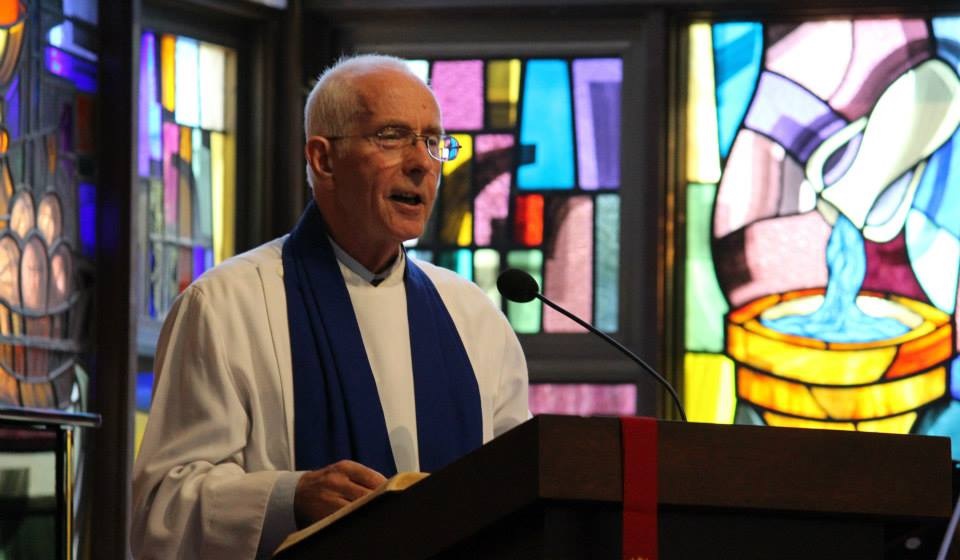
with Rev. Prof. Dean Drayton

The Samaritan Story
The Samaritan in Jesus story lived in what is Palestinian today. To the Jewish people at that time Samaritans were religious outcasts, a mixed impure people who had corrupted the worship of Yahweh. Suspicion and hatred ran deep.
In Luke 10 a lawyer wanted to test Jesus. He asked what he must do to inherit eternal life. Jesus turned the question back to him. What do your read in the law? The lawyer gave the two commandments, Love God and love your neighbor as yourself. Jesus agrees. But the lawyer wasn’t satisfied with the commandments he gave and wanted to test Jesus further. It seems as if he thought Jesus had let himself off the hook.
So the lawyer ‘wanting to justify himself’ asks, “Who is my neighbor?” This is legal language challenging Jesus further and wanting to show that he the lawyer was in charge of the situation in raising a vital point that the law did not answer.
Jesus responded, telling a story that involves a priest and a member of the tribe of Levi, the tribe set apart by God to serve God and be responsible for the administering of the Law. The priest and the Levi were walking separately on the road from Jerusalem to Jericho, most likely having finished their rosters in the Temple. First one, then a little later the other, see a person bleeding and left for dead in the ditch on the side of the road – and walk on by without stopping.
Then later, a Samaritan sees the man, and is ‘moved with compassion’, and bandages him, puts him on his animal, looks after him for a day in a hotel, and pays for the rest of the time he needs to stay there. The word Jesus uses for this act though is far more than compassion. It is a word unique to him. He says the Samaritan was moved viscerally in his guts with a feeling of intense and encompassing love and care for the man like a mother holding her baby in her hands after labor.
Then Jesus asks the lawyer “Who was neighbor to the stricken man?” The answer is obvious -the Samaritan. The lawyer could have said, The Samaritan, or the one who cared, or the one who did not pass on by. He did not. He limited his answer to ‘the one who showed mercy’. It saved him from having to acknowledge the Samaritan – voice the depth of love and care that was shown by an outcast- acknowledge the one who crossed social boundaries to help.
It was a lawyer’s answer. ”The one who showed him mercy”. He zeroed in on mercy and not the one who showed it! He opted for a restricted legal description! He limited the depth of feeling and compassion to one who showed ‘mercy’, when this one, the Samaritan, showed far more than mercy.
When Jesus said to him, Go and do likewise! He was replying to the lawyer’s statement. He underlined who the ‘one ‘ was! Be a neighbor as the Samaritan was. The lawyer caught up in his testing was the one who was tested and found wanting.
What about us? Do we cross the road in the footsteps of the Samaritan or the footsteps of the lawyer?

Rev. Prof. Dean Drayton
(호주 연합교단 증경 전국총회장, 이이오나 트리니티 대학 이사장)
사마리아인의 이야기이다
예수님의 이야기 속 사마리아인은 오늘날 팔레스타인 지역에 살던 사람이다. 당시 유대인들에게 사마리아인은 종교적으로 추방당한 자이며, 야훼의 예배를 왜곡한 혼혈의 불순한 민족으로 여겨졌던 존재이다. 의심과 증오가 깊게 자리잡고 있었던 시대이다.
누가복음 10장에서 한 율법학자가 예수님을 시험하려고 다가온다. 그는 “영생을 얻으려면 무엇을 해야 합니까?”라고 묻는다. 예수님은 그 질문을 되돌려 묻는다. “율법에 무엇이라 기록되어 있느냐?” 율법학자는 하나님을 사랑하고 이웃을 자신처럼 사랑하라는 두 계명을 답한다. 예수님은 그 대답에 동의하신다.
하지만 율법학자는 그 대답에 만족하지 않고 예수님을 더 시험하려 한다. 마치 예수님이 스스로를 너무 쉽게 빠져나가게 했다고 생각한 듯한 태도이다. 그래서 그는 “누가 내 이웃입니까?”라고 묻는다. 이는 법적인 언어로, 예수님을 더 깊이 도전하며 율법이 명확히 답하지 않는 중요한 문제를 제기한 것이다.
예수님은 이에 대해 한 이야기를 들려주신다. 제사장과 레위인이 등장하는데, 이들은 하나님의 일을 맡은 자이며, 성전에서의 직무를 마치고 예루살렘에서 여리고로 내려가는 길을 걷고 있었던 사람들이다. 그들은 길가에 피를 흘리며 거의 죽어가는 사람을 보고도 그냥 지나쳐 버린다.
그 후, 사마리아인이 그 사람을 보고 ‘불쌍히 여겨’ 다가간다. 그는 상처를 싸매고, 자기 짐승에 태워 여관으로 데려가 하루 동안 돌보며, 이후의 비용까지 지불한다. 예수님이 사용하신 단어는 단순한 ‘불쌍히 여김’이 아니다. 그것은 예수님만이 사용하는 독특한 표현이며, 마치 산고 끝에 아기를 품에 안은 어머니처럼, 깊고 강렬한 사랑과 돌봄의 감정이 내장 깊은 곳에서부터 솟아나는 것을 의미하는 단어이다.
예수님은 율법학자에게 묻는다. “누가 강도 만난 자의 이웃이 되었느냐?” 답은 명백하다, 사마리아인이다. 그러나 율법학자는 “사마리아인”이라고 말하지 않는다. “자비를 베푼 자”라고만 답한다. 그는 사마리아인을 직접 인정하는 것을 피한다. 사회적 경계를 넘어서 사랑을 실천한 그를 언급하지 않으려 했던 것이다.
그것은 율법학자의 답변이다. “자비를 베푼 자.” 그는 ‘자비’라는 법적 개념에만 집중했고, 그것을 행한 ‘사람’은 언급하지 않았다. 사마리아인이 보여준 것은 단순한 자비를 넘어선 깊은 사랑과 공감이었지만, 율법학자는 그것을 제한된 법적 표현으로 축소시킨 것이다.
예수님은 “가서 너도 이와 같이 하라”고 말씀하신다. 이는 율법학자의 답변에 대한 응답이며, 그가 언급하지 않은 ‘그 사람’ — 사마리아인을 강조하신 것이다. 이웃이 되라는 말씀은 사마리아인처럼 되라는 뜻이다. 시험하려 했던 율법학자가 오히려 시험을 받고 부족함이 드러난 것이다.
그렇다면 우리에게는 어떤 선택이 있는가? 우리는 길을 건널 때 사마리아인의 발자취를 따르는가, 아니면 율법학자의 발자취를 따르는가?
번역 = 김환기 사관
크리스천라이프 편집부