
명곡감상
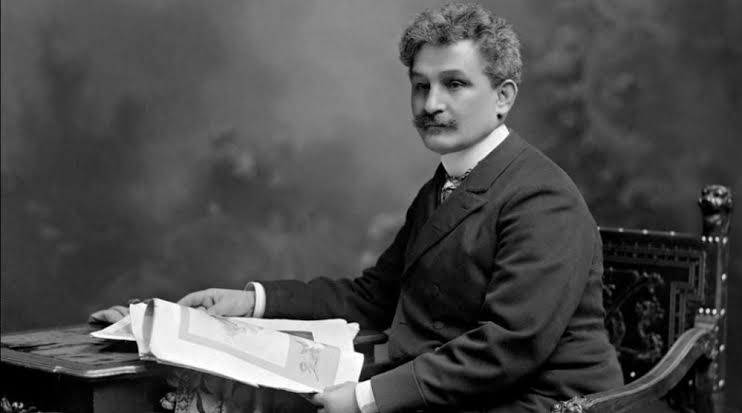
체코의 작곡가 레오시 야나체크 (Leos Janacek, 1854 ~ 1928)의 Sinfonietta
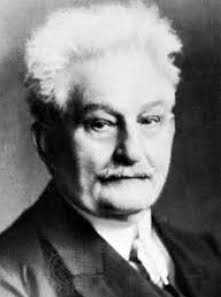
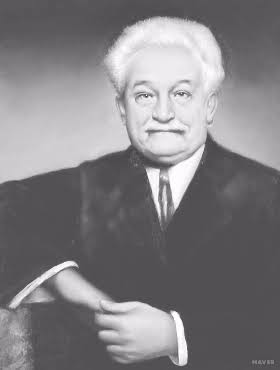
레오시 야나체크 (Leos Janacek, 체: Leoš Janáček, 1854년 7월 3일 ~ 1928년 8월 12일)는 체코의 작곡가이다.
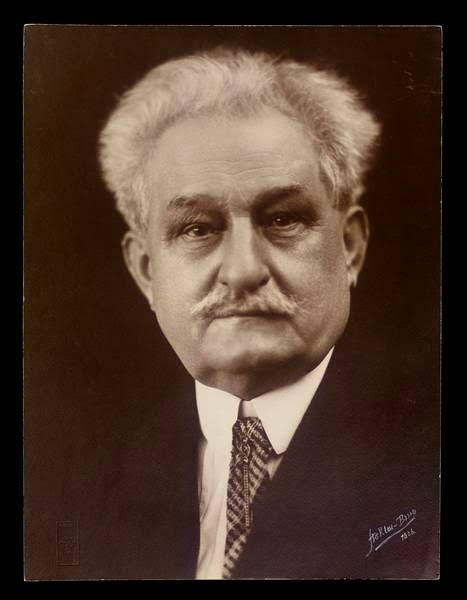
– 레오시 야나체크 (Leoš Janáček)
.출생: 1854년 7월 3일, 오스트리아 제국 모라비아 푸구발디
.사망: 1928년 8월 12일 (74세), 체코슬로바키아 오스트라바
.국적: 체코
.직업: 작곡가, 음악가
.사조: 국민악파
.배우자: 즈덴카 야나체크 (1881 ~ 1928년)
.자녀: 올가 야나체크, 블라디미르 야나체크
.오페라 대본: 영리한 새끼 암여우, 예누파, 카탸 카바노바, 마크로풀로스 사건 등
체코의 보헤미아와 슬로바키아의 경계지대에 있는 북모라비아 지방이 낳은 최대의 작곡가인 야나체크는 교원인 아버지의 14형제 중의 10번째의 아들로 태어났기 때문에 생활이 매우 어려웠다.
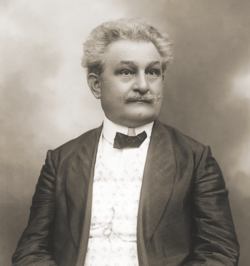
태어나기는 폴란드의 국경과 가까운 푸구발디라는 곳이나 11세 때 모라비아 지방의 중심지 브르노에 가서 성 아우그스티노회 수도원의 성가대에 들어가, 이 성가대의 지도자로 뛰어난 합창곡의 작곡가이기도 한 그루제코프스키에게 귀여움을 받았으나 뒤에 합창곡이 오페라와 함께 야나체크의 창작의 중심을 이루게 된 것은 이 선생의 영향이었다.
올드브르노 중학교에서 국립 브르노 사범학교로 진학하여 1872년에 졸업하였으나 그 후에도 프라하의 오르간 학교 (1874 ~ 1875)와 빈 음악원의 하기학교 (1880)에 유학한 기간을 제외하고는 생애의 대부분을 브르노에서 지냈으며 모교 브르노사범학교에서 가르치기도 하고 1882년의 28세 때는 브르노 오르간학교를 발족시켜 1920년까지 그 곳 교장으로 있었다.
그 전해인 1919년에는 프라하 음악원의 브르노 분교의 창설에도 협력하여 오르간학교를 발전적으로 해소시켜 이와 합병하여 1925년까지 그 마스터 클라스에서 가르쳤다.
야나체크는 1928년 여름 돌연 폐렴에 걸려 모라비아의 오스트라우의 병원에서 영면하였다.
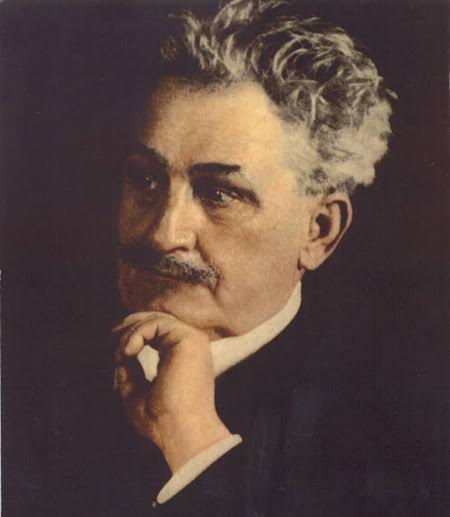
- 작품 경향
야나체크의 작품에서 보통 연주되고 있는 것의 대부분은 50세를 넘은 뒤인 만년의 작품뿐으로, 그 이전의 것은 자신의 손으로 파기된 것이 많다.
매우 특이한 개성으로 27세의 연하인 헝가리의 벨러 버르토크보다 한발 앞서 현대적인 민족주의 음악의 방식을 취하고 있었고, 게다가 작곡의 기초가 된 고향 모라비아의 민요나 방언의 어법의 특수성과 서양인의 논리로는 이해하기 어려운 동양적 사상에 따른 구성원리 등 때문에 체코 국내에서도 인정되는 것이 늦어져, 출세작인 오페라 ‘예누파’ (1894 ~ 1903)만 해도 브르노에서는 50세 때 인정되었지만 프라하의 국립극장이 이를 채택하기까지는 12년이나 지난 뒤의 일이었다.
브르노라는 지방도시에 은거하면서 인생의 청춘을 교육에 바친 것도 세상에 알려지는 일이 늦어진 한 원인이었던 듯하다.
세계가 이 작곡가의 위대성에 주목하여 비판적 리얼리즘의 정신으로 일관된 오페라의 하나하나가 모두 체코 이외의 나라에서도 채택되기까지에는 그 뒤 30년 내지 40년이란 세월이 필요했다.
○ Leoš Janáček – Sinfonietta
- Composer: Leoš Janáček (3 July 1854 — 12 August 1928)
- Orchestra: Wiener Philharmoniker
- Conductor: Sir Charles Mackerras
- Year of recording: 1980
Sinfonietta (subtitled “Military Sinfonietta” or “Sokol Festival”), written in 1926.
00:00 – I. Allegretto — Allegro maestoso (Fanfare)
02:25 – II. Andante — Allegretto (The Castle, Brno)
08:35 – III. Moderato (The Queen’s Monastery, Brno)
13:58 – IV. Allegretto (The Street Leading to the Castle)
17:02 – V. Andante con moto (The Town Hall, Brno)
The Sinfonietta is a very expressive and festive, late work for large orchestra (of which 25 are brass players). It is dedicated “To the Czechoslovak Armed Forces” and Janáček said it was intended to express “contemporary free man, his spiritual beauty and joy, his strength, courage and determination to fight for victory.” It started by Janáček listening to a brass band, becoming inspired to write some fanfares of his own. When the organisers of the Sokol Gymnastic Festival approached him for a commission, he developed the material into the Sinfonietta. He later dropped the word military.
The work is typical of Janáček’s tight construction, the material of each movement deriving from the opening motif. It features several variants based on Janáček’s original fanfare.
- The first movement is scored only for brass and percussion.
- The second movement begins with a rapid ostinato from the wind, but later has a more lyrical episode.
- The third begins quietly in the strings, but is interrupted by a stern figure in the trombones, leading to another fast dance-like passage.
- In the fourth movement, Janáček celebrates the newly liberated Czechoslovakia with a joyous trumpet fanfare.
- The finale begins in the key of E-flat minor with a calm retrograde version of the opening melody. However, this quickly moves into a triumphant finale, the return of the opening fanfare decorated with swirling figures in the strings and wind.
The first performance was in Prague on 26 June 1926 under Václav Talich.
A famous usage of the opening of Sinfonietta was by the progressive rock band Emerson, Lake & Palmer for the song “Knife-Edge” on their debut album.
크리스천라이프 편집부