
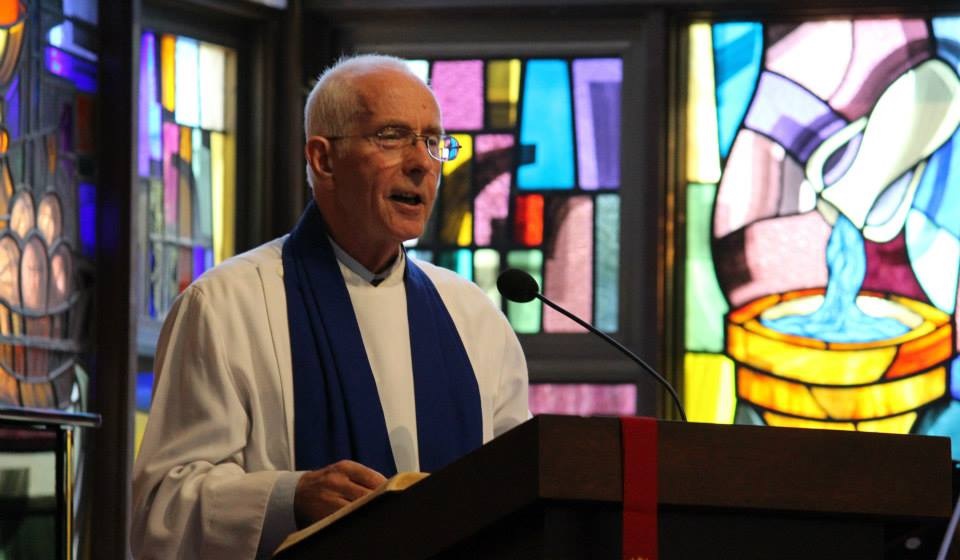
with Rev. Prof. Dean Drayton
Nepal’s Horror – How to be a neighbour
The collapse of part of a high mountain glacier destroyed the river valley of the Trishuli River for over 100 km! The river was the source of life for all the villages and farms along its length. Without warning, a 30 metre churning wall of mud, water and rock swept down the valley, washing away villages, bridges, and dams. What terror! There was no time to escape. Those who survived now suffer the terrible loss of dear ones, as they search for bodies, without home and work.
The unexpectedness and scale of this massive disaster has had an awful impact on Nepal, a developing nation with a relatively fragile economy. While the collapse of a part of a glacier is an accident of nature, there are indications that global warming had a part to play in what happened. It may well be that we in the West have some responsibility with our refusal to limit our use of fossil fuels.
Jesus words about our neighbour come home with an added consequence. Jesus, answering a lawyer’s question, had said the second commandment is to ‘love our neighbour as ourself.’ Then came the lawyer’s question, but who is my neighbour? Jesus tells a story most know well. A man on the way from Jerusalem to Jericho was robbed and left for dead. A Priest and a Levite following later saw the man lying there, but passed by on the other side. But a hated Samaritan came near him and was moved with pity to look after him and did so. Jesus asked the lawyer, ‘Which of these three was a neighbour to the man who fell into the hands of robbers? He answered, ‘The one who showed mercy’. Jesus final word was, ‘Go and do likewise.’
We look on those who are suffering in Nepal, and it is clear that they are our global neighbors. What if we are more involved in their tragedy than we realise? Australia has an economy that profits greatly from oil and gas exports to mostly Asian nations. – $70b last year. Successive governments have failed to reduce our dependency on these exports for our economy. We may be the Priest and the Levite in the story who walk on by as others suffer the consequences of our lack of action to curb one of the major sources of global warming.
Yet too there is a long history of the Australian people giving greatly to alleviate the direct pain of others in horrendous tragedies. There is great support for what happens to our neighbours in tsunamis, floods, fires, wherever they live in the world.
But Jesus asks us to see ourselves from another perspective. Not only that we see the neighbour and respond to their need, but that we be neighbour to them. How do we show mercy in this disaster?
Perhaps we need to do more than give to directly alleviate the suffering, as important as that is. Perhaps we could acknowledge that we are complicit in the warming that helped this disaster happen – and do more to lessen this danger. The more global warming continues, the more such disasters lie waiting in the future.
Rev Professor Dean Drayton
National President of the UCA 2003-2006
네팔의 비극 – 진정한 이웃이 된다는 것
고산 지대 빙하의 일부가 붕괴하면서 트리슐리(Trishuli) 강 계곡 100km 이상 구간이 초토화되었습니다! 이 강은 강줄기를 따라 자리 잡은 모든 마을과 농장에 생명줄과도 같은 존재였습니다. 아무런 예고도 없이 진흙과 물, 바위가 뒤섞인 30미터 높이의 거대한 벽이 계곡을 휩쓸고 내려오며 마을과 다리, 댐을 모두 쓸어버렸습니다. 참으로 끔찍한 공포였습니다! 대피할 시간조차 없었습니다. 살아남은 이들은 이제 집과 일터를 잃은 채 사랑하는 이들의 시신을 수습하며 끔찍한 상실감에 고통받고 있습니다.
이 거대한 재난의 예상치 못한 발생과 엄청난 규모는 경제적으로 다소 취약한 개발도상국인 네팔에 끔찍한 타격을 입혔습니다. 빙하 일부의 붕괴는 자연재해이긴 하지만, 이번 사태에 지구 온난화가 일정한 역할을 했을 것이라는 징후들이 있습니다. 화석 연료 사용을 제한하기를 거부해 온 서구 사회인 우리에게도 어느 정도 책임이 있을지 모릅니다.
이웃에 관한 예수님의 말씀이 새로운 무게감으로 다가옵니다. 예수님께서는 율법학자의 질문에 답하며 두 번째 계명이 ‘네 이웃을 네 자신과 같이 사랑하라’는 것이라고 말씀하셨습니다. 그러자 율법학자가 “그렇다면 내 이웃은 누구입니까?”라고 물었습니다. 예수님께서는 우리에게 아주 잘 알려진 이야기를 들려주셨습니다. 예루살렘에서 여리고로 가던 한 사람이 강도를 만나 거의 죽게 된 채 버려졌습니다. 뒤이어 지나가던 제사장과 레위인은 쓰러져 있는 그를 보고도 길 반대편으로 지나쳐 버렸습니다. 하지만 멸시받던 사마리아인은 그에게 다가가 측은한 마음으로 그를 돌보아 주었습니다. 예수님께서는 율법학자에게 물으셨습니다. “이 세 사람 중 누가 강도 만난 사람의 이웃이 되겠느냐?” 그가 대답했습니다. “자비를 베푼 사람입니다.” 예수님의 마지막 말씀은 이것이었습니다. “가서 너도 이와 같이 하라.”
네팔에서 고통받는 이들을 바라볼 때, 그들이 우리의 지구촌 이웃임은 분명합니다. 만약 우리가 깨닫는 것보다 더 깊이 그들의 비극과 연관되어 있다면 어떨까요? 호주는 주로 아시아 국가들로 석유와 가스를 수출하여 막대한 경제적 이익을 얻고 있습니다. 작년 한 해에만 700억 달러에 달했죠. 역대 정부들은 경제를 위해 이러한 수출에 의존하는 구조를 개선하는 데 실패해 왔습니다. 지구 온난화의 주된 원인 중 하나를 억제하지 못한 우리의 무관심이 초래한 고통을 타인이 겪고 있을 때, 어쩌면 우리는 그저 지나쳐 버리는 이야기 속 제사장이나 레위 사람과 같은 모습일지도 모릅니다.
그럼에도 호주 국민은 끔찍한 비극 속에서 타인이 겪는 직접적인 고통을 덜어주기 위해 아낌없이 베풀어 온 오랜 역사를 가지고 있습니다. 쓰나미, 홍수, 화재 등 세계 어느 곳에서든 이웃에게 닥친 재난에 대해 우리는 큰 지지와 도움을 보내왔습니다.
하지만 예수님께서는 우리에게 또 다른 관점에서 자신을 바라보라고 하십니다. 단순히 이웃을 보고 그들의 필요에 응답하는 것을 넘어, 우리가 그들에게 진정한 ‘이웃’이 되라는 것입니다. 그렇다면 이 재난 상황에서 우리는 어떻게 자비를 베풀 수 있을까요?
물론 고통을 직접적으로 덜어주기 위한 지원도 중요하지만, 우리는 그 이상의 일을 해야 할지도 모릅니다. 어쩌면 우리는 이 재난을 초래한 지구 온난화에 우리 또한 일조했음을 인정하고, 이러한 위험을 줄이기 위해 더 많은 노력을 기울여야 할 것입니다. 지구 온난화가 계속될수록, 미래에는 이와 같은 재난이 더욱 우리를 기다리고 있을 것이기 때문입니다.
번역 = 김환기 사관