

Clive Pearson 학장 칼럼
“Celebrating” Christmas – Seoul style!
We are coming to the end of a most strange year. For the people of Korea the foreground has been occupied by mass demonstrations and a calling for the President to resign or be impeached. In one country after another we have seen odd political happenings and the emergence of what has been called the “post-truth” society. On the television every night – indeed 24/7 – we are given reports of the horrendous situation in Aleppo. The year is drawing to a close in the midst of much uncertainty – and one wonders what Christmas message to give.
Perhaps it’s worth noting that Christmas was not always a big festival. The early church did not observe Easter as its major festival – that was reserved for Easter. It was not until 1226(or thereabouts) that Francis of Assisi introduced the Christmas manger scene with which we are now so familiar; it was Francis who was also responsible for the singing of carols. Up until that time Christmas music was more of a chant sung by monks.
And maybe we should note that sometimes the Christmas story the gospels actually tell are not quite how we remember them. The gospel of Mark has no Christmas story at all! Nor does the gospel of John, even though most Christmas day services will included a reading from the prologue to John’s gospel, the first 14 verses. “In the beginning was the Word and the Word was with God and the Word was God …” Only Luke and Matthew have birth narratives and they are not the same. Matthew’s Christmas story begins with a genealogy, Joseph receives a dream; he takes Mary to be his wife; he is told that the name of the bay shall be Jesus(‘he will save his people from their sins’) and Emmanuel(“God with us). There is no census; no ride on the back of a donkey to Bethlehem; there is no inn, no manger scene; there are no shepherds tending their flocks by night; there are no singing angels – but there is the story of Herod, the wise men, the killing of the innocent children and a dream advising Joseph to take his family to Egypt. The infant Jesus is what we would call a political refugee!
The story Matthew tells is a far cry from the innocent tale we so often hear. It is full of intrigue, threat, uncertainty and power plays. The way the story is told Matthew is actually informing his readers of how the plot to do with the birth of Jesus mirrors the story line of the people of Israel. They too spent time in Egypt; another Joseph was also a bit of a dreamer and unlike Luke, the genealogy in Matthew goes back to Abraham, the father of the people of Israel.
The telling of the Christmas story might be best divorced from public holidays, shopping expeditions and consumer spectacles. It was with that spirit in mind that I sought out an account of early Christmas celebrations in Korea. For a record of that we will need to go back to the Presbyterian mission to Korea in the late 19th century. Horace Bushnell, the first American missionary to make his home in Seoul tells the story.
The year is 1884; the situation is tense. There had been an attempt to overthrow the government. It had failed. Most of the westerners have left the city. Allen, his wife Fannie and their infant son observed Christmas with two military officers attached to the American Legation. One of those two had lost all his possessions in the riots associated with the revolt.
Allen wrote in his diary: “Yesterday was Christmas. Fannie gave me a nice embroidered satin cap and two satin ties with a silk case to keep them in all of her own make.” He noted that he had ordered her a “nice silk dressing gown” from Yokohama but because of the destruction of the Korean post office during the coup it was probably. It had not arrived and was probably lost en route due to the destruction of the Korean post office. And the baby – it received a new tooth!
It appears as if the next account of a Christmas happened in more settled times and in a more festive spirit. Now the year was 1886 and the Christmas party was hosted by another missionary, Horace Underwood, who decorated his home “with boughs of evergreen mingled with holly and mistletoe”. It seems as if hunting played a large role in these early Christmas dinners. There was not much in the way of Western food and supplies had to be ordered from Japan, China and the United States. Instead of ham or turkey were ducks, geese and pheasants locally hunted. Toys for the children were hand made.
Over the course of time the small Korean churches began holding services. By the mid-1890s their churches were being decorated with trees and candles. Underwood’s wife, Lillias, was given the task of dressing a tree at the royal palace, soon after Christmas itself. The king and queen barged in before she was finished and were seemingly not that impressed with this western custom.
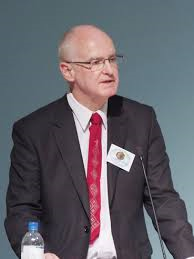
Clive Pearson (United Theological College 학장)
………………………………………
성탄절을 축하하며 – 서울 스타일!
우리는 가장 이상한 해의 끝에 서 있다. 한국 사람들에게는 그 배경이 대통령이 사임하든가 탄핵할 것을 요청하는 커다란 데모로 사로잡혀 있다. 나라마다 특이한 정치적 사건들이 일어났으며 “탈 진실” 사회로 불리우는 것의 부상을 보았다. 매일 밤 텔레비젼에서 주야장창 알레포(Aleppo)의 참담한 상황에 대한 리포트를 본다. 많은 불확실한 가운데 한 해가 저물어 가고 있으며 – 어떠한 성탄절 메세지를 줄 수 있을지 생각하게 된다.
성탄절이 아마도 항상 큰 명절은 아니었다는 것을 특기할 만 하다. 초대교회에서는 부활절을 주요 명절로 지키지 않았다. 1226년에 가서 아시시의 프란시스가 우리가 매우 익숙한 크리스마스 말 구유의 장면을 도입했는데; 캐롤을 부르는 것도 역시 프란시스로 기인했다. 그때까지만 해도 성탄절 음악은 수도승이 부르는 영창 정도이었다.
그리고 복음서가 말하는 성탄절 이야기는 우리가 기억하는 그런 것이 때로는 아닐 수 있다. 마가복음은 성탄절 이야기가 전혀 없다! 대부분의 성탄절 예배에 요한복음의 첫 14절, 태초에 말씀이 있었고 말씀은 하나님과 함께 했으며 말씀은 하나님이시니… 를 봉독할지라도 요한복음서 조차에도 없다. 오직 누가 복음과 마태복음애 탄생 이야기가 있으며 그것들은 서로 다르다. 마태의 성탄절 이야기는 족보로 시작되며 요셉이 꿈을 받고; 마리아를 자신의 아내로 삼으며; 아들의 이름은 예수라 할 것을 들으며(그는 그의 백성을 죄에서 구할 것이다) 임마누엘(하나님이 우리와 함께 함)이 있다. 거기에는 인구조사가 없으며; 나귀의 등을 타고 베들레헴으로 가지 않으며; 여관도 없고 구유의 장면도 없으며; 밤에 양들을 돌보는 목자도 없고; 천사들의 노래도 없으나 – 헤롯의 이야기, 동방박사, 무고한 어린이들을 죽이며 요셉이 이집트로 가족을 데리고 가라는 꿈이 있다. 아기 예수는 말하자면 정치적 난민이라고 부를 수 있는 것이다.
마태가 전하는 이야기는 우리가 자주 듣는 지고지순한 이야기에서 멀리 떨어져 있다. 거기에는 강력한 흥미, 위협, 불확실과 힘겨룸들로 가득 차 있다. 그 이야기가 말해주는 것은 마태가 실로 예수의 탄생과 이스라엘 백성의 스토리가 어떻게 병행되는지 독자들에게 알려준다. 그들도 이집트에서 시간을 보냈고, 또 다른 요셉은 꿈을 꾸는 자였으며 누가와는 다르게 마태복음서의 족보는 이스라엘 백성의 아버지인, 아브라함으로 거슬러 올라간다.
성탄절의 이야기를 말하는 것은 공휴일, 쇼핑 지출과 소비자 광경과는 가장 멀리 떨어져 있을 것이다. 실로 그것은 한국에서의 초대 성탄절을 축하하는 마음의 영과 관련되어 있다. 기록으로 돌아가서 우리는 19세기 말 장로교 선교회가 한국에 파송한 첫 번째 미국 선교사인 호라스 부슈넬(Horace Bushnell)이 서울에 정착해서 그 이야기를 들려주는 것을 돌아 볼 필요가 있을 것이다.
1884년이다; 상황은 경직되어 있다. 거기에는 정부를 전복하려는 시도가 있었고 그것은 실패했다. 대부분의 서구인들은 도시를 떠났다. 알렌과 그의 아내 화니와 어린 아들은 미국 공사관에 부속된 두 명의 군 장교와 함께 성탄절을 보냈다. 그 둘 중의 하나는 반란에 관련된 폭동으로 그의 모든 소유물을 잃었다.
알렌은 그의 일기에 쓰기를: 어제는 성탄절이었다. 화니는 나에게 수가 노인 사틴 모자와 자신이 만든 실크 케이스에 담긴 두 개의 실크 타이를 나에게 주었다. 그는 아내를 위하여 요코하마로부터 ‘좋은 실크 드레싱 가운’을 주문했으나 한국 우체국이 구데타 중에 파괴되었기 때문에 아마도 도착하지 못했고 한국 우체국의 파괴로 오는 도중에 분실되었음을 적었다. 그리고 아기는 새 이빨 하나가 나왔다!
그 다음의 성탄절은 좀 더 안정이 되어서 좀 더 축제의 분위기에서 지냈던 것으로 보인다. 이제는 1886년이었고 성탄절 파티가 다른 선교사인 호라스 언더우드에 의해 주최되었는데 “홀리와 미슬토로 장식된 상록수 가지”로 자신의 집을 장식했다. 초기의 성탄절 저녁에서 사냥은 큰 역할을 맡은 것처럼 보인다. 거기에는 서구의 음식들이 많지 않았고 공급품들은 일본, 중국과 미국으로부터 주문해야만 했다. 햄 혹은 칠면조 대신에, 오리, 거위와 근처에서 사냥한 꿩들이었다. 어린이들을 위한 장난감은 손으로 만들었다.
시간이 지나면서 작은 한국 교회들이 예배를 인도하기 시작했다. 1890년 중반에 그들의 교회는 나무와 촛대들로 장식되었다. 언더우드의 아내인, 릴리아는 궁전에 있는 트리를 장식하는 과제가 주어졌으며 곧 성탄절까지도 하게 되었다. 왕과 왕비는 그녀가 끝내기 전에 들어오는 바람에 이같은 서구 관습에 그다지 인상을 받지 않은 것 같다.
번역 김무순 목사