
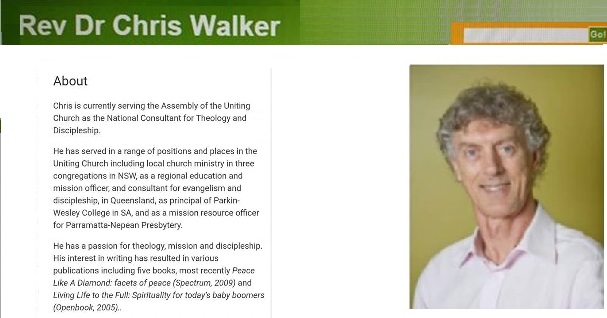
with Rev Dr Chris Walker

Growing Older
As someone now in my mid 70s I am conscious of growing older. Not old, just older. I try to keep fit and healthy and am fortunate to be able to do so for the most part. I am now one of more than 3.5 million Australians who are over 70 in a population of over 27 million. It is also an increasing demographic. What does growing older mean and how can I do it well especially as a Christian?
A book by a Canadian, Paul Stevens, titled Aging Matters had some useful things to say. I will also draw on some other writings I found helpful. All of us who call ourselves Christians have responded to Jesus’ call to discipleship. That calling is lifelong. However, the nature of that calling changes during our life and this applies as we get older. Upon retirement some people see it as an opportunity to take on new and different challenges. For others it is a matter of considering how best to use the skills we have developed when we move into a different phase of life. Calling is different to vocation or occupation. It is not a job or profession but rather a response to God to follow the way of Jesus and serve the reign of God in both the church and the world. It involves using our gifts and talents and personality to serve God and our neighbours. Our circumstances will influence how we carry out our calling.
In the Bible older people are often revered as elders. Indigenous cultures respect older people for their knowledge and long experience. As we become older, we should be aiming to become known as people of wisdom and compassion.
Growing older does not automatically lead to people becoming more at ease with themselves and others, more compassionate, more spiritual. Instead, people can become more self-centred, bitter, less agreeable as their body weakens. Stevens identifies particular sins to be acknowledged. Pride does not necessarily lessen. Older people can be reluctant to take instruction from others. An aging person can experience envy of another person’s health or financial resources. An angry heart can be at the base of an older person who is demanding, domineering and bitter. They are always grumbling and finding fault with others. Anger can be used positively but not if selfishly motivated. Laziness can be an issue. Older people can lose all initiative, have no passion for anything, no interest in others, no concern for the world. They just look for things to keep themselves entertained. Greed can be a problem in terms of wishing they had more money or the capacity to do things. People can become more focussed on food as they do not have other interests. Lust and pornography can be an issue. Acceptance of one’s situation is required.
Stevens also identifies virtues to be developed. John Cassian, an early church father, says that humility in the aged is a great virtue since it represents the overcoming of pride and vanity. Patience is another virtue to be fostered. It is not simply resignation but accepts that life has slowed. Simplicity can also mark the elderly when they have learned to live with less and live by simple truths.
Christian teaching has identified four cardinal virtues: wisdom, justice, self-control and courage. These are virtues to be fostered throughout life and into old age. Similarly, the three theological virtues are fundamental to Christian living. They are faith, hope and love with Paul saying love is the greatest. Loving God and loving the neighbour as oneself are the primary commandments to which Jesus pointed.
Faith has to do with our response to God. We respond to God’s graciousness toward us by trusting in God. Faith in older persons means continuing to look to God in all circumstances and being conscious of God’s steadfast love and faithfulness. The psalmists often refer to these qualities of God that we can rely on.
Hope is important. It is easy to give up on hope and think that the world will continue on its way with so much injustice, violence, suffering, grief, racism, poverty, environmental issues and war. While we need to be realistic and do what we can to overcome the issues we face, Christians also hold to an ultimate hope. This is not escape from this world but hope for the final transformation of it. Stevens puts this as follows: “The virtue of hope is believing that the whole human story is straining toward a beautiful end, the second coming of Christ, the full inauguration of the kingdom of God, bringing shalom, and the renewal of everything in a new heaven and earth.”
Hope means investing in the next generation and in projects that will outlast our lifetime. As older people we can encourage and mentor those who are younger than us. It is satisfying to be able to draw on our knowledge and experience, not to teach so much as to enable others to grow in their capacities and understanding.
For Christians love is the main quality to develop. It involves love not only to those close to us in terms of family and friends, but to love the neighbour even when they are different. Love is caring loyalty to people, places and community. We tend to think of loving people individually and that is certainly central but we can also love where we live and the world. Indigenous people care for country for they see it as their mother. We all should be caring for our local area, care for our land and forests and creatures losing their habitat, care for the ocean which has been often seen as a place to receive our plastics and rubbish. We can care for our own local community and for communities in different parts of the world.
Finally, as we grow older, we can consider what kind of legacy we will leave and how we can finish our lives well.
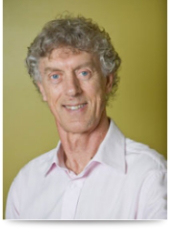
Chris Walker
http://revdrchriswalker.wordpress.com/
Chris is currently serving the Assembly of the Uniting Church as the National Consultant for Theology and Discipleship.
He has served in a range of positions and places in the Uniting Church including local church ministry in three congregations in NSW, as a regional education and mission officer, and consultant for evangelism and discipleship, in Queensland, as principal of Parkin-Wesley College in SA, and as a mission resource officer for Parramatta-Nepean Presbytery.
He has a passion for theology, mission and discipleship. His interest in writing has resulted in various publications including five books, most recently Peace Like A Diamond: facets of peace (Spectrum, 2009) and Living Life to the Full: Spirituality for today’s baby boomers (Openbook, 2005)
나이 들어감
70대 중반에 접어든 저는 나이 들어감에 따라 살아가고 있습니다. 늙었다는 의미가 아니라, 그저 나이가 들어가는 것일 뿐입니다. 건강을 유지하려고 노력하고 있으며, 다행히 대부분 그렇게 할 수 있습니다. 저는 2,700만 명이 넘는 호주 인구 중 350만 명이 넘는 70세 이상 인구 중 한 명입니다. 이 인구층은 점점 증가하고 있습니다. 나이 들어감이란 무엇이며, 특히 그리스도인으로서 어떻게 하면 나이 들어감에 따라 잘 살아갈 수 있을까요?
캐나다 작가 폴 스티븐스의 저서 『노화의 의미(Aging Matters)』에서 유용한 내용을 발견했습니다. 또한 도움이 되었던 다른 글들도 참고하고자 합니다. 그리스도인이라고 자처하는 우리 모두는 예수님의 제자도 부르심에 응답했습니다. 그 부르심은 평생 지속됩니다. 하지만 그 부르심의 본질은 삶을 살아가면서 변화하며, 이는 나이가 들어감에 따라 더욱 분명해집니다. 은퇴 후 어떤 사람들은 새로운 도전을 할 기회로 여깁니다. 또 어떤 사람들은 인생의 새로운 단계로 접어들면서 그동안 쌓아온 경험과 기술을 어떻게 활용할지 고민합니다. 소명은 직업이나 직업과는 다릅니다. 소명은 단순히 일자리나 전문직이 아니라, 예수님의 길을 따르고 교회와 세상 모두에서 하나님의 나라를 섬기라는 하나님의 부르심에 대한 응답입니다. 소명은 우리의 은사와 재능, 그리고 개성을 사용하여 하나님과 이웃을 섬기는 것을 의미합니다. 우리가 처한 환경은 소명을 어떻게 실천할지에 영향을 미칩니다.
성경에서 나이 드신 분들은 종종 장로로 존경받습니다. 토착 문화에서는 나이 드신 분들의 지식과 오랜 경험을 존중합니다. 우리도 나이가 들수록 지혜롭고 자비로운 사람으로 기억되도록 노력해야 합니다.
나이가 든다고 해서 저절로 자신과 타인에게 더 편안해지고, 더 자비롭고, 더 영적으로 변하는 것은 아닙니다. 오히려 몸이 약해지면서 자기중심적이고, 원망스럽고, 덜 호의적이 될 수도 있습니다. 스티븐스는 우리가 인지해야 할 몇 가지 구체적인 죄악을 지적합니다. 교만은 반드시 줄어드는 것이 아닙니다. 나이 드신 분들은 다른 사람의 가르침을 받아들이기를 꺼릴 수 있습니다. 또한 다른 사람의 건강이나 경제적 풍요를 부러워할 수도 있습니다. 나이 든 사람이 요구가 많고, 지배적이며, 냉소적인 이유는 분노에 차 있기 때문입니다. 그들은 항상 불평하고 남의 흠을 잡으려고 합니다. 분노는 긍정적으로 사용될 수도 있지만, 이기적인 동기에서 비롯된다면 문제가 됩니다. 게으름 또한 문제가 될 수 있습니다. 노인들은 주도성을 잃고, 어떤 일에도 열정을 잃거나, 타인에게 관심을 갖지 않거나, 세상에 대한 무관심을 보일 수 있습니다. 그저 자신을 즐겁게 해줄 것들을 찾을 뿐입니다. 더 많은 돈이나 하고 싶은 일을 할 수 있는 능력을 갈망하는 탐욕도 문제가 될 수 있습니다. 다른 관심사가 없어지면서 음식에만 집착하게 될 수도 있습니다. 음란과 음란물 중독도 문제가 될 수 있습니다. 자신의 상황을 받아들이는 것이 중요합니다.
스티븐스는 또한 개발해야 할 미덕들을 제시합니다. 초기 교부인 요한 카시안은 노년의 겸손은 교만과 허영을 극복하는 것을 의미하므로 훌륭한 미덕이라고 말합니다. 인내심 또한 길러야 할 미덕입니다. 이는 단순히 체념하는 것이 아니라 삶의 속도가 느려졌다는 것을 받아들이는 것입니다. 소박함은 노인들이 적은 것으로 살아가는 법을 배우고 단순한 진리에 따라 살아갈 때 나타나는 특징이기도 합니다.
기독교 가르침은 지혜, 정의, 절제, 용기라는 네 가지 주요 덕목을 제시합니다. 이러한 덕목들은 평생 동안, 그리고 노년까지 길러야 할 것들입니다. 마찬가지로, 세 가지 신학적 덕목, 즉 믿음, 소망, 사랑은 그리스도인의 삶에 있어 근본적입니다. 바울은 사랑이 가장 크다고 말했습니다. 하나님을 사랑하고 이웃을 자신처럼 사랑하는 것은 예수님께서 강조하신 가장 중요한 계명입니다.
믿음은 하나님께 대한 우리의 반응과 관련이 있습니다. 우리는 하나님을 신뢰함으로써 우리에게 베푸신 하나님의 은혜에 응답합니다. 노인들에게 있어 믿음이란 모든 상황 속에서 하나님을 바라보고 하나님의 변함없는 사랑과 신실하심을 의식하는 것을 의미합니다. 시편 기자들은 우리가 의지할 수 있는 하나님의 이러한 속성들을 자주 언급합니다.
소망은 중요합니다. 세상이 불의, 폭력, 고통, 슬픔, 인종차별, 가난, 환경 문제, 전쟁으로 가득한 상황에서 희망을 잃고 세상이 계속될 것이라고 생각하기 쉽습니다. 우리는 현실을 직시하고 당면한 문제들을 극복하기 위해 최선을 다해야 하지만, 그리스도인들은 궁극적인 소망을 품고 있습니다. 이 소망은 이 세상을 벗어나는 것이 아니라, 세상의 궁극적인 변화를 향한 소망입니다. 스티븐스는 이를 다음과 같이 말합니다. “소망의 미덕은 인류 역사의 모든 것이 아름다운 결말, 곧 그리스도의 재림, 하나님 나라의 완전한 도래, 샬롬의 실현, 그리고 새 하늘과 새 땅에서의 만물의 갱신을 향해 나아가고 있다고 믿는 것입니다.”
소망은 다음 세대에 투자하고 우리 생애를 넘어 지속될 사업에 힘쓰는 것을 의미합니다. 나이 든 사람으로서 우리는 우리보다 젊은 사람들을 격려하고 멘토링할 수 있습니다. 우리의 지식과 경험을 활용하여 다른 사람들이 능력과 이해력을 키워나갈 수 있도록 돕는 것은 참으로 만족스러운 일입니다. 단순히 가르치는 것보다는 그들의 성장을 돕는 것이 더 중요합니다.
그리스도인에게 사랑은 가장 중요한 덕목입니다. 사랑은 가족과 친구처럼 가까운 사람들에 대한 사랑뿐 아니라, 서로 다른 이웃에 대한 사랑도 포함합니다. 사랑은 사람, 장소, 그리고 공동체에 대한 애정과 충성심입니다. 우리는 보통 개인을 사랑하는 것을 생각하지만, 물론 개인을 사랑하는 것도 중요하지만, 우리가 사는 곳과 세상을 사랑하는 것도 중요합니다. 원주민들은 땅을 어머니처럼 여기며 소중히 여깁니다. 우리 모두는 우리 지역 사회, 땅과 숲, 서식지를 잃어가는 생물들, 플라스틱과 쓰레기로 가득 찬 바다를 돌봐야 합니다. 우리는 우리 지역 사회뿐 아니라 세계 곳곳의 공동체를 돌볼 수 있습니다.
마지막으로, 나이가 들면서 우리는 어떤 유산을 남길지, 그리고 어떻게 삶을 잘 마무리할지 생각해 볼 수 있습니다.
번역 = 크리스천라이프 편집부