
명곡감상
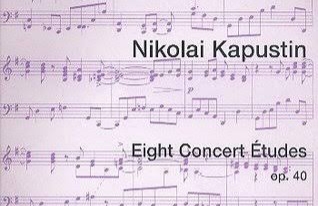
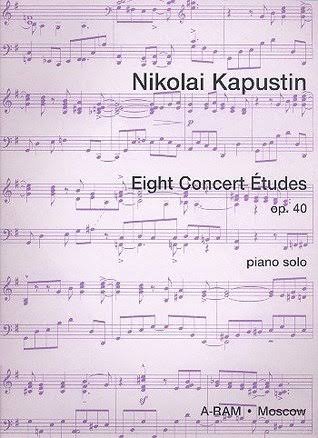
우크라이나의 작곡가 니콜라이 카푸스틴 (Nikolai Girshevich Kapustin, 1937 ~ 2020)의 Eight Concert Etudes, Op. 40
니콜라이 기르셰비치 카푸스틴 (Nikolai Girshevich Kapustin, 러: Николай Гиршевич Капустин, Nikolai Girshevich Kapustin, 우: Микола Гіршович Капустін, 1937년 11월 22일 ~ 2020년 7월 2일) 은 우크라이나의 작곡가, 피아니스트이다.
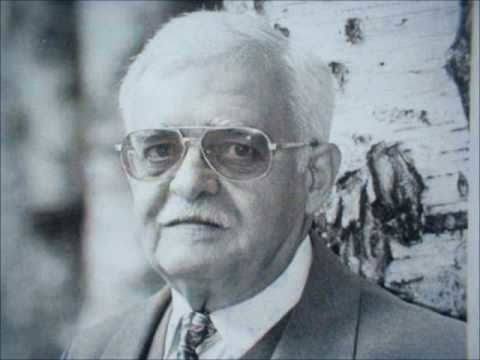
– 니콜라이 기르셰비치 카푸스틴 (Nikolai Girshevich Kapustin)
.출생: 1937년 11월 22일, 소련 우크라이나 소비에트 사회주의 공화국 홀리프카
.사망: 2020년 7월 2일 (82세), 러시아 모스크바
.배우자: 알라 카푸스티나 (1969년 결혼)
.자녀: 안톤 카푸스틴
.대표작: 8개의 콘서트를 위한 연습곡 작품번호40, 24개의 전주곡 작품번호53, 피아노 소나타 제2번 작품번호54 등
전반적인 곡들에 걸쳐서 재즈적 색채가 매우 강하며 피아노 곡들의 경우 난이도도 상당한 편으로 쇼팽의 에튀드와는 다른 의미의 어려움을 선사한다.
카푸스틴 본인이 녹음한 음원을 들어보면 10도 화음 등을 마치 일반적인 3화음, 7화음 치듯 가볍게 연주하고, 소나타 8번에는 검은 건반 옥타브 글리산도가 나오기도 하는 것을 보면 카푸스틴의 피지컬 자체가 상당했다는 것이다.

– 생애 및 활동
우크라이나 홀리프카 출신이다.
7세 때 피아노를 배우기 시작하였으며 14세 때 모스크바로 이주했다.
모스크바 음악원에서 알렉산더 골든바이저에게 피아노를 사사받았고 재학 중에 재즈에 흥미를 갖기 시작하여 독자적인 아이디어에 기초한 작곡을 시작하게 되었다.
1961년 모스크바 음악원을 졸업한 이후 1972년까지 11년에 걸쳐 재즈 오케스트라로서 소련을 무대로 연주 여행을 경험했다.
1980년 차이콥스키홀에서 자신의 피아노 협주곡 2번을 연주하는 것을 끝으로, 자신의 작품을 녹음하는 것을 제외하고 작곡 활동에 전념하며 다수의 작품을 발표했다.
2011년까지 작품 수만 140곡에 달한다. 작곡가로서는 긴 무명 시절을 보냈으나 니콜라이 페트로프, 마르크-앙드레 아믈랭, 스티븐 오스본 등의 피아니스트들이 카푸스틴의 작품을 연주하기 시작하면서 그의 이름이 알려지게 된다.
2004년을 끝으로 피아니스트로서 자신의 작품을 녹음하는 것에 대해 은퇴를 선언하기도 했지만, 2008년에 CD를 발매하며 복귀하기도 했다.
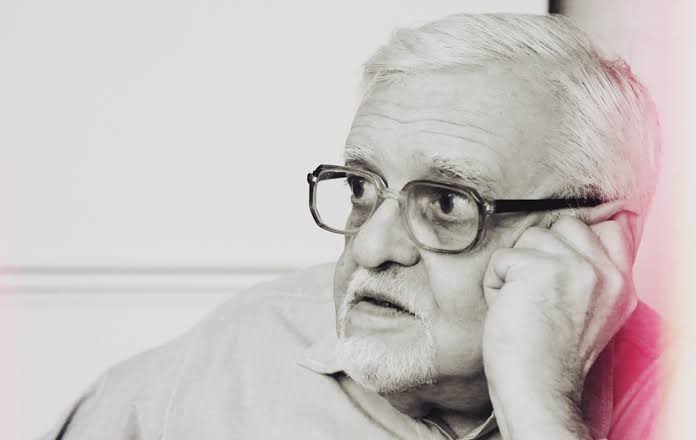
– 작품
재즈와 클래식을 융합한 독특한 작품을 가지고 있다.
또한 카푸스틴 자신이 뛰어난 피아니스트인 점에서 고도의 연주 기교를 요구하는 피아노 곡을 다수 작곡하고 있다.
- 주요 작품
대표작으로는 「8개의 콘서트를 위한 연습곡 작품번호40」, 「24개의 전주곡 작품번호53」, 「피아노 소나타 제2번 작품번호54」 등이 있다.
피아노 소나타(20곡)
피아노 협주곡(6곡)
바이올린 소나타 작품번호70
24개의 전주곡과 푸가 작품번호82
현악 사중주 작품번호88

○ Nikolai Kapustin – Eight Concert Etudes, Op. 40
Nikolai Kapustin (1937 – 2020) – Eight Concert Etudes, Op. 40 (1984)
I. Prelude. Allegro Assai [0:00]
II. Reverie. Moderato [2:08]
III. Toccatina. Allegro [5:07]
IV. Remembrance. Larghetto [7:22]
V. Raillery. Vivace [11:21]
VI. Pastorale. Allegro moderato [13:40]
VII. Intermezzo. Allegretto [16:11]
VIII. Final. Prestissimo [19:47]
Nikolai Kapustin, piano (2000)
For stylistic breadth, formidable technical challenges, and audacious invention, the Eight Concert Études, Op. 40 (1984) more than hold their own with the genre’s celebrated benchmarks, from Liszt and Lyapunov to Godowsky’s retooled Chopin and Earl Wild’s Gershwin transformations.
No. 1 (Allegro assai) tears out from the starting gate with a twelve-bar introduction that quickly transports us to the crowded streets of Rio de Janeiro at the height of Carnival season.
Yet for all the music’s giddy groove and melodic uplift, its tempestuous, Chopinseque figurations never relent.
Nor do the second Étude’s equally difficult yet gentler double notes that provide a contemporary counterpart to Rachmaninov’s Prelude Op. 23 No. 9.
Its outer sections filter Arensky and Lyapunov through Kapustin’s jazz-tinted eyeglasses, in contrast to pure, unadulterated jazz fantasia characterizing the central episode.
The first Étude’s Latino elements come more aggressively to the fore in the Toccatina (No. 3), with the young, passionate Scriabin peeking in at fleeting lyrical moments.
Repeated notes jump from register to register, suggesting the dapper syncopations of Gershwin’s Rhapsody in Blue.
Imagine the long, gorgeously discursive lines Chick Corea spins out in his unaccompanied improvisations against a slow and steady, processional-like left-hand accompaniment (think Erik Satie’s Gymnopédies, or Bill Evans’ Peace Piece) alternating between 3/4 and 4/4 time, and you’ve got the essence of Étude No. 4. At times the textural tables turn, so to speak, as the filigree descends into the piano’s lower depths, while the billowy left-hand chords, in turn, gain altitude and get to sing out the piece’s big tunes in the process.
In No. 5 Kapustin subjects the classic twelve-bar blues form to a playful boogie-woogie treatment, replete with whirling barrelhouse licks, Leonard Bernstein accents that are unpredictable enough to cause an ‘age of anxiety’ on the performer’s part.
Happily, Kapustin’s sophisticated reharmonizations never detract from the music’s earthy core.
The multi-strain formula employed so effectively in Scott Joplin’s rags and James P Johnson’s stride showpieces finds a modern counterpart in Étude No. 6, albeit with twists and turns that wouldn’t have happened without Stephen Sondheim.
And just as Sondheim’s Follies pastiches the styles of Broadway’s first golden age (Gershwin, Porter, Kern, Berlin), so Étude No. 7’s disarming tunefulness evokes a subsequent generation of American musical theatre giants (Frank Loesser, Cy Coleman, Charles Strouse, Jerry Herman).
Behind the music’s easy lope, however, lies some dazzling piano writing, including extensive, exposed passages in thirds. No. 8 (Prestissimo) is similar in style and mood to Nos 1 and 3, but more compact.”
크리스천라이프 편집부