서적소개
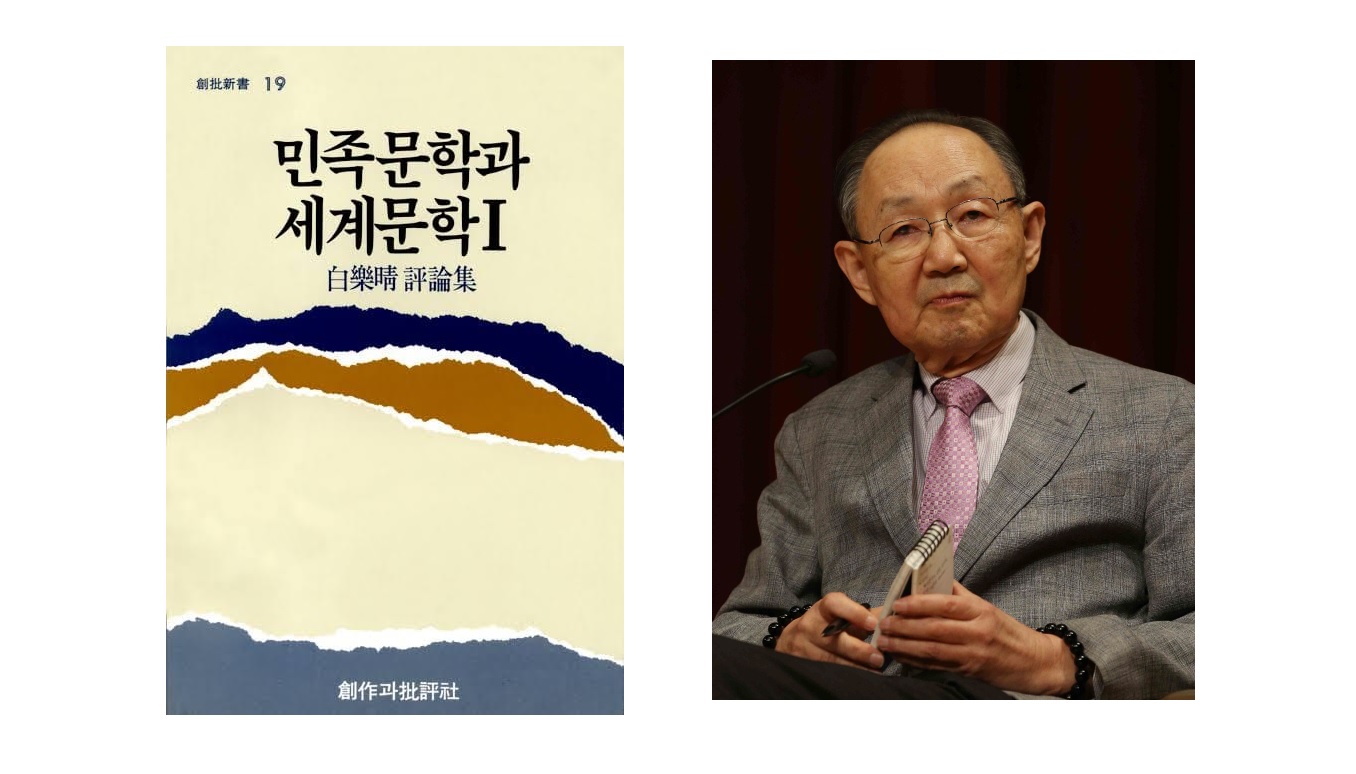
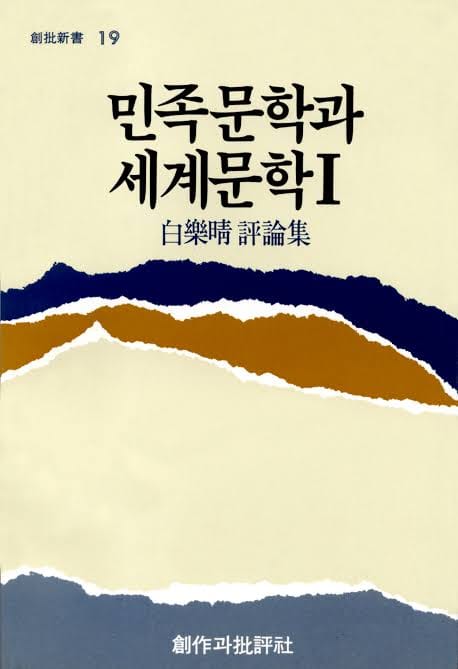
민족문학과 세계문학 1
백낙청 / 창작과비평 / 1978.3.15
영문학 교수로서, 창비 편집자로서 그리고 양식있는 시민의 한 사람으로서 우리 문단과 사회의 발전에 공헌해온 저자의 첫 평론집. 문학평론의 형태로 표현된 그의 이론적 탐구는 이 시대의 뛰어난 정신적 결실로서 우리 문학과 세계문학에 대한 새로운 시각을 열어준다. 제2회 심산상 수상.
○ 목차
머리말
Ⅰ
시민문학론
1. 시민과 소시민
2. 서구 시민문학의 전통
3. 한국의 전통과 시민의식
4. 1960년대의 한국문학
한국문학과 시민의식
문학적인 것과 인간적인 것
Ⅱ
민족문학 개념의 정립을 위해
현대문학을 보는 시각
역사적 인간과 시적 인간
1. 서론: 민족문학론의 현황
2. 현실과 작품: 형식과 내용의 문제 재론
3. 역사적인 것과 거룩한 것
4. 와 민족문제
Ⅲ
콘래드문학과 식민지주의
시와 민중언어
『문학과 예술의 사회사』 해설
D H 로렌스의 소설관
Ⅳ
한국소설과 리얼리즘의 전망
김수영의 시세계
시집 『농무(農舞)』의 발간에 붙여
문화연구의 자세와 민족문학
변두리 현실의 문학적 탐구
방영웅의 단편들
사회현실과 작가의식
예술의 민주화와 인간회복의 길
분단시대 문학의 사상
문화의 대중성과 예술성
Ⅴ
새로운 창작과 비평의 자세
1. 문학의 순수성을 어떻게 볼 것인가
2. 문학의 사회기능과 독자
3. 한국의 문학인은 무엇을 할까
4. 회고와 전망
수상정보
저자 소개
○ 저자소개 : 백낙청 (白樂晴, Paik, Nak-chung)
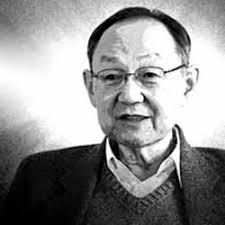
1938년생. 고교 졸업 후 도미하여 브라운대와 하바드대에서 수학. 후에 재도미하여 1972년 하바드대에서 D. H. 로런스 연구로 영문학 박사학위를 받았다. 1966년 계간 『창작과비평』을 창간했으며 서울대 영문과 교수, 민족문학작가회의 이사장, 시민방송 RTV 이사장, 6·15공동선언실천남측위원회 상임대표 등을 역임하며 민족문학론을 전개하고 분단체제의 체계적 인식과 실천적 극복에 매진해왔다. 현재 서울대 명예교수, 계간 『창작과비평』 명예편집인, 한반도평화포럼 명예이사장으로 있다.
『민족문학과 세계문학 1/인간해방의 논리를 찾아서』(합본개정판) 『민족문학과 세계문학 2』 『민족문학의 새 단계: 민족문학과 세계문학 3』 『통일시대 한국문학의 보람: 민족문학과 세계문학 4』 『문학이 무엇인지 다시 묻는 일: 민족문학과 세계문학 5』 등의 문학평론집과 『백낙청 회화록』(전7권)을 냈고, 『분단체제 변혁의 공부길』 『흔들리는 분단체제』 『한반도식 통일, 현재진행형』 『어디가 중도며 어째서 변혁인가』 『2013년체제 만들기』 등의 사회평론서와 『변화의 시대를 공부하다』 『문명의 대전환을 공부하다』 등 다수의 공저서 및 편저서가 있다. 제2회 심산상, 제1회 대산문학상(평론부문), 제14회 요산문학상, 제5회 만해상 실천상, 제11회 늦봄문익환통일상, 제11회 한겨레통일문화상, 제3회 후광김대중학술상 등을 수상했다.
………………………………
Born in Korea in 1938, Paik Nak-chung received a B.A. from Brown University, Providence RI, and an M.A. (1960) and a Ph.D. (1972) in English Literature from Harvard University, Cambridge MA. He joined the faculty in the English Department of Seoul National University in 1963. In 1966, he founded the Quarterly Changbi, which has become a leader in critical intellectual discourse, at the forefront of the progressive and democratic movement in Korea for more than half a century.
Since the founding of Changbi, Paik has spearheaded the cause of a national literature, while working indefatigably to promote a systematic understanding and practical overcoming of the division system on the Korean peninsula. Throughout his professional life, he has served in numerous leadership positions within the democratization movement, including as chairman of the board of the Writers Association of Korea; chairman of the board of RTV, the citizen’s broadcasting station; and South Korean chair of the All-Korean Committee for Implementation of the June 15 Joint Declaration. Throughout most of 1970s and 1980s, he suffered persecution from the military regime, including being dismissed from Seoul National University in 1974 for participating in the movement for a democratic constitution, to be reinstated at the university in 1980. Furthermore, the Quarterly Changbi, under his editorship, was banned from 1980 to 1988.
Paik Nak-chung has authored numerous books—groundbreaking, thoughtful, and incisive—in both literary criticism and social criticism. His works in the former genre include National Literature and World Literature 1 (1978), In Search of the Logic of Human Liberation (1979), National Literature and World Literature 2 (1985), The New Stage of National Literature (1990), Rewards of Korean Literature in the Age of Reunification (2006), and Again Questioning What Is Literature (2011). His works in social criticism include The Path of Practice for Transforming the Division System (1994), The Division System in Crisis (1998), Unification Korean-Style, Present Progressive Tense (2006), and Where Is the Middle Way and Wherefore Transformation? (2009), Creating the 2013 System(2012). In addition, Paik has edited or co-authored many works, including the seven-volume Conversations with Paik Nak-chung(2017), Studying a Changing Age: The Division System and the Transformative Middle Way (2018), and Toward a Great Turn in Civilization: The Double Project of Modernity (2018).
Paik Nak-chung has received numerous awards, including the 2nd Simsan Prize (1987), the 1st Daesan Literary Prize in Criticism (1993), the 14th Yosan Literary Award (1997), the 5th Manhae Prize for Activism (2001), the 11th Reverend Moon Ik-hwan Unification Award (2008), the 11th Hankyoreh Unification and Culture Award (2009), and the 3rd Kim Dae-jung Academic Award (2009).
Currently, as editor emeritus of the Quarterly Changbi, professor emeritus at Seoul National University, and director emeritus of the Korea Peace Forum, Paik Nak-chung continues to write and labor for progressive causes and unification in Korea.
○ 민족문학 (民族文學)과 국민문학, 그리고 세계문학
민족문학 民族文學), 민족의 자기 존재에 대한 문학적 인식과 그 형상성을 추구하는 문학이다.
반봉건, 반식민에 해당하는 문학을 곧 민족문학으로 보는데, 이는 해방직후 민족문학의 이념과 맥을 같이 한다. 직업화에 대응한 국민문학은 민족문학과 맥을 같이한다.
세계문학이란 국민문학(National Literature), 또는 민족문학을 대응 개념으로 갖는 세계 문학이다.
– 한국 국민문학 운동
1920년대 중반부터 문단을 휩쓸던 프로 문학에 대항하여 대두된 문학론. 국민 문학 운동은 프로 문학의 계급주의와 정치적 목적 의식을 배척하고, 민족주의적 입장에서 한국 문학의 부활을 주장한 문학론이다.
최남선의 조선주의와 시조 부흥 운동, 한글 운동 등과 이광수·김동인 등의 역사 소설 집필, 염상섭 등의 국민 문학론 등이 그 주축을 이루었다.
카프의 김기진 등과 격렬한 논쟁을 전개하기도 하였으며, 국수주의적인 면을 짙게 나타내기도 했다.
국민 문학 운동의 주동 인물로는 최남선, 이병기, 이은상, 이광수, 김영진, 조은, 염상섭, 주요한, 양주동 등이 있다.
크리스천라이프 편집부