
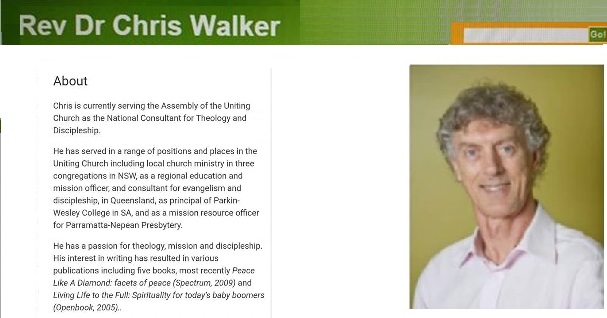
with Rev Dr Chris Walker
Revenge and Forgiveness
I enjoy watching some of the Nordic noir series on SBS. A recent one was “Black Sands” set in Iceland. A woman’s body was found at the bottom of a cliff on a black sands beach. At first it was thought to be an accident – a tourist took a misstep and fell. Then there was suspicion of murder. Other accidents had also taken place, more than you would expect. The outcome was that the local doctor was responsible. The motive behind the murders, leading to killing three other people closer to him, arose from his abusive upbringing. He hated his mother for how she treated him, which led to hating other women who mistreated those under their care, to murdering tourist women who did not have to have an autopsy as that only was required for Icelandic people. As the local doctor he could pronounce the deaths as accidents. For me, this series raised the issue of revenge and from a Christian perspective that of forgiveness also.
Revenge is a strong motivator for good reason. When people have been abused, when people have suffered at the hands of others especially when loved ones have been killed, then wanting to pay the person or group responsible back is understandable. In smaller societies in the past, such as indigenous societies, there were means by which this took place. The usual expectation was “an eye for and eye and a tooth for a tooth.” A life for a life – though often there were other ways to satisfy the aggrieved family or group such as payment.
When suffering takes place over a period of time and is experienced as grossly unjust then the desire for revenge, not just recompense, is frequently the outcome. Antipathy between ethnic groups or nations when violence and warfare have taken place has a lasting effect. People do not readily forgive and forget when they have had loved ones killed by others over disputes of land or because they are different in race or religion.

In our current world many examples come to mind. The brutal Russian invasion of Ukraine will not be forgotten. It amazes me that Vladimir Putin and Russian leaders think they can violently attack Ukraine often targeting civilian areas and murdering innocent people and believe they are justified. The outcome will be hatred of those responsible and no doubt the desire for revenge. How Russian leaders think they will be able to rule Ukraine peacefully in the future should they win the war does not seem to have been considered. Brutal empires may rule by force for a time but do not last.
The Palestine – Israel conflict is ongoing. Decisions after the Second World War led to the state of Israel being established and Palestinians losing out. Continual conflict between the two groups has been the result with Israel having the superior weapons and so inflicting the greatest harm. The outcome needs to be a two-state solution but achieving this is problematic. Meanwhile the Israeli people feel threatened and unsafe and the Palestinians feel the injustice of what has taken place, especially when Israel continues to appropriate more land and impose restrictions on them.
Other examples are not hard to find. Tens of thousands of Rohingya people were forcibly displaced from their villages in Myanmar due to being of a different ethnic and religious group. The military violently attacked them and made them leave. They now live in refugee camps in neighbouring countries with little prospect of returning to their homes with the current leadership in Myanmar.
In Genesis chapter 4 there is an ancient song. In it Lamech says: “I have killed a man for wounding me, a young man for striking me. If Cain is avenged sevenfold, truly Lamech seventy-sevenfold” (Genesis 4: 23-24). Originally the song was probably sung in praise of Lamech for his strong man actions. In fact, it illustrates the increase in violence from a measured response to unlimited revenge.
The counter response of Jesus comes when Peter asked how often he should forgive – as much as seven times? Jesus answered, “Not seven times, but I tell you, seventy-seven times” (Matthew 18:21-22). For Jesus there was no limit to love and forgiveness. He rejected the way of revenge. Jesus spoke of non-violent responses to evildoers. He said, “You have heard that it was said, ‘An eye for and eye and a tooth for a tooth.’ But I say to you. Do not resist an evildoer” (Matthew 5:38-39). However, he does not recommend just being passive. People are to find appropriate non-violent actions to take. He goes on to say, “You have heard that it was said, ‘You shall love your neighbour and hate your enemy.’ But I say to you, Love your enemy and pray for those who persecute you” (Matthew 5:43-44).
This is hard teaching from Jesus. Practicing such love and forgiveness is extremely difficult if one has suffered at the hands of others. It is certainly not a matter of forgetting what has happened. We are now more aware of the importance of truth telling so that what has happened in the past is acknowledged as wrong. Armenian people want the genocide that happened to their people at the hands of Turks a hundred years ago to be noted. The South African government wisely set up a Truth and Reconciliation Commission to hear the stories of those who suffered under the apartheid system. In Australia there is more to be done to acknowledge the massacres and mistaken policies of the white rulers in order to move into a better future.
Revenge may bring short term satisfaction but does not lead to positive outcomes. There is the need to break the cycle of violence, to go beyond hatred and resentment. Jesus shows us the way even if it is hard, namely the way of peaceful responses to violence and a willingness to love and forgive. This will not come readily or easily, but is the way to a better world for all.
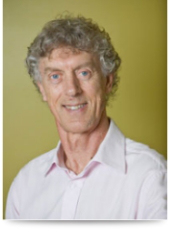
Chris Walker
http://revdrchriswalker.wordpress.com/
Chris is currently serving the Assembly of the Uniting Church as the National Consultant for Theology and Discipleship.
He has served in a range of positions and places in the Uniting Church including local church ministry in three congregations in NSW, as a regional education and mission officer, and consultant for evangelism and discipleship, in Queensland, as principal of Parkin-Wesley College in SA, and as a mission resource officer for Parramatta-Nepean Presbytery.
He has a passion for theology, mission and discipleship. His interest in writing has resulted in various publications including five books, most recently Peace Like A Diamond: facets of peace (Spectrum, 2009) and Living Life to the Full: Spirituality for today’s baby boomers (Openbook, 2005).
복수와 용서
나는 SBS에서 북유럽 느와르 시리즈를 보는 것을 즐긴다. 최근 작품은 아이슬란드를 배경으로 한 ‘검은 모래’였다. 검은 모래 해변의 절벽 아래에서 여성의 시신이 발견되었다. 처음에 그것은 사고로 생각되었다. 관광객이 잘못 밟아 넘어졌다. 이어 살인 의혹이 제기됐다. 다른 사고도 예상보다 많이 발생했다. 결과는 지역 의사가 책임이 있다는 것이었다. 그에게 더 가까운 세 명의 다른 사람들을 살해하게 한 살인의 동기는 그의 학대적인 양육에서 비롯되었다. 그는 어머니가 자신을 대하는 방식을 미워했고, 그로 인해 자신의 보살핌을 받는 사람들을 학대하는 다른 여성을 미워했고, 아이슬란드 사람들에게만 요구되는 부검을 할 필요가 없는 관광객 여성을 살해했다. 지역 의사로서 그는 죽음을 사고로 선언할 수 있었다. 저에게 이 시리즈는 복수의 문제를 제기했고 기독교적 관점에서 용서의 문제도 제기했다.
복수는 정당한 이유가 있는 강력한 동기다. 사람들이 학대를 당했을 때, 특히 사랑하는 사람이 살해당했을 때, 사람들이 다른 사람의 손에 고통을 겪었을 때 책임이 있는 사람이나 그룹에게 갚고 싶은 것은 이해할 수 있다. 전통 사회와 같은 과거의 소규모 사회에는 이러한 일이 발생하는 수단이 있었다. 일반적인 기대는 “눈에는 눈, 이에는 이로”였다.
고통이 일정 기간 동안 발생하고 극도로 부당한 것으로 경험되면 종종 보상이 아닌 복수에 대한 열망이 결과로 나타난다. 폭력과 전쟁이 일어났을 때 민족 집단이나 국가 간의 반감은 오래 지속된다. 사람들은 토지 분쟁이나 인종이나 종교가 다르다는 이유로 사랑하는 사람을 다른 사람에게 살해한 경우 쉽게 용서하고 잊어버린다.
현 세상에서는 많은 예가 떠오른다. 러시아의 잔인한 우크라이나 침공은 잊혀지지 않을 것이다. 블라디미르 푸틴과 러시아 지도자들이 종종 민간인 지역을 목표로 하고 무고한 사람들을 살해하고, 우크라이나를 폭력적으로 공격할 수 있다고 생각하고, 그들이 정당하다고 믿는 것이 놀랍다. 그 결과 책임자에 대한 증오심과 복수심에 대한 열망이 있을 것이다. 러시아 지도자들이 전쟁에서 승리한다면 앞으로 우크라이나를 평화롭게 통치할 수 있을 것이라고 생각하는 것은 고려되지 않은 것 같다. 잔혹한 제국은 한동안 무력으로 통치할 수 있지만 지속되지는 않는다.
팔레스타인-이스라엘 분쟁이 진행 중이다. 제2차 세계 대전 이후의 결정으로 이스라엘 국가가 수립되고 팔레스타인은 패배했다. 두 그룹 사이의 계속되는 갈등은 이스라엘이 더 우수한 무기를 보유하고 있으므로 가장 큰 피해를 입힌 결과였다. 한편 이스라엘 사람들은 위협받고 안전하지 않다고 느끼며, 팔레스타인 사람들은 특히 이스라엘이 계속해서 더 많은 땅을 점유하고 그들에게 제한을 가할 때 일어난 일에 대한 부당함을 느낀다.
다른 예는 찾기 어렵지 않다. 수만 명의 로힝야족이 다른 민족과 종교 집단이라는 이유로 미얀마의 마을에서 강제 이주당했다. 군대는 그들을 난폭하게 공격하고 그들을 떠나게 만들었다. 그들은 현재 미얀마의 지도력으로 집으로 돌아갈 가능성이 거의 없는 이웃 국가의 난민 캠프에서 살고 있다.
창세기 4장에는 고대 노래가 있다. 성서에서 라멕은 이렇게 말한다. 가인의 복수가 일흔일곱 배라면 라멕의 원수는 일흔일곱 배나 된다”(창세기 4:23-24). 원래 이 노래는 라멕의 강인한 행동을 찬양하기 위해 부른 노래였을 것이다. 사실, 그것은 무제한 복수에 대한 대응에서 폭력의 증가를 보여준다.
베드로가 얼마나 자주 용서해야 하느냐고 예수님께 물었을 때 일곱 번까지 하시겠습니까?라고 했다. 예수님은 “일곱 번이 아니라 일흔 일곱 번이라도 네게 이르노니”(마태복음 18:21-22)라고 대답하셨다. 예수님에게는 사랑과 용서에 한계가 없었다. 그는 복수의 길을 거부했다. 예수님은 행악자들에 대한 비폭력적인 대응에 대해 말씀하셨다. “눈은 눈으로, 이는 이로” 하였다는 것을 너희가 들었으나 내가 너희에게 이르노니 행악자를 대적하지 말라”(마태복음 5:38-39). 그러나 그는 단순히 수동적인 태도를 권장하지 않는다. 사람들은 취할 적절한 비폭력 행동을 찾아야 한다. “네 이웃을 사랑하고 원수를 미워하라 하였다는 것을 너희가 들었으나 내가 너희에게 이르노니 너희 원수를 사랑하며 너희를 핍박하는 자를 위하여 기도하라” (마태복음 5:43- 44).
이것은 예수님의 어려운 가르침이다. 그러한 사랑과 용서를 실천하는 것은 다른 사람의 손에 고통을 겪었다면 매우 어렵다. 확실히 무슨 일이 일어났는지 잊어버리는 문제가 아니다. 우리는 이제 과거에 일어난 일을 잘못된 것으로 인정하기 위해 진실을 말하는 것의 중요성을 더 잘 알고 있다. 아르메니아 사람들은 100년 전 터키인의 손에 의해 그들의 사람들에게 일어난 대량 학살이 주목되기를 원한다. 남아프리카 공화국 정부는 아파르트헤이트 체제 하에서 고통받는 사람들의 이야기를 듣기 위해 현명하게 진실과 화해 위원회를 설립했다. 호주에서는 더 나은 미래로 나아가기 위해 백인 통치자들의 학살과 잘못된 정책을 인정하기 위해 해야 할 일이 더 많다.
복수는 단기적 만족을 가져올 수 있지만 긍정적인 결과로 이어지지는 않는다. 증오와 원한을 넘어서 폭력의 고리를 끊을 필요가 있다. 예수님은 비록 험난하더라도 우리에게 그 길, 즉 폭력에 평화롭게 대응하는 방법과 기꺼이 사랑하고 용서하는 방법을 보여 주신다. 이것은 쉽게 또는 쉽게 오지 않을 것이지만 모두를 위한 더 나은 세상으로 가는 길이다.
번역 = 크리스천라이프 편집부