

with Rev Dr Chris Walker
Alan Walker (Biographical sketch 1)
Rev Dr Sir Alan Walker is best remembered for his evangelistic ministry which held together the personal and social dimensions of the gospel, for starting Lifeline the telephone counselling service that became an international movement, and for his prophetic stance on social issues such as opposing the White Australia policy, the Vietnam War and Apartheid in South Africa. He became well known in Australia when he led the “Mission to the Nation” program of the Methodist Church in the 1950s. He was a regular on television especially through the high rating “I Challenge the Minister” program, and was constantly in the various media. Internationally he was a frequent guest speaker to other nations such as the USA and South Africa. When he became the Director of World Evangelism for the World Methodist Council he travelled constantly to the many countries with Methodist Churches and had a significant impact through his powerful speaking and writing.
Biographical sketch (1)
Alan Walker
Rev Dr Sir Alan Walker was one of Australia’s best known Christian leaders. He is remembered for the way he consistently held together the personal and social dimensions of the Christian faith in his preaching and ministry.
His father was a Methodist minister and evangelist. The most dramatic memory of Alan’s boyhood was of a hot Sunday afternoon when he travelled with his father from their home at Wallsend to the Boolaroo Methodist Church. Alan didn’t remember what his father preached that day but when, at the close of the service, he appealed to members of the congregation to give their lives to Christ, the preacher’s son was one of three who responded.
Early Ministry
Alan went on to candidate for the Methodist ministry in New South Wales and entered Leigh College. He was a very capable student and was encouraged to pursue his studies further. He served as a probationary minister at Hornsby where he met a young woman, Winifred Channon. He then served as a probationary minster at North Croydon. He was ordained in March 1935 becoming the minister at North Croydon. He also served as Associate Director of the Methodist Young People’s Department at this time.
In March 1938 he married Win Channon. Some leading lay people of the Malvern Hill Methodist Church, having been impressed by Alan, offered to pay a one way fare to England in order to further his ministry experience. They encouraged him to visit some of the vigorous Methodist mission churches there. So Alan and Win set off for England. In the year in England Alan had the opportunity to have contact with the three most notable Methodist leaders of the time: Donald Soper, William Sangster and Leslie Weatherhead. Also important was time with the evangelical Norman Dunning and contact with Hilda Porter, a missionary in China who founded Methodist International Houses. They visited the Continent where they attended a Faith and Order congress in Switzerland which included meeting William Temple, the Archbishop of Canterbury. In Germany they were very aware of the ominous presence of the Nazis. It was Soper, with his social witness, who was particularly significant. On the return ocean voyage to Australia Alan decided for Soper’s challenge to become a pacifist, renouncing violence and working positively for peace.
Back in Australia Alan was appointed to Cessnock in 1939. During this time he experimented in ministry, began regular radio broadcasts, and writing a column for The Cessnock Eagle. He completed his M.A. a sociological study published as Coal Town. This led to writing articles commenting on the coal mining situation and giving evidence at a national coal enquiry.
In 1944 he became superintendent of Waverley Methodist church. Here he developed a community centre that quickly attracted 500 young people regularly and was used for various programs. He became the religious editor of the Sydney Morning Herald in 1946 following an exchange with the owner and editor of the paper. In 1948 he represented the Australian Methodist church at the first assembly of the World Council of Churches in Amsterdam. In 1949 he was asked by the prime minister of Australia to be an advisor to the Australian delegation to the United Nations which was to discuss the imprisonment of church leaders in Hungary and Bulgaria.
Mission to the Nation
In 1951 the Methodist church decided to have a crusade for Christ and chose Alan Walker as the person to lead it. A six week program of university missions in the USA gave him new experiences, contacts and stimulus. In 1952 the Mission to the Nation was planned with the assistance of Sim Rubensohn, the head of an advertising agency, who Alan had helped pastorally. Missions were planned for the capital cities, selected provincial cities, use of radio which included a radio series “Drama with a Challenge,” press publicity and a book. Alan wrote the Mission to the Nation book Heritage with out End, the story of Australian Methodism, which sold 50,000 copies.
When the large opening of Mission to the Nation in Melbourne was drawing near, Alan was anxious. He walked into the stillness and gathering darkness of the Australian bush. Beneath the towering gum trees he lay on the ground, on the dry autumn grass, and tried to pray. The conversation between Jesus and Nicodemus in Jerusalem came to mind. Jesus spoke about the wind which blows where it will, you hear the sound of it, but you do not know where it comes from or where it goes. So it is with everyone who is born of the Spirit. He later wrote, “As I thought of it all there came to my mind, there in that Australian bush, a simple sentence. The wind is in the gum trees! The wind is in the gum trees! It was to me a promise. I knew that God would bless the Mission to the Nation. We would hear the wind of the Spirit blowing across Australia.”
The opening of the Mission to the Nation in April 1953 had a crowd estimated at 6,000 and was described on the front page of The Melbourne Ageas “one of the greatest evangelistic events Melbourne has seen.” The opening was broadcast live on 23 radio stations and reported in dozens of newspapers across the country. Over the next six months the response exceeded all expectations. There were big audiences wherever Alan came with his Christian message of personal and social challenge and invitation. The thanksgiving service in September 1953 in the Sydney Town Hall with overflow venues had a broadcast audience of some 500,000.
The church decided to extend the Mission to the Nation beyond the initial six month period into 1954-55. A National Christian Youth Convention was held at the Sydney Showgrounds in January 1955 with 3,000 young people attending. Mission to the Nation was the largest religious event seen in Australia to that time and paved the way for the huge crowds Billy Graham later received in his 1959 visit to Australia.
Following the success of Mission to the Nation, the Methodist Church in the USA through the General Board of Evangelism invited him to conduct similar missions across North America in 1956. So Alan and Win and their four children moved to Nashville. This also meant some contact with the United Church of Canada. In 1957 he accepted the position of visiting professor of evangelism at Boston University for a semester. The family then spent some time in England and Europe before returning by ship to Australia through the Suez Canal. In a stop over in the Middle East, Alan arranged as many contacts as possible which included dialogue with Arab and Muslim leaders, including the President of Syria.
인물 소개 (1)
앨런 워커
앨런 워커 목사(박사)는 호주에서 가장 잘 알려진 기독교 지도자 중 한 명이었습니다. 그는 설교와 사역에서 기독교 신앙의 개인적 차원과 사회적 차원을 일관되게 조화시킨 방식으로 기억됩니다.
그의 아버지는 감리교 목사이자 전도자였습니다. 앨런의 어린 시절 가장 인상적인 기억은 무더운 일요일 오후, 아버지와 함께 월센드에 있는 집에서 불라루 감리교회로 갔던 일입니다. 앨런은 그날 아버지가 무슨 설교를 했는지는 기억하지 못하지만, 예배 말미에 아버지가 회중에게 그리스도를 영접하라고 권했을 때, 세 명 중 한 명이 바로 아버지였습니다.
초기 사역
앨런은 뉴사우스웨일스에서 감리교 목사 후보생이 되어 리 칼리지에 입학했습니다. 그는 매우 유능한 학생이었고, 학업을 계속하도록 격려받았습니다. 그는 혼스비에서 수습 목사로 사역하면서 위니프레드 채넌이라는 젊은 여성을 만났습니다. 그는 노스 크로이던에서 수습 목사로 사역하다가 1935년 3월에 정식 목사 안수를 받고 노스 크로이던 교회의 담임목사가 되었습니다. 이 시기에 그는 감리교 청소년부의 부국장으로도 활동했습니다.
1938년 3월, 그는 윈 채넌과 결혼했습니다. 맬번 힐 감리교회의 주요 평신도들은 앨런에게 깊은 인상을 받아 그의 목회 경험을 넓힐 수 있도록 영국행 편도 항공권을 지원해 주었습니다. 또한, 영국에서 활발하게 활동하는 감리교 선교 교회들을 방문해 보라고 권유했습니다. 이에 앨런과 윈은 영국으로 떠났습니다. 영국에서 보낸 1년 동안 앨런은 당시 가장 영향력 있는 감리교 지도자 세 명, 도널드 소퍼, 윌리엄 상스터, 레슬리 웨더헤드와 교류할 기회를 가졌습니다. 복음주의자 노먼 더닝과의 만남, 그리고 중국에서 선교 활동을 하며 감리교 국제회를 설립한 힐다 포터와의 교류 또한 중요한 경험이었습니다. 그들은 유럽 대륙을 방문하여 스위스에서 열린 신앙과 질서 대회에 참석했고, 그곳에서 캔터베리 대주교 윌리엄 템플을 만났습니다. 독일에서는 나치의 위협적인 존재감을 모두가 잘 알고 있었습니다. 특히 사회 운동가 소퍼의 활동은 큰 영향을 미쳤습니다. 호주로 돌아오는 배 안에서 앨런은 소퍼의 도전을 받아들여 폭력을 버리고 평화를 위해 적극적으로 활동하기로 결심했습니다.
호주로 돌아온 앨런은 1939년 세스녹 교구에 부임했습니다. 이 시기에 그는 목회 활동을 시도하고, 정기적인 라디오 방송을 시작했으며, 세스녹 이글 신문에 칼럼을 기고했습니다. 그는 사회학 연구로 석사 학위를 취득했고, 이 연구는 『석탄 도시(Coal Town)』라는 제목으로 출판되었습니다. 이를 계기로 그는 석탄 채굴 상황에 대한 기사를 쓰고 전국 석탄 조사 위원회에서 증언하기도 했습니다.
1944년 그는 웨이버리 감리교회의 감독이 되었습니다. 이곳에서 그는 지역 사회 센터를 설립했는데, 이 센터는 금세 500명의 젊은이들이 정기적으로 찾는 곳이 되었고 다양한 프로그램들이 운영되었습니다. 1946년에는 신문사 사장 겸 편집자와의 교류를 통해 시드니 모닝 헤럴드의 종교 담당 편집자가 되었습니다. 1948년, 그는 암스테르담에서 열린 제1차 세계교회협의회 총회에 호주 감리교회 대표로 참석했습니다. 1949년에는 호주 총리의 요청으로 헝가리와 불가리아에서 투옥된 교회 지도자들에 대한 문제를 논의하기 위해 유엔에 파견된 호주 대표단의 자문위원으로 활동했습니다.
국가 선교
1951년, 감리교회는 그리스도를 위한 부흥회를 개최하기로 결정하고 앨런 워커를 지도자로 선정했습니다. 미국에서 6주간 진행된 대학생 선교 프로그램은 그에게 새로운 경험과 인맥, 그리고 영감을 주었습니다. 1952년, 그는 광고 대행사 대표이자 이전에 목회적으로 도왔던 심 루벤손의 도움을 받아 ‘국가 선교’ 계획을 수립했습니다. 주요 도시와 일부 지방 도시에서의 선교 활동, 라디오 방송(라디오 시리즈 “도전과 함께하는 드라마” 포함), 언론 홍보, 그리고 책 출판 등이 계획되었습니다. 앨런은 선교 사업의 일환으로 호주 감리교의 역사를 담은 책, 『끝없는 유산(Heritage with out End)』을 썼는데, 이 책은 5만 부가 팔렸습니다.
멜버른에서 열릴 선교 사업 개막식이 다가오자 앨런은 초조했습니다. 그는 고요함과 어둠이 짙어지는 호주 오지로 들어갔습니다. 우뚝 솟은 유칼립투스 나무 아래, 마른 가을 풀밭에 엎드려 기도하려 애썼습니다. 예루살렘에서 예수님과 니고데모의 대화가 떠올랐습니다. 예수님은 바람이 마음대로 불고, 소리는 들리지만 어디서 오는지 어디로 가는지 알 수 없다고 말씀하셨습니다. 성령으로 난 사람도 마찬가지입니다. 그는 나중에 이렇게 썼습니다. “그 모든 것을 생각하던 중, 호주 오지에서 문득 한 문장이 떠올랐습니다. ‘바람이 유칼립투스 나무 사이로 불어온다! 바람이 유칼립투스 나무 사이로 불어온다!’ 그것은 제게 약속과 같았습니다. 하나님께서 선교 사업을 축복해 주실 것을 알았습니다. 우리는 성령의 바람이 호주 전역에 불어오는 것을 듣게 될 것입니다.”
1953년 4월 대국민 선교회의 개막식에는 약 6,000명의 인파가 모였으며, 당시 상황은 다음과 같이 묘사되었습니다.
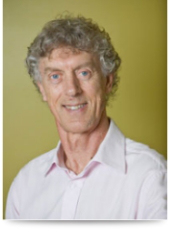
Rev Dr Chris Walker
(National Consultant Christian Unity, Doctrine & Worship)