
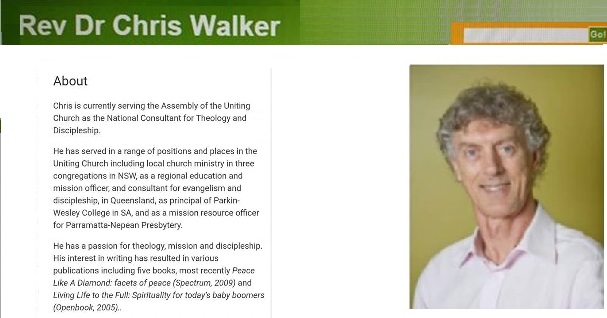
with Rev Dr Chris Walker
Valuing the World
In his famous song, “What a wonderful world” Louis Armstrong sings, “I see trees of green. Red roses too. I see them bloom for me and you. And I think to myself. What a wonderful world.”
We do live in a wonderful world. Astronomers looking at other planets do not see what this blue and green planet has with all its colour and life, its land and oceans, its polar areas and islands, its trees, plants, animals and insects. Yet we do not value the world enough. Humanity has become the dominant species and we have exploited the world our home with dire predictions for the future.
Five main factors have been identified by experts as contributors to the current environmental crisis. The first is overpopulation. Improvements in food production, sanitation and medicine have enabled the population to grow enormously and live longer. The world population in 1900 was 1.6 billion. This rose to 3 billion in 1960 when I was a child. By 2000 it had reached 6 billion. In 2025 it is over 8 billion and is likely to be over 9.5 billion by 2050. Then it might start declining which will be needed if we are to have a sustainable world. India has overtaken China as the world’s most populous nation, both with over 1.4 billion people. 16 nations have more than 100 million people.
Second is overconsumption. We are using the world’s resources at an unsustainable rate. The USA is the most conspicuous but Australians are also consuming more than most per head of our over 27 million population.
Third is the use of technology that damages ecosystems. This ranges from massively clearing land and cutting down trees, to using enormous fish nets in the oceans, to having huge mining operations on land and sea. The outcome is to reduce forests, destroy habitat, overfish and risk making the environment unable to regenerate.
Fourth is political and economic systems that encourage the degradation of nature. Establishing cash crops for export for example rather than seeking sustainably to feed people results in using land in a way that takes away its diversity. Native creatures are not able to live in such areas. Local people are disadvantaged. The rich and powerful benefit.
Finally, are anthropocentric attitudes towards nature. Humans think the world is for them to exploit for their own benefit. We are the supreme species and can dominate the world with our technology and numbers. Instead, we need to appreciate that the world is like our mother who sustains us and other creatures are like our brothers and sisters. St Francis had this attitude centuries ago. Indigenous people have this attitude to the land, the waters and other creatures.
There are many people who have been alerting us to the environmental crisis and the need to act differently for the sake of the planet and all that live here. From David Attenborough to Jane Goodall, there are those who have tried to alert us to the need to care for the earth and its creatures and that we are part of nature not separate or above it. We need both to think differently and to act differently.
In the Christian community there are those who have highlighted the need to move beyond an anthropocentric stance to one that appreciates we are all connected to nature. One significant group is the Earth Bible Project that stems from Adelaide in South Australia. Another is the “Use of the Bible in Environmental Ethics” project from the University of Exeter in the UK. Other influences are animal studies and non-human theory. Ecological interpretations broaden human focused ones when reading the Bible. In Christian history we have the example of people such as St Francis and Albert Schweitzer who were sensitive to more than the human community.
We can broaden our anthropocentric perspective to recognize that we are not the only species that matters. We can change our practices so that habitat is preserved, other creatures are recognised to have intrinsic value and that we too benefit when biodiversity is affirmed. Many of us are aware of the renewing effect that being out in nature provides, whether it is by the ocean or in the bush. We are stimulated when we see other creatures – an unusual bird, a big lizard, a whale – that we might be fortunate to see. On a much larger scale we need forests and oceans to flourish in order that the world’s weather continues to function in a way that enables human existence. At present with climate change, we are in danger of making the world a much less acceptable place to live. Those who continue to deny climate change, or are unwilling to make changes to mitigate it, make it harder to achieve the changes required. The effects of climate change are already upon us with more extreme weather events and rising ocean levels.
All of us have a part to play. We can personally be involved in local bush or beach care projects. We can live simply and recycle and not get caught up in consumerism. We can advocate for businesses, banks and politicians to act for the environment not against it. Many businesses are now recognising the need to move away from dependence on coal, gas and oil for energy. Banks can be called to account if they say they are pro the environment but continue to fund mining companies’ expansions for example. Mainstream politicians tend to be careful and are over-sensitive to conservative political parties and corporations that benefit from the current fossil fuel industry. We can call for greater action and endeavour to see that when policies are announced they are really acted upon.
My Christian faith calls me to do what I can. Realistically we will suffer the effects of climate change. We will see more species go extinct. Nevertheless, we can cooperate with God’s Spirit who I believe wants us to do better in caring for God’s good creation.
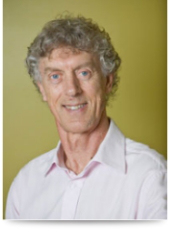
Chris Walker
http://revdrchriswalker.wordpress.com/
Chris is currently serving the Assembly of the Uniting Church as the National Consultant for Theology and Discipleship.
He has served in a range of positions and places in the Uniting Church including local church ministry in three congregations in NSW, as a regional education and mission officer, and consultant for evangelism and discipleship, in Queensland, as principal of Parkin-Wesley College in SA, and as a mission resource officer for Parramatta-Nepean Presbytery.
He has a passion for theology, mission and discipleship. His interest in writing has resulted in various publications including five books, most recently Peace Like A Diamond: facets of peace (Spectrum, 2009) and Living Life to the Full: Spirituality for today’s baby boomers (Openbook, 2005)
세상의 가치를 소중히 여기기
루이 암스트롱은 그의 유명한 노래 “What a Wonderful World”에서 이렇게 노래합니다. “푸른 나무들이 보이네요. 붉은 장미도요. 그것들이 나와 당신을 위해 피어나는 걸 보니, 문득 이런 생각이 들어요. 정말 아름다운 세상이구나.”
우리는 정말 아름다운 세상에 살고 있습니다. 다른 행성을 관측하는 천문학자들은 이 푸르고 초록빛 행성이 가진 다채로운 색깔과 생명, 땅과 바다, 극지방과 섬, 나무와 식물, 동물과 곤충들을 볼 수 없습니다. 하지만 우리는 세상의 가치를 충분히 소중히 여기지 않습니다. 인류는 지구를 지배하는 종이 되었지만, 우리의 보금자리인 지구를 착취해 왔고, 미래에 대한 암울한 전망을 품고 있습니다.
전문가들은 현재의 환경 위기에 기여하는 다섯 가지 주요 요인을 지적합니다. 첫째는 인구 과잉입니다. 식량 생산, 위생 및 의학의 발전으로 인구는 엄청나게 증가하고 수명도 길어졌습니다. 1900년 세계 인구는 16억 명이었지만, 제가 어렸을 적인 1960년에는 30억 명에 달했습니다. 2000년에는 인구가 60억 명에 달했습니다. 2025년에는 80억 명을 넘어섰고, 2050년에는 95억 명을 넘어설 것으로 예상됩니다. 그 이후에는 인구 감소가 시작될 가능성이 있는데, 지속 가능한 세상을 위해서는 이러한 인구 감소가 필수적입니다. 인도는 14억 명이 넘는 인구를 가진 중국을 제치고 세계에서 가장 인구가 많은 국가가 되었습니다. 현재 1억 명이 넘는 인구를 가진 나라는 16개국에 달합니다.
두 번째는 과소비입니다. 우리는 지속 불가능한 속도로 세계 자원을 소비하고 있습니다. 미국이 가장 두드러지지만, 호주 역시 2,700만 명이 넘는 인구 대비 소비량이 대부분의 국가보다 높습니다.
세 번째는 생태계를 파괴하는 기술의 사용입니다. 대규모 토지 개간과 벌목부터 바다에서 사용하는 거대한 어망, 육상과 해상에서의 대규모 채굴 작업에 이르기까지 다양합니다. 이러한 행위들은 삼림 감소, 서식지 파괴, 남획을 초래하고 환경의 재생 능력을 저해할 위험이 있습니다.
넷째는 자연 파괴를 조장하는 정치·경제 시스템입니다. 예를 들어, 지속 가능한 방식으로 사람들을 먹여 살리기보다는 수출용 환금작물을 재배하는 것은 토지의 생물 다양성을 파괴하는 방식으로 이어집니다. 토착 생물들은 그런 지역에서 살아갈 수 없게 되고, 지역 주민들은 불이익을 당하며, 부유하고 권력 있는 자들만이 이득을 봅니다.
마지막으로, 자연에 대한 인간 중심적 태도가 문제입니다. 인간은 세상이 자신들의 이익을 위해 착취되어야 한다고 생각합니다. 우리는 우월한 종이며, 기술과 인구로 세상을 지배할 수 있다고 믿습니다. 하지만 우리는 세상이 우리를 지탱해 주는 어머니와 같고, 다른 생명체들은 우리의 형제자매와 같다는 사실을 깨달아야 합니다. 성 프란치스코는 이미 수 세기 전에 이러한 태도를 가지고 있었습니다. 원주민들도 땅과 물, 그리고 다른 생명체들에 대해 이러한 태도를 지니고 있습니다.
많은 사람들이 환경 위기에 대해 경고하며 지구와 모든 생명체를 위해 우리가 다르게 행동해야 한다고 강조해 왔습니다. 데이비드 애튼버러부터 제인 구달에 이르기까지, 많은 이들이 지구와 그 생명체를 돌봐야 할 필요성, 그리고 우리가 자연의 일부이며 자연과 분리되거나 자연 위에 있는 존재가 아니라는 사실을 일깨워 주었습니다. 우리는 생각하는 방식뿐 아니라 행동하는 방식도 바꿔야 합니다.
기독교 공동체 안에서도 인간 중심적 사고방식을 넘어 우리 모두가 자연과 연결되어 있음을 인식하는 관점으로 나아가야 한다고 강조하는 이들이 있습니다. 대표적인 단체로는 호주 남부 애들레이드에서 시작된 ‘지구 성경 프로젝트(Earth Bible Project)’가 있으며, 영국 엑서터 대학교의 ‘환경 윤리에서 성경의 활용(Use of the Bible in Environmental Ethics)’ 프로젝트도 있습니다. 동물 연구와 비인간 이론 또한 이러한 움직임에 영향을 미치고 있습니다. 생태학적 해석은 성경을 읽을 때 인간 중심적인 시각을 확장시켜 줍니다. 기독교 역사에서 우리는 성 프란치스코와 알베르트 슈바이처처럼 인간 공동체뿐 아니라 자연 전체에 민감했던 인물들을 찾아볼 수 있습니다.
우리는 인간 중심적 관점을 넓혀 우리만이 중요한 종이 아니라는 사실을 깨달아야 합니다. 우리는 서식지를 보존하고, 다른 생명체들이 고유한 가치를 지니고 있음을 인식하며, 생물 다양성이 증진될 때 우리 자신도 혜택을 받는다는 것을 깨닫도록 우리의 행동 방식을 바꿀 수 있습니다. 많은 사람들이 바닷가든 숲이든 자연 속에서 시간을 보내는 것이 얼마나 활력을 되찾게 해주는지 알고 있습니다. 흔치 않은 새, 커다란 도마뱀, 고래 등 우리가 운 좋게 볼 수 있는 다양한 생명체를 만날 때 우리는 자극을 받습니다. 더 나아가, 세계의 기후가 인류의 존재를 가능하게 하는 방식으로 기능하기 위해서는 숲과 바다가 번성해야 합니다. 현재 기후 변화로 인해 우리는 세상이 살기 훨씬 더 어려운 곳이 될 위험에 처해 있습니다. 기후 변화를 부인하거나 기후 변화를 완화하기 위한 변화를 거부하는 사람들은 필요한 변화를 이루기 더욱 어렵게 만듭니다. 기후 변화의 영향은 이미 더욱 극심한 기상 현상과 해수면 상승으로 나타나고 있습니다.
우리 모두가 각자의 역할을 해야 합니다. 우리는 개인적으로 지역의 숲이나 해변 관리 프로젝트에 참여할 수 있습니다. 검소하게 살고 재활용을 실천하며 소비주의에 얽매이지 않을 수 있습니다. 기업, 은행, 정치인들이 환경을 해치는 것이 아니라 환경을 위해 행동하도록 촉구할 수 있습니다. 많은 기업들이 이제 석탄, 가스, 석유에 대한 에너지 의존에서 벗어나야 한다는 필요성을 인식하고 있습니다. 은행들이 환경을 지지한다고 말하면서도 광산 회사의 확장에 자금을 지원하는 경우 책임을 물어야 합니다. 주류 정치인들은 보수 정당과 화석 연료 산업에서 이익을 얻는 기업들에 지나치게 민감하게 반응하는 경향이 있습니다. 우리는 더 적극적인 행동을 요구하고 정책이 발표되면 실제로 실행되도록 노력해야 합니다.
제 기독교 신앙은 제가 할 수 있는 일을 하도록 이끌어 줍니다. 현실적으로 우리는 기후 변화의 영향을 받을 것입니다. 더 많은 종들이 멸종하는 것을 목격하게 될 것입니다. 그럼에도 불구하고, 저는 하나님의 영께서 우리가 하나님의 선한 창조물을 더 잘 돌보도록 인도하시기를 원하신다고 믿습니다. 우리는 하나님의 뜻에 따라 협력할 수 있습니다.
번역 = 크리스천라이프 편집부