
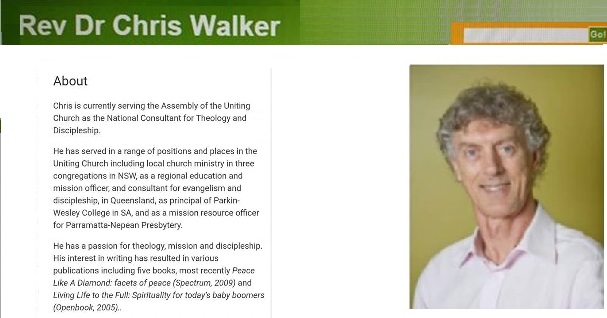
with Rev Dr Chris Walker
Righteousness
‘Righteous’ is not a word we commonly use. It means morally right or justifiable. In the USA it is sometimes used informally to mean excellent. That is not how we use it in Australia. We are more likely to use the word ‘self-righteous’ to refer to someone who thinks they are morally superior to others. We are not impressed by such people. In ancient Israel righteousness was a positive goal.
In Matthew’s gospel about the birth of Jesus, Joseph is described as a righteous man. He takes to heart the Torah and lives by it. Thomas Long points out that when Joseph learns that his betrothed is pregnant, he intends to obey the law, which is clear on the face of it. Mary is to be divorced; their relationship is to be dissolved. In fact, says Long, going strictly by the book, a public trial and even execution were not out of the question (Deut. 22:20-22). But Joseph as a righteous person intends to be obedient to the law but not vengeful. So as not to disgrace Mary publicly, Joseph seeks no public shaming but plans to dismiss her quietly.
Then something surprising happens. An angel visits Joseph in a dream with news from the Lord, unexpected news. There is, points out Long, in what the angel says, more God in Mary’s pregnancy than Joseph knows. The child conceived in her is from the Holy Spirit. To this stunning and startling announcement, the angel tells Joseph to take Mary as his wife and to name the baby Jesus.
How Joseph understands righteousness is challenged. There is the clear command of the Torah and the equally clear command of the angel, God’s messenger. The angel told Joseph not to be afraid. The story does not suggest he was afraid of the angel. Rather he was afraid to transgress what the law said. But he then did what the angel asked and took Mary as his wife.
Matthew as gospel writer comments, “All this took place to fulfil what had been spoken by the Lord through the prophet. He quotes Isaiah 7:14: “Look, the virgin shall conceive and bear a son, and they shall name him Emmanuel which means God is with us”. Later in the Sermon on the Mount Jesus says, “Do not think I have come to abolish the law or the prophets; I have come not to abolish but to fulfil” (Matthew 5:17).
God fulfils the promises of the law, the intention of the law, in new and unexpected ways. Jesus fulfils the law by going beyond the letter of the law. He can even break the law at times, such as healing on the Sabbath, because he lives by principle or law of love. In the Sermon on the Mount Jesus can even say, “unless your righteousness exceeds that of the scribes and Pharisees, you will never enter the kingdom of heaven” (Matthew 5:20). Jesus is clearly critical of the self-righteousness and hypocritical lives of the scribes and Pharisees. They make out they are keeping the Torah’s commands but in fact find ways to get around the law for self-interested purposes. To exceed the righteousness of the scribes and Pharisees means living not just by the Torah but the intention of God’s law which is to do God’s will. For Jesus the law of love fulfils the written law even if at times it has to contravene it.
When a Pharisee lawyer asked, “Which commandment in the law is the greatest?” Jesus replied, “You shall love the Lord your God with all your heart, and with all your soul, and with all your mind. This is the greatest and first commandment. And a second is like it: You shall love your neighbour as yourself. On these two commandments hang all the law and the prophets” (Matthew 22:36-40).
This leads me to the question, who is righteous? If we are honest, we have to admit that none of us live up to Jesus’ standard of being fully loving, loving God and our neighbour as ourselves. Paul discovered that his zealous desire to be righteous was mistaken. In Philippians he writes of himself, “If anyone else has reason to be confident in the flesh, I have more: circumcised on the eighth day, a member of the people of Israel, of the tribe of Benjamin, a Hebrew born of Hebrews, as to the law a Pharisee, as to zeal a persecutor of the church, as to righteousness under the law, blameless” (Phil. 3: 4-6). As an Israelite, his credentials were impressive. He can claim righteousness under the law. But in doing so he was a persecutor of the church. He opposed what God had done in Jesus and was doing through the church.
Paul came to the realisation of what he was doing on the road to Damascus when the risen Jesus asked him, “Saul, Saul, why do you persecute me?” (Acts 9:4). Therefore, in Philippians Paul goes on to say that because of the surpassing value of knowing Christ Jesus he regards all these gains as loss, as rubbish. His desire now is to gain Christ and be found in him, “not having a righteousness of my own that comes from the law, but one that comes through faith in Christ, the righteousness from God based on faith. I want to know Christ and the power of his resurrection and the sharing of his suffering by becoming like him in faith” (Phil 3: 7-11).
Paul came to understand that true righteousness was not something we achieve but comes by faith in Jesus. By identifying with Jesus, by putting all our trust in him, we are given an imputed righteousness. The only fully righteous person was Jesus himself. But by identifying with Jesus, we align ourselves with his righteousness. Hence, we are righteous by faith. Nevertheless, we should still strive to be righteous, to be loving, to love God wholeheartedly and our neighbour as ourselves. We do so by our words, actions and giving.
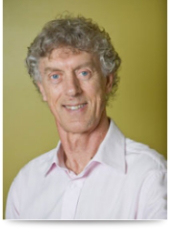
Chris Walker
http://revdrchriswalker.wordpress.com/
Chris is currently serving the Assembly of the Uniting Church as the National Consultant for Theology and Discipleship.
He has served in a range of positions and places in the Uniting Church including local church ministry in three congregations in NSW, as a regional education and mission officer, and consultant for evangelism and discipleship, in Queensland, as principal of Parkin-Wesley College in SA, and as a mission resource officer for Parramatta-Nepean Presbytery.
He has a passion for theology, mission and discipleship. His interest in writing has resulted in various publications including five books, most recently Peace Like A Diamond: facets of peace (Spectrum, 2009) and Living Life to the Full: Spirituality for today’s baby boomers (Openbook, 2005)
의로움
‘의로운’이라는 단어는 우리가 흔히 사용하는 단어는 아닙니다. 도덕적으로 옳거나 정당한 것을 의미합니다. 미국에서는 때때로 비공식적으로 훌륭하다는 의미로 사용되기도 합니다. 하지만 호주에서는 그렇게 사용하지 않습니다. 우리는 오히려 자신이 도덕적으로 남들보다 우월하다고 생각하는 사람을 가리킬 때 ‘자기 의로운’이라는 단어를 더 자주 사용합니다. 우리는 그런 사람들에게 감명을 받지 않습니다. 고대 이스라엘에서 의로움은 긍정적인 목표였습니다.
마태복음의 예수 탄생 이야기에서 요셉은 의로운 사람으로 묘사됩니다. 그는 토라를 마음속에 새기고 그 안에서 살았습니다. 토마스 롱은 요셉이 약혼녀 마리아가 임신했다는 사실을 알았을 때 율법을 지키려 했다는 점을 지적합니다. 마리아는 이혼해야 했고, 두 사람의 관계는 끝내야 했습니다. 롱은 율법에 엄격히 따랐다면 공개 재판과 심지어 처형까지도 고려되었을 것이라고 말합니다(신명기 22:20-22). 하지만 의로운 사람인 요셉은 율법에 순종하려 했지만 복수심에 사로잡히지는 않았습니다. 마리아를 공개적으로 망신시키지 않기 위해 요셉은 그녀를 조용히 내보내려 했습니다.
그런데 놀라운 일이 일어납니다. 천사가 꿈에 나타나 주님의 소식을 전하는데, 예상치 못한 소식이었습니다. 롱은 천사의 말에 요셉이 생각했던 것보다 더 큰 하나님의 역사가 담겨 있다고 지적합니다. 마리아의 잉태는 성령으로 말미암은 아이였습니다. 이 놀랍고도 충격적인 소식과 함께 천사는 요셉에게 마리아를 아내로 맞이하고 아기의 이름을 예수라고 지으라고 말합니다.
요셉이 이해하는 의로움에 대한 생각이 흔들립니다. 토라의 분명한 명령과 하나님의 사자인 천사의 분명한 명령이 있었습니다. 천사는 요셉에게 두려워하지 말라고 했습니다. 이 이야기는 요셉이 천사를 두려워했다는 것이 아니라, 율법을 어길까 두려워했다는 것을 보여줍니다. 그러나 그는 천사의 말대로 마리아를 아내로 맞이했습니다.
복음서 저자인 마태는 “이 모든 일은 주께서 선지자를 통해 말씀하신 것을 이루기 위하여 일어난 것이다.”라고 기록하며, 이사야 7장 14절을 인용합니다. “보라, 처녀가 잉태하여 아들을 낳을 것이요 그 이름을 임마누엘이라 하리라 이는 하나님이 우리와 함께 계시다는 뜻이다.” 이후 산상수훈에서 예수님은 “내가 율법이나 선지자를 폐하러 온 줄로 생각하지 말라.”라고 말씀하십니다. “내가 온 것은 폐하러 온 것이 아니라 완성하러 온 것이다”(마태복음 5:17).
하나님은 율법의 약속, 즉 율법의 본래 의도를 새롭고 예상치 못한 방식으로 성취하십니다. 예수님은 율법의 문자적 해석을 뛰어넘어 율법을 완성하셨습니다. 심지어 안식일에 병을 고치시는 것처럼 때로는 율법을 어기시기도 하셨는데, 이는 사랑의 원칙, 즉 사랑의 율법에 따라 사셨기 때문입니다. 산상수훈에서 예수님은 “너희 의가 서기관들과 바리새인들의 의보다 더 낫지 않으면 천국에 들어가지 못할 것이다”(마태복음 5:20)라고 말씀하셨습니다. 예수님은 서기관들과 바리새인들의 자기 의로움과 위선적인 삶을 분명히 비판하셨습니다. 그들은 토라의 계명을 지키는 척했지만, 실제로는 자기 이익을 위해 율법을 교묘하게 피해 갔습니다. 서기관들과 바리새인들의 의로움을 뛰어넘는다는 것은 토라뿐 아니라 하나님의 뜻을 행하라는 하나님의 율법의 본래 의도대로 사는 것을 의미합니다. 예수님께 있어서 사랑의 율법은 바로 그러한 의미를 담고 있습니다. 비록 때로는 율법을 어겨야 할지라도, 기록된 율법을 온전히 지키려고 노력합니다.
바리새인 율법사가 “율법 가운데 가장 큰 계명은 무엇입니까?”라고 묻자, 예수님은 “너는 마음을 다하고 영혼을 다하고 뜻을 다하여 주 너의 하나님을 사랑하라. 이것이 가장 크고 첫째 되는 계명이다. 둘째 계명은 이것과 같으니, 네 이웃을 네 자신처럼 사랑하라.”라고 대답하셨습니다. “이 두 계명에 모든 율법과 선지자의 말씀이 달려 있다”(마태복음 22:36-40).
이것은 저에게 “누가 의로운가?”라는 질문을 던지게 합니다. 솔직히 말해서, 우리 중 누구도 예수님이 제시하신, 하나님과 이웃을 자신처럼 온전히 사랑하는 기준에 미치지 못한다는 것을 인정해야 합니다. 바울은 의롭게 되고자 하는 자신의 열정이 잘못된 것임을 깨달았습니다. 빌립보서에서 그는 자신에 대해 이렇게 썼습니다. “다른 사람이 육신을 자랑할 만한 이유가 있거든 나는 더 그러합니다. 나는 팔일 만에 할례를 받았고 이스라엘 백성이며 베냐민 지파에 속하고 히브리인에게서 난 히브리인입니다. 율법으로는 바리새인이었고 열심으로는 교회를 박해하는 자였으나 율법 아래서의 의로움으로는 흠이 없습니다”(빌립보서 3:4-6). 이스라엘 사람으로서 그의 자격은 훌륭해 보였습니다. 그는 율법 아래서 의롭다고 주장할 수 있었습니다. 그러나 그렇게 함으로써 그는 교회를 박해했습니다. 그는 예수님 안에서 그리고 다른 이들을 통해 하나님께서 행하신 일에 반대했습니다. 교회.
바울은 다마스쿠스로 가는 길에서 부활하신 예수님께서 “사울아, 사울아, 어찌하여 나를 박해하느냐?”(사도행전 9:4)라고 물으셨을 때 자신이 무엇을 하고 있는지 깨달았습니다. 그래서 빌립보서에서 바울은 그리스도 예수님을 아는 것이 얼마나 귀한지 깨닫고, 이 모든 것을 손실, 쓰레기처럼 여긴다고 말합니다. 이제 그의 소망은 그리스도를 얻고 그분 안에 발견되는 것입니다. “율법에서 나오는 내 자신의 의가 아니라, 그리스도를 믿는 믿음에서 나오는 의, 곧 믿음에 기초한 하나님의 의를 가지려 합니다. 나는 그리스도를 알고, 그의 부활의 능력과 그의 고난에 참여하는 것을 알고 싶습니다. 믿음으로 그와 같이 되려 합니다.”(빌립보서 3:7-11)
바울은 참된 의는 우리가 노력해서 얻는 것이 아니라 예수님을 믿는 믿음으로 얻는 것임을 깨달았습니다. 예수님과 하나 되고, 그분께 온전히 의지할 때, 우리는 전가된 의를 받게 됩니다. 온전히 의로우신 분은 오직 예수님 자신뿐이십니다. 그러나 예수님과 하나 됨으로써 우리는 그분의 의에 동참하게 됩니다. 그러므로 우리는 믿음으로 의롭게 되는 것입니다. 그럼에도 불구하고 우리는 여전히 의롭고 사랑이 넘치며, 하나님을 온 마음으로 사랑하고 이웃을 자신처럼 사랑하기 위해 노력해야 합니다. 우리는 말과 행동, 그리고 나눔을 통해 그렇게 할 수 있습니다.
크리스천라이프 편집부