
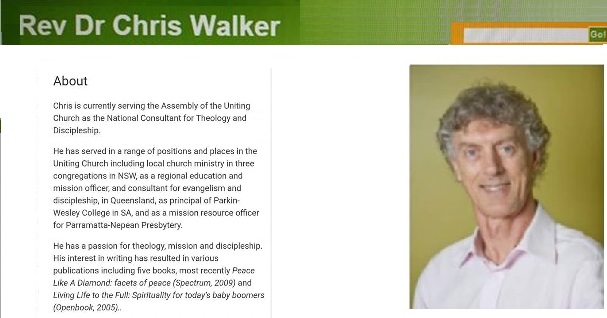
with Rev Dr Chris Walker
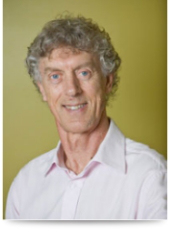
Beloved
Beloved is a Pulitzer prize-winning novel by American writer Toni Morrison. Set after the American Civil War (1861-1865), it tells the story of a family of former slaves whose Cincinnati home is haunted by a malevolent spirit. The novel Beloved is inspired by an event that actually happened: Margaret Garner, a slave in Kentucky, escaped and fled to the free state of Ohio in 1856. She was subject to capture in accordance with the Fugitive Slave Act of 1850. When U.S. marshals burst into the cabin where Garner and her husband had barricaded themselves, she was attempting to kill her children, and had already killed her two-year-old daughter, to spare them from being returned to slavery. Morrison uses the story to depict the lives of black Americans at the time and all they had been through. Beloved is the name on the gravestone of the murdered daughter who haunts the house.
The depth of racism evident at the time and the challenges that faced black people is perceptively portrayed. The use of the ghost makes for a compelling tale. Toni Morrison, a black person herself, is able to capture the language and attitudes of the black people of the period. Over one hundred and fifty years since the end of slavery and we still have in the USA the “Black Lives Matter” movement. In the Australian context indigenous Australians also have continuing issues as a result of the taking over of Australia by white people in 1788. While progress has been made, there is still a lot of improvement required to enable indigenous Australians to receive the recognition they deserve and enjoy comparable standards with the rest of the population.

Many people would like to think that we are progressively getting better in societies like Australia and the USA but there is much to be done to improve the situation. Justice is not easily achieved and has to be continually worked on. As society changes there are always new challenges emerging. The biggest challenge at present has to do with climate change and the need to move away from fossil fuels to renewable energy and to stop wrecking the planet by human practices of exploitation and pollution. Then there is the issue of war and terrorism with humans continuing to regard others as enemies to exact revenge upon and take over resources. The people who suffer most are mostly civilians who are killed, wounded and displaced because of the conflict.
My biblical and Christian understanding takes its cue from the prophets of ancient Israel and Jesus Christ. The prophets of ancient Israel called for faithfulness to the covenant they had with God. They challenged in strong terms the reality of injustice and exploitation of others. Amos for example says the following.
Thus says the Lord: for three transgressions of Israel, and for four, I will not revoke the punishment; because they sell the righteous for silver, and the needy for a pair of sandals – they who trample the head of the poor into the dust of the earth, and push the afflicted out of the way; father and son go into the same girl, so that my holy name is profaned (Amos 2:6-7.
Later Amos says, “But let justice roll down like waters, and righteousness like an everflowing stream” (Amos 5:24).
Hosea similarly says.
Hear the word of the Lord, O people of Israel; for the Lord has an indictment against the inhabitants of the land. There is no faithfulness or loyalty, and no knowledge of God in the land. Swearing and lying, and murder, and stealing and adultery break out; bloodshed follows bloodshed. Therefore the land mourns, and all who lie in it languish; together with the wild animals and the birds of the air, even the fish of the sea are perishing (Hosea 4:1-3).
The people have broken the ten commandments and the outcome is that even the animals, birds and fish are negatively affected.
Isaiah longs for the day when out of Jerusalem God will speak.
He shall judge between the nations, and shall arbitrate for many peoples; they shall beat their swords into ploughshares, and their spears into pruning hooks; nation shall not lift up sword against nation, neither shall they learn war any more (Isaiah 2:4).
Micah has the same statement and adds “but they shall all sit under their own fig trees, and no one shall make them afraid; for the mouth of the Lord has spoken” (Micah 4:3-4). People will live in peace and safety able to enjoy the fruits of their labour.
Jesus showed special concern for those regarded as sinners and outsiders offering forgiveness and acceptance. He said those who responded would enter the kingdom of God while the self-righteous would miss out. He announced the reign of God and said people could enter it now though its fullness was future. The early church affirmed all people were beloved of God, not just Jews but also Gentiles.
We are called to work towards God’s reign of love, justice, reconciliation and peace in the present while recognizing what we achieve is always provisional. Nevertheless, we can make improvements, we do not have to continue to wreck the planet and destroy the habitat of other creatures. There is the possibility of a better future in this life and not just the next.
During the long period of slavery of over two hundred years in America black people developed Spiritual songs to encourage them. These understandably frequently focused on the next life, though they often had a double meaning, such as, “Swing low, sweet chariot, comin’ for to carry me home.”
While we can hope for life beyond death, we can also seek to improve life in the present. Jesus calls us to do so. We have his words and example to follow. He consistently practiced compassion and non-violence and challenged those in power. He gave us the Lord’s prayer in which we say, “Your kingdom come, your will be done, on earth as in heaven.”
Chris Walker
http://revdrchriswalker.wordpress.com/
Chris is currently serving the Assembly of the Uniting Church as the National Consultant for Theology and Discipleship.
He has served in a range of positions and places in the Uniting Church including local church ministry in three congregations in NSW, as a regional education and mission officer, and consultant for evangelism and discipleship, in Queensland, as principal of Parkin-Wesley College in SA, and as a mission resource officer for Parramatta-Nepean Presbytery.
He has a passion for theology, mission and discipleship. His interest in writing has resulted in various publications including five books, most recently Peace Like A Diamond: facets of peace (Spectrum, 2009) and Living Life to the Full: Spirituality for today’s baby boomers (Openbook, 2005).
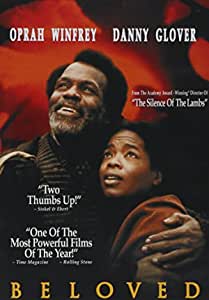
Beloved (가장 사랑하는)
Beloved는 미국 작가 토니 모리슨의 퓰리처상 수상 소설입이다. 미국 남북 전쟁 (1861-1865) 이후를 배경으로 한 이 소설은 신시내티의 집에 사악한 영혼이 도사리고 있는 전 노예 가족의 이야기를 들려준다. 소설 Beloved는 실제로 일어난 사건에서 영감을 얻었다. 켄터키의 노예인 Margaret Garner는 1856년 탈출하여 오하이오 자유주로 도망쳤다. 그녀는 1850년의 도망자 노예법에 따라 체포되었다. Garner와 그녀의 남편이 바리케이드를 치고 있는 오두막에 뛰어들어, 그녀는 아이들을 죽이려 했고, 노예로 돌아가지 않기 위해 두 살배기 딸을 이미 죽였다. Morrison은 이 이야기를 통해 당시 흑인 미국인들의 삶과 그들이 겪었던 것들을 묘사한다. ‘가장 사랑하는’ (Beloved)은 살해당한 딸의 묘비에 이름이다.
당시의 인종 차별주의의 깊이와 흑인들이 직면한 어려움이 잘 드러난다. 유령의 사용은 설득력 있는 이야기를 만든다. 흑인인 토니 모리슨은 그 시대 흑인들의 언어와 태도를 포착할 수 있다. 노예제가 폐지된 지 150년이 넘었지만 우리는 여전히 미국에서 “Black Lives Matter” 운동을 하고 있다. 호주의 맥락에서 호주 원주민은 1788년 백인이 호주에 들어온 결과 계속 문제를 겪고 있다. 진전이 있었지만 원주민 호주인이 마땅히 받아야 할 인정을 받을 수 있도록 하려면 여전히 많은 개선이 필요하다.
많은 사람들은 우리가 호주와 미국과 같은 사회에서 점차 나아지고 있다고 생각하기를 원하지만 상황을 개선하기 위해 해야 할 일이 많다. 정의는 쉽게 이루어지지 않으며 끊임없이 노력해야 한다. 사회가 변화함에 따라 항상 새로운 도전이 등장한다. 현재 가장 큰 문제는 기후 변화와 화석 연료에서 재생 에너지로 옮겨가야 하고 인간의 착취와 오염 관행으로 지구를 파괴하는 것을 중단해야 하는 필요성과 관련이 있다. 그리고 인류가 타인을 적으로 간주하여 복수하고 자원을 탈취하는 전쟁과 테러의 문제가 있다. 가장 고통받는 사람들은 대부분이 분쟁으로 인해 사망, 부상, 실향한 민간인들이다.
나의 성경적, 기독교적 이해는 고대 이스라엘과 예수 그리스도의 선지자들로부터 힌트를 얻었다. 고대 이스라엘의 선지자들은 하나님과 맺은 성약에 충실할 것을 요구했다. 그들은 불의와 타인에 대한 착취의 현실에 강력하게 도전했다. 예를 들어 아모스는 다음과 같이 말한다.
“여호와께서 이같이 말씀하시되 이스라엘의 서너 가지 죄로 말미암아 내가 그 벌을 돌이키지 아니하리라 의인을 은에 팔고 궁핍한 자를 신 한 켤레에 팔기 때문이니 그들은 가난한 자의 머리를 땅의 티끌에 짓밟으며 곤고한 자를 길에서 내쫓는 자들이니라. 아버지와 아들이 한 여자에게 들어가 내 거룩한 이름을 욕되게 하는도다” (암 2:6-7).
나중에 아모스는 “오직 공의는 물같이 흐르고 공의는 흐르는 강물 같이 흐르게 하라”(암 5:24)라고 말했다.
호세아도 비슷하게 말한다.
“이스라엘 백성이여, 여호와의 말씀을 들으십시오. 이는 여호와께서 그 땅의 거민에 대하여 고발하셨음이라. 그 땅에는 신실함도 충성도 없고 하나님을 아는 지식도 없습니다. 욕설과 거짓말과 살인과 도둑질과 간음이 일어나며 유혈은 유혈을 따른다. 그러므로 땅이 애통하고 그 안에 누워 있는 모든 자가 곤비하며 들짐승과 공중의 새와 바다의 고기도 죽느니라” (호 4:1-3)
백성이 십계명을 어겼고 그 결과는 짐승과 새와 물고기까지 다 악영향을 미쳤다.
이사야는 예루살렘에서 하나님이 말씀하실 그 날을 간절히 바라고 있다.
“그는 열방 사이에 심판하시며 많은 민족을 위하여 중재하시리로다. 그들이 그들의 칼을 쳐서 보습을 만들고 그들의 창을 쳐서 낫을 만들 것이며 민족이 다시는 칼을 들고 민족을 치지 아니하며 다시는 전쟁을 배우지 아니하리로다” (사 2:4).
미가는 같은 말을 하고 다음을 덧붙였다. “이는 여호와의 입이 말씀하셨음이니라” (미 4:3-4). 사람들은 노동의 결실을 즐길 수 있는 평화롭고 안전하게 살 것이다.
예수님은 죄인으로 간주되는 사람들과 외부인으로 간주되는 사람들에게 용서와 수용을 제공하는 특별한 관심을 보이셨다. 그는 응답하는 사람들이 하나님의 왕국에 들어갈 것이고 독선적인 사람들은 놓칠 것이라고 말했다. 그는 하나님의 통치를 선포하고 그 충만함은 미래일지라도 사람들이 지금 들어갈 수 있다고 말했다. 초대교회는 유대인뿐 아니라 이방인까지 모든 사람이 하나님의 사랑을 받았다고 확증했다.
우리는 우리가 성취하는 것이 항상 잠정적임을 인식하면서 현재의 사랑, 정의, 화해, 평화의 하나님의 통치를 위해 일하도록 부름 받았다. 그럼에도 불구하고 우리는 개선할 수 있으며 계속해서 지구를 파괴하고 다른 생물의 서식지를 파괴할 필요는 없다. 다음 생이 아니라 이 생에서 더 나은 미래가 있을 가능성이 있다.
미국에서 200년이 넘는 긴 노예 기간 동안 흑인들은 그들을 격려하기 위해 영적 노래를 개발했다. 이것들은 종종 다음 삶에 초점을 맞추었지만, 종종 “잔잔히 흔들리는, 사랑스런 마차가, 나를 집으로 데려가러 온다”와 같은 이중 의미를 가지고 있었다.
우리는 죽음 너머의 삶을 희망할 수 있지만 현재의 삶을 개선하기 위해 노력할 수도 있다. 예수님은 그렇게 하라고 우리를 부르신다. 우리는 따라야 할 그분의 말씀과 모범이 있다. 그는 지속적으로 연민과 비폭력을 실천했고 권력자들에게 도전했다. 그분은 우리에게 “나라이 임하옵시며 뜻이 하늘에서 이룬 것 같이 땅에서도 이루어지이다”라고 말하는 주기도문을 주셨다.
번역 : 크리스천라이프 편집부