
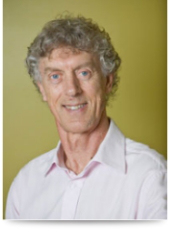
with Rev Dr Chris Walker
Accent the Positive
It is easy to be negative, to be critical, to find fault. It seems to me preferable and a more Christian approach to give attention to the positive, to affirm people, to be considerate. In saying this I am not suggesting that we ignore the negative or falsely always to be positive. I will explain this further.
Bob Dylan in one of his songs has the line, “when gravity fails and negativity don’t pull you through.” By this he means that having a generally negative approach to life, always seeing the things to criticize, is not the way to go through life. It does not pull you through; it does not sustain you. You need something positive to keep you going. You need hope and purpose. Negativity does not provide that.
There are of course many negative things that do need to be criticized and called to account. Prophetic protest is part of the Christian vocation in my view. We are to be opposed to racism, sexism. and discrimination of all kinds. We are to question the use of violence and war to achieve national ends. We should be seeking to overcome poverty and help people to have a decent standard of living. In Australia this has in particular to do with redressing the wrongs that indigenous Australians have suffered and continue to experience as the most disadvantaged group in our society.
The Beatles have this line in one of their songs, “Life is very short and there is no time for fussing and fighting my friend.” While I agree with the sentiment people do often fuss; they do often show unnecessary concern or bother about unimportant things. As for fighting, it is all too common from domestic violence to terrorist activity and warfare. Those involved claim it was provoked and justified but the outcome is that people are killed and hurt. Life is short. As a senior person now, it amazes me how the time has gone. The two songs referred to above were first sung over fifty years ago.
How then do we make the most of the life we have been given? Whatever the amount of time we have in this life, how do we approach it best? Jesus and the Bible give us clear clues in response to these questions. Jesus tells us to “strive first for the kingdom of God and his righteousness” (Matthew 6:33). We are not to be worried about what we will eat or drink, about our body and what we will wear. God knows that we need these things but they should not be the focus of our lives. Paul calls us to have the same mind as Jesus Christ, namely to seek God’s will in all things. Paul recommends, “whatever is true, whatever is honourable, whatever is just, whatever is pure, whatever is pleasing, whatever is commendable, if there is any excellence and if there is anything worthy of praise, think about these things” (Phil. 4:8).
What this amounts to, is that we are to be attentive to God and God’s rule, to God’s loving and just will first of all. We are not to be self-absorbed worrying about our own image. The goal in life is not to become wealthy or famous. It is to become the person God wants us to be, a person of integrity, a person who cares for others and the world. This means to become more like Jesus Christ looking to him and asking for God’s Spirit to guide and enable us.
Related to this is the attitude that we take to life. Do we see life negatively, do we see it in terms of what we lack or dislike? Is our attention always on what we can criticize and find fault with? Or do we start from being grateful to God for giving us life and what we have and live out of God’s grace, God’s generosity. That is to live positively.
The contrast is clear to me. Do we live believing everything is scarce and we have to get what we can and regard others as competitors? In doing so we try to undermine them and find ways to defeat them. Life is viewed as not providing what it should and so the outlook one has is generally negative. This can take the form of entitlement so that we expect life to provide for all our needs and wants and are annoyed and angry when it does not. Comparisons are made with others better off than us and one holds that we should have all that they have.
This is very different to the view that God has provided sufficiently for everyone. We live out of God’s generosity. Others are viewed as equally God’s sons and daughters. Rather than a competitive attitude there is the view that each person deserves to have enough. Those who are disadvantaged should receive more attention for they do not have all they require to live well. God has a special concern for them and wants them to be enabled to have sufficient for their needs. Those of us who are relatively better off have a responsibility to assist others so that they can live healthy and hopeful lives. God has provided but our current world is not just in the way it functions. The rich and powerful are able to use their power to ensure they continue to have more than they need. Distributive justice calls for a fairer allocation of resources so that all people do have enough food, clean water, safety, shelter, health care and prospects for the future.
While one can feel negative about the world, Christian faith calls for realistic yet hopeful responses. Life can improve for us and others, especially those who are poor. There have been improvements and the United Nations is working towards its “sustainable development goals.” As Christians we are to be positive and on the side of what God wants for all people and indeed for all the world.
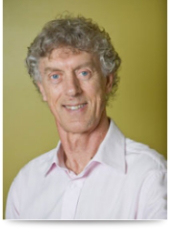
Chris Walker
http://revdrchriswalker.wordpress.com/
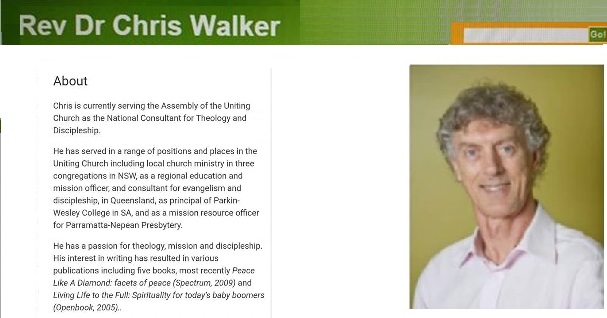
Chris is currently serving the Assembly of the Uniting Church as the National Consultant for Theology and Discipleship.
He has served in a range of positions and places in the Uniting Church including local church ministry in three congregations in NSW, as a regional education and mission officer, and consultant for evangelism and discipleship, in Queensland, as principal of Parkin-Wesley College in SA, and as a mission resource officer for Parramatta-Nepean Presbytery.
He has a passion for theology, mission and discipleship. His interest in writing has resulted in various publications including five books, most recently Peace Like A Diamond: facets of peace (Spectrum, 2009) and Living Life to the Full: Spirituality for today’s baby boomers (Openbook, 2005).
긍정적인 부분을 강조하세요
부정적이고 비판적이며 결점을 찾는 것은 쉽습니다. 긍정적인 면에 관심을 기울이고, 사람들을 긍정하고, 배려하는 것이 더 바람직하고 기독교적인 접근 방식인 것 같습니다. 이 말은 우리가 부정적인 것을 무시하거나 거짓으로 항상 긍정적이라는 것을 의미하는 것이 아닙니다. 이에 대해 더 자세히 설명하겠습니다.
밥 딜런(Bob Dylan)의 노래 중 하나에는 “중력이 무너지고 부정적인 생각이 당신을 끌어당기지 못할 때”라는 가사가 있습니다. 이는 삶에 대해 일반적으로 부정적인 접근 방식을 갖고, 항상 비판할 것을 보는 것이 삶을 살아가는 방식이 아니라는 것을 의미합니다. 그것은 당신을 끌어당기지 않습니다. 그것은 당신을 지탱하지 않습니다. 계속해서 일하려면 긍정적인 무언가가 필요합니다. 희망과 목적이 필요합니다. 부정성은 그것을 제공하지 않습니다.
물론 비판받고 책임을 져야 할 부정적인 것들이 많이 있습니다. 내 생각으로는 예언적 항의는 기독교 소명의 일부이다. 우리는 인종차별, 성차별에 반대해야 합니다. 그리고 온갖 차별. 우리는 국가적 목적을 달성하기 위해 폭력과 전쟁을 사용하는 것에 대해 의문을 제기해야 합니다. 우리는 빈곤을 극복하고 사람들이 적절한 생활 수준을 갖도록 돕기 위해 노력해야 합니다. 호주에서 이는 특히 호주 원주민들이 우리 사회에서 가장 불리한 집단으로서 고통받고 계속 겪고 있는 잘못을 시정하는 것과 관련이 있습니다.
비틀즈의 노래 중 “인생은 매우 짧고 내 친구와 소란을 피우고 싸울 시간이 없습니다.”라는 가사가 있습니다. 나는 사람들이 종종 소란을 피우는 정서에 동의하지만; 그들은 종종 불필요한 관심을 보이거나 중요하지 않은 일에 신경을 씁니다. 싸움의 경우, 가정 폭력부터 테러 활동, 전쟁에 이르기까지 너무나 흔한 일입니다. 관련자들은 도발과 정당성이 있다고 주장하지만 결과적으로는 사람이 죽고 다치는 일이 발생한다. 인생은 짧다. 이제 선배로서 시간이 어떻게 흘러갔는지 새삼 놀랍습니다. 위에 언급된 두 노래는 50여년 전에 처음 불려졌습니다.
그렇다면 우리는 우리에게 주어진 삶을 어떻게 최대한 활용합니까? 우리가 이생에서 얼마나 많은 시간을 갖고 있든, 우리는 어떻게 그 시간에 가장 잘 접근할 수 있습니까? 예수님과 성경은 이러한 질문에 대한 대답으로 우리에게 명확한 단서를 제공합니다. 예수님은 우리에게 “먼저 하나님의 나라와 그의 의를 위하여 힘쓰라”(마 6:33)고 말씀하십니다. 우리는 무엇을 먹을까 무엇을 마실까, 무엇을 마실까, 우리 몸을 위하여 무엇을 입을까 염려하지 말아야 합니다. 하나님께서는 우리에게 이런 것들이 필요하다는 것을 아십니다. 그러나 그것이 우리 삶의 초점이 되어서는 안 됩니다. 바울은 우리에게 예수 그리스도와 같은 마음을 가지라고, 즉 모든 일에서 하나님의 뜻을 구하라고 요구합니다. 바울은 “무엇에든지 참되며 무엇에든지 경건하며 무엇에든지 옳으며 무엇에든지 정결하며 무엇에든지 사랑할 만하며 무엇에든지 칭찬할 만하며 무슨 덕이 있든지 무슨 기림이 있든지 이것들을 생각하라”고 권면합니다. 4:8).
이것이 의미하는 바는 우리가 하나님과 하나님의 통치, 무엇보다도 하나님의 사랑과 의로우신 뜻에 주의를 기울여야 한다는 것입니다. 우리는 자신의 이미지를 걱정하며 자기중심적이어서는 안 됩니다. 인생의 목표는 부자나 유명해지는 것이 아니다. 하나님께서 원하시는 사람, 정직한 사람, 남과 세상을 배려하는 사람이 되는 것입니다. 이는 예수 그리스도를 더욱 닮아가는 것을 의미하며 하나님의 영이 우리를 인도하고 가능하게 해달라고 간구하는 것을 의미합니다.
이것과 관련된 것은 우리가 삶에 취하는 태도입니다. 우리는 삶을 부정적으로 보는가, 우리가 부족하거나 싫어하는 측면에서 보는가? 우리는 항상 비판하고 결점을 찾을 수 있는 것에 주의를 기울이고 있습니까? 아니면 우리에게 생명을 주시고 우리가 가진 것을 주시고 하나님의 은혜와 관대하심으로 살아가는 하나님께 감사하는 것부터 시작합니까? 긍정적으로 사는 것입니다.
나에게는 대조가 분명합니다. 우리는 모든 것이 부족하고, 우리가 얻을 수 있는 것을 얻어야 하고, 다른 사람들을 경쟁자로 여기며 살아가고 있습니까? 그렇게 함으로써 우리는 그들을 약화시키고 그들을 물리칠 방법을 찾으려고 노력합니다. 인생은 마땅히 해야 할 것을 제공하지 않는 것으로 간주되므로 사람의 전망은 일반적으로 부정적입니다. 이것은 자격의 형태를 취할 수 있으므로 우리는 삶이 우리의 모든 필요와 원하는 것을 제공할 것으로 기대하고 그렇지 않으면 짜증이 나고 화를 냅니다. 우리보다 부유한 다른 사람들과 비교하며 그들이 가진 모든 것을 우리가 가져야 한다고 주장합니다.
이것은 하나님께서 모든 사람에게 충분하게 공급하셨다는 견해와는 매우 다릅니다. 우리는 하나님의 관대하심으로 살아갑니다. 다른 사람들도 똑같이 하느님의 아들과 딸로 간주됩니다. 경쟁적인 태도보다는 각자가 충분히 가질 자격이 있다는 견해가 있습니다. 소외된 사람들은 잘 살기 위해 필요한 모든 것을 가지고 있지 않기 때문에 더 많은 관심을 받아야 합니다. 하나님께서는 그들에 대해 특별한 관심을 갖고 계시며 그들이 그들의 필요를 충족시킬 수 있기를 원하십니다. 우리 중 상대적으로 부유한 사람들은 다른 사람들이 건강하고 희망찬 삶을 살 수 있도록 도와야 할 책임이 있습니다. 하나님께서 마련해 주셨지만 현재의 세계는 그것이 기능하는 방식에만 국한되지 않습니다. 부자와 권력자는 자신의 힘을 사용하여 필요한 것보다 더 많은 것을 계속 소유할 수 있습니다. 분배 정의는 모든 사람이 충분한 식량, 깨끗한 물, 안전, 보호소, 건강 관리 및 미래 전망을 가질 수 있도록 자원을 보다 공평하게 할당할 것을 요구합니다.
세상에 대해 부정적인 느낌을 가질 수 있지만, 기독교 신앙은 현실적이면서도 희망적인 반응을 요구합니다. 우리 자신과 다른 사람들, 특히 가난한 사람들의 삶은 더 나아질 수 있습니다. 개선이 이루어졌으며 유엔은 “지속 가능한 개발 목표”를 향해 노력하고 있습니다. 그리스도인으로서 우리는 긍정적이어야 하며 하나님께서 모든 사람과 실제로 온 세상을 위해 원하시는 것의 편에 서야 합니다.
번역 = 크리스천라이프 편집부