
with Rev Dr Chris Walker
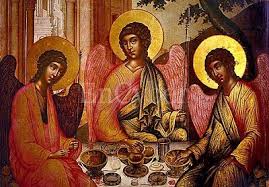
Trinity
In my first church placement at Bondi Beach I had a surfboard that was custom made. The guy who made the surfboard for me put a cross on it and the word “Trinity” over it. This was mentioned in a newspaper article on me as the new minister at Chapel by the Sea.
Often people speak of the doctrine of the “Trinity” as a mysterious and difficult concept. It is mysterious for it relates to the nature of God who is always beyond our capacity to grasp fully. Nevertheless, Trinity is a central and helpful theological concept in Christian understanding.
Christian thought focuses on Jesus Christ. In him we hold that God was present in a unique way. He was more than a holy man or prophet. His life and teaching culminating in his death and resurrection led the early disciples to speak of him in exalted terms. As the risen Lord he was spoken of in the same way that they spoke of God. Through Jesus God was at work. In his earthly ministry, the way Jesus was able to heal people and caste out demons was taken as a clear indication that God’s power was active in him. They were signs that God’s reign was breaking into the present through Jesus. His death on the cross was understood not simply as the unfortunate end of a leader whose life was cut short by the religious and political authorities. His death was held to be a representative one highlighting God’s love for humanity. In Jesus God identified with this person and was willing to endure the worst that people could do to him, namely suffer and die a cruel death. In doing so evil and injustice were exposed. The resurrection showed that God is stronger than the powers that opposed Jesus. Evil and death did not have the last word, God’s love did. So the early followers of Jesus held the cross to demonstrate God’s love, forgiveness and reconciliation. The theological term for God’s activity in Jesus is incarnation. God was in Christ reconciling the world to God’s self (Paul). In Jesus God’s word became flesh and dwelt among us (John).
As the early church reflected on the significance of Jesus, they came to say that while Jesus was fully human he was also fully divine. This did not mean that Jesus was God in the sense that he prayed to himself. Clearly Jesus prayed to the Father, taught his disciples to pray, “Our Father in heaven…” and sought to do the Father’s will no matter how hard that might be (consider his prayer at Gethsemane). What it did mean was an expansion of how we understand the nature of God. God was not only God the Father, the Creator and Lord of all. God was also in the Son, Jesus. Thus there was held to be differentiation in God. God was Father and Son in intimate relationship.
This raised the question of the status of the Spirit. Was the Spirit somehow less than God or equal to God? The Holy Spirit was recognised to be God’s very Spirit, the Spirit of Jesus Christ, the crucified and risen One. The Spirit was held to be at work in the world. Indeed it is impossible to get away from the Spirit of God’s presence (Psalm 139). The Spirit was especially linked to the life and ministry of Jesus, from birth to resurrection. John says the Spirit will not speak on his own but will glorify Jesus (John 16). The Spirit is given to followers of Jesus and provides gifts and fruit (Galatians 5) to enable people to live as a community of God, the body of Christ, and become more like Jesus Christ in the quality of their lives (Ephesians 4).
This means a further differentiation in God. God was Father, Son and Spirit in an inter-related way. So the idea of God as Trinity moves us away from thinking of God as a simple, single identity. Nor are we to think of God as being in effect three gods. Rather God is to be thought of as beyond us (transcendent) and with us and all creation (immanent) and even to identify with a particular individual at a specific point in time (Jesus of Nazareth). The risen Jesus is one with God and God’s Spirit.
God created the universe. God redeems it and would sanctify it. God in God’s freedom has created the universe, the world and all that is in it. God granted the world a relative independence and respects the freedom given to the world and its creatures, most notably humans. It was out of love and a desire, it seems, to create something that was not God and had its own dynamic qualities.
God has also surprisingly chosen to relate closely to the world even to the point of subjecting God’s self to the contingencies of life, a particular human life. God does so out of love for creation and for humans who have misused the freedom granted to them. God suffers with creation and especially sinful and suffering humanity. In Jesus God has acted to redeem and reconcile the world to God’s self.
God would also lead the world and humans towards the fulfilment God intends for them. This is not a simple progression towards an ever better world. History is more complicated and ambiguous than that. Yet God does want to sanctify the world through humans becoming more fully the human beings they potentially can be. This takes place through the work of the Spirit touching human spirits to enable them to become more like Jesus Christ. This is not just an individual matter for God desires that God’s reign of love, justice and peace come. Jesus inaugurated this rule of God and said it was coming. While its full realisation is beyond this life, eschatologically, it can become more of a reality in this life.
The Trinity then is about God who is a differentiated God, who functions as Creator, Word and Spirit. More personally, God is Father, Son and Spirit, a community of love. This Triune God has identified with us in Jesus and continues to be present by the Spirit. God not only created and creates, but redeems and reconciles, and moves us towards fulfilment and sanctification.
Chris Walker
(National Consultant Christian Unity, Doctrine & Worship)
삼위일체
본다이 비치에서 첫 사역을 할 때, 저는 특별 제작한 서핑보드를 가지고 있었습니다. 서핑보드를 만들어준 사람은 그 위에 십자가를 그리고 “삼위일체(Trinity)”라는 글자를 새겨 넣었습니다. 이 이야기는 제가 채플 바이 더 씨(Chapel by the Sea)의 새 목사로 부임했을 때 신문 기사에 언급되었습니다.
많은 사람들이 “삼위일체” 교리를 신비롭고 어려운 개념으로 여깁니다. 이는 하나님의 본질과 관련되어 있기 때문에 신비로운 것입니다. 하나님은 언제나 우리의 완전한 이해를 초월하시기 때문입니다. 그럼에도 불구하고 삼위일체는 기독교 신앙에서 중심적이고 유익한 신학적 개념입니다.
기독교 사상은 예수 그리스도를 중심으로 합니다. 우리는 그분 안에서 하나님이 독특한 방식으로 임재하셨다고 믿습니다. 그분은 단순한 거룩한 사람이나 예언자 이상이셨습니다. 그분의 삶과 가르침, 그리고 죽음과 부활은 초기 제자들이 그분을 숭고하게 부르도록 이끌었습니다. 부활하신 주님으로서 그분은 제자들이 하나님을 부르는 방식과 똑같이 불렸습니다. 하나님은 예수님을 통해 역사하셨습니다. 예수님께서 지상 사역 동안 사람들을 치유하고 귀신을 쫓아내신 것은 하나님 능력이 그분 안에서 역사하고 있음을 분명히 보여주는 증거였습니다. 이는 예수님을 통해 하나님의 통치가 현재에 임하고 있음을 나타내는 표징이었습니다. 십자가에서의 그분의 죽음은 단순히 종교적, 정치적 권력자들에 의해 생명이 단축된 지도자의 불행한 최후로만 이해되지 않았습니다. 그분의 죽음은 인류를 향한 하나님의 사랑을 강조하는 대표적인 죽음으로 여겨졌습니다. 하나님은 예수님 안에서 이 인간과 자신을 동일시하셨고, 사람들이 그에게 행할 수 있는 최악의 일, 즉 고통받고 잔혹한 죽음을 기꺼이 감수하셨습니다. 그렇게 함으로써 악과 불의가 드러났습니다. 부활은 하나님이 예수님을 대적하는 세력보다 강하시다는 것을 보여주었습니다. 악과 죽음이 최종 승리를 거두지 못했고, 하나님의 사랑이 승리했습니다. 그래서 예수님의 초기 제자들은 십자가를 하나님의 사랑, 용서, 그리고 화해를 보여주는 증거로 여겼습니다. 예수님 안에서 역사하신 하나님의 모습을 신학적으로 성육신이라고 합니다. 하나님은 그리스도 안에 계셔서 세상을 하나님 자신과 화해시키셨습니다(바울). 예수님 안에서 하나님의 말씀이 육신이 되어 우리 가운데 거하셨습니다(요한).
초대 교회는 예수님의 의미를 묵상하면서 예수님은 완전한 인간이시면서 동시에 완전한 신이시라고 말하게 되었습니다. 이것은 예수님이 스스로에게 기도하셨다는 의미에서 하나님이시라는 뜻은 아닙니다. 예수님은 분명히 아버지께 기도하셨고, 제자들에게 “하늘에 계신 우리 아버지…”라고 기도하는 법을 가르치셨으며, 아무리 어려운 일이 있더라도 아버지의 뜻을 행하려고 애쓰셨습니다(겟세마네 동산에서의 기도를 생각해 보십시오). 이것은 우리가 하나님의 본질을 이해하는 방식을 확장하는 것을 의미했습니다. 하나님은 단지 만물의 창조주이자 주님이신 아버지 하나님일 뿐만 아니라, 아들 예수님 안에도 계셨습니다. 따라서 하나님 안에는 구별이 있다고 여겨졌습니다. 하나님은 친밀한 관계를 맺고 계신 아버지와 아들 하나님이십니다.
이것은 성령의 지위에 대한 질문을 제기했습니다. 성령은 하나님보다 열등한 존재인가, 아니면 하나님과 동등한 존재인가? 성령은 하나님의 영, 곧 십자가에 못 박히시고 부활하신 예수 그리스도의 영으로 인정되었습니다. 성령은 세상에서 역사하시는 분으로 여겨졌습니다. 실제로 하나님의 임재의 영을 피할 수는 없습니다(시편 139편). 성령은 예수님의 탄생부터 부활까지, 그분의 삶과 사역과 특별히 연결되어 있었습니다. 요한은 성령이 자기 마음대로 말하지 않고 예수를 영화롭게 하실 것이라고 말합니다(요한복음 16장). 성령은 예수님을 따르는 자들에게 주어지며, 은사와 열매를 맺게 하여(갈라디아서 5장) 사람들이 하나님의 공동체, 곧 그리스도의 몸으로서 살아가고 삶의 질에 있어서 예수 그리스도를 더욱 닮아가도록 합니다(에베소서 4장).
이는 하나님 안에서 더욱 세속적인 존재임을 의미합니다. 하나님은 아버지, 아들, 성령이시며, 서로 긴밀하게 연결되어 있습니다. 따라서 삼위일체라는 개념은 하나님을 단순한 단일한 존재로 생각하는 것에서 벗어나게 해 줍니다. 또한 하나님을 사실상 세 분의 신으로 생각해서도 안 됩니다. 하나님은 우리를 초월하시는 분(초월적 존재)이시면서 동시에 우리와 모든 피조물과 함께하시는 분(내재적 존재)으로, 더 나아가 특정한 시점의 특정한 개인(나사렛 예수)과 동일시하시는 분으로 생각해야 합니다. 부활하신 예수님은 하나님과 하나님의 영과 하나이십니다.
하나님은 우주를 창조하셨습니다. 하나님은 우주를 구원하시고 거룩하게 하시기를 원하십니다. 하나님은 자신의 자유로 우주와 세상, 그리고 그 안에 있는 모든 것을 창조하셨습니다. 하나님은 세상에 상대적인 독립성을 부여하셨고, 세상과 그 피조물, 특히 인간에게 주어진 자유를 존중하십니다. 이는 사랑과 소망에서 비롯된 것으로 보이며, 하나님이 아닌, 그 자체로 역동적인 속성을 지닌 존재를 창조하고자 하신 것입니다.
하나님은 또한 놀랍게도 세상과 긴밀하게 관계를 맺으시기로 선택하셨고, 심지어는 당신 자신을 특정한 인간의 삶, 삶의 불확실성에 종속시키시기까지 하셨습니다. 하나님은 피조물에 대한 사랑, 그리고 자신에게 주어진 자유를 남용한 인간에 대한 사랑에서 그렇게 하십니다. 하나님은 피조물, 특히 죄 많고 고통받는 인류와 함께 고통받으십니다. 예수님 안에서 하나님은 세상을 구원하시고 하나님과 화해시키셨습니다.
하나님께서는 또한 세상과 인간을 하나님께서 의도하신 성취로 인도하실 것입니다. 이것은 단순히 더 나은 세상을 향한 점진적인 발전이 아닙니다. 역사는 그보다 훨씬 더 복잡하고 모호합니다. 그러나 하나님께서는 인간이 잠재력을 최대한 발휘하여 더욱 온전한 인간으로 성장하도록 함으로써 세상을 거룩하게 하시기를 원하십니다. 이는 성령께서 인간의 영을 감동시키셔서 예수 그리스도를 더욱 닮아가도록 하심으로써 이루어집니다. 이는 단지 개인적인 문제가 아닙니다. 하나님께서는 사랑과 정의와 평화의 나라가 임하기를 바라십니다. 예수님께서는 이러한 하나님의 통치를 시작하셨고, 그것이 올 것이라고 말씀하셨습니다. 비록 그 완전한 실현은 이 세상 너머에 있지만, 종말론적으로는 이 세상에서 더욱 현실화될 수 있습니다.
삼위일체는 창조주, 말씀, 성령으로 구별된 하나님을 의미합니다. 더 인격적으로, 하나님은 아버지, 아들, 성령, 사랑의 공동체이십니다. 이 삼위일체 하나님은 예수님 안에서 우리와 하나 되셨고, 성령을 통해 계속해서 우리와 함께하십니다. 하나님은 창조하시고 또 창조하실 뿐 아니라, 구원하시고 화해시키시며, 우리를 성취와 성화로 이끌어 가십니다.
번역 = 크리스천라이프 편집부