
with Rev Dr Chris Walker
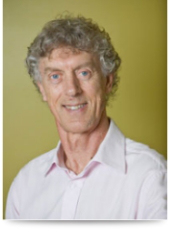
What do we want? What do we need?
What we need is more basic than what we want. Nevertheless, what we want can be a strong motivation. Our wants are secondary and may even be opposed to what is for the common good. I will reflect on this making use of the Lord’s Prayer.
All of us desire that our mothers and fathers love us and take an interest in us. People’s mental well-being can be negatively affected if their parents fail to do so. The Lord’s Prayer begins, “Our Father” with the implication that the God Jesus portrayed was a loving father who knows and cares for all God’s children. Jesus deliberately used the term “Abba” to convey that God was like a close father, the opposite of a distant or judgmental father.
We are called to honour and respect our parents even though they are less than perfect. How much more should we honour and revere God who is a God of steadfast love and faithfulness as the psalmists say so often. We are to “hallow” God’s name. In doing so we maintain a positive relationship with our parents and with God our heavenly parent. We need such relationships even if we claim we can do without them.
Our world is far from what God intends, namely societies characterised by justice, compassion and peace. Yet politicians often want power and wealth and can use force and corruption to gain it. Powerful rich people want to maintain and grow their wealth and influence and can be driven by greed. Banks are often subject to this want and may act in ways that cheat ordinary people. Judges also can be corrupted for the sake of gaining money and pleasing those in power who may have put them into the positions they now have. Palestinians need a Palestine State where they can live and determine their own future. The State of Israel, however, wants to frustrate this and is ruthlessly doing all it can to destroy Gaza, make life absolutely miserable for the people and take over the West Bank. Israel’s goal is to dominate and deny a two-state solution to the long-term conflict in the region. Russia has used bombing infrastructure in Kiev to seek to gain the upper hand in getting what it wants out of the conflict it initiated. Civil war in Sudan and other places is between groups vying for control with ordinary people the ones who suffer the most.
In the Lord’s Prayer we petition, “your kingdom come, your will be done, on earth as in heaven.” We recognise that what we really need is for God’s reign to come which is different to the reign of egotistical political leaders. We also ask that God’s will be done which calls each of us to seek God’s will and carry it out. Jesus shows us that God’s will is for the least, the suffering and the disadvantaged in particular and does not favour the rich and powerful as the world is currently ordered. God’s heavenly kingdom is characterised by fairness for all, by compassion, by reconciliation and peace. We are to seek to make life on earth more like that.
All people need enough food to provide for themselves and their families. There is sufficient food produced in the world for no one to go hungry. Yet poverty, including extreme poverty, continues. A fairer world and a means of distributing food so all can eat is required. We ask God, the source of all food, “Give us today our daily bread.” We do not need to hoard food but have enough for each day.
In Christian understanding we are both sinners and sinned against. We all fall short of being the loving people God desires us to be. We act selfishly or express sentiments that hurt others’ feelings. Other people, whether deliberately or unintentionally, can negatively impact our lives. If we are not to act selfishly even if it hurts others, or bear grudges against others, we need to be willing to forgive and receive forgiveness. Jesus’ prayer calls us to “Forgive us our sins, as we forgive those who sin against us.”
All of us have and will face times of trial. Life on earth, life in families, life in society inevitably has its challenges. Some people have to deal with more trials than others. We rightly admire the resilience of people who have had to face serious difficulties. While some people seem to have fewer trials, no one is exempt from some suffering and adversity. We may want perfect health but we do need to have a satisfactory health system. We may want a big house but we all need housing that is adequate and assistance if it is affected by extreme weather events. We pray, “Save us from (or in) the time of trial.”
Evil is real. Evil can take many forms. It has to do with deliberately taking advantage of others, of harming others, of seeking to dominate or deny others what is rightfully theirs. Evil is seen in nations inflicting themselves on other nations, in terrorists killing and injuring innocent people, in arms dealers profiting from war and conflict, in corporations using their power to gain wealth often requiring workers to work in unsatisfactory conditions for low wages, in legal systems being used by powerful people to subvert justice. More subtle forms of evil include banks and super funds seeking profit over the common good, such as who they are willing to invest with, especially fossil fuel companies wanting to expand despite the climate emergency we are in. We can be complicit in evil and need to be alert to what we are connected with. We are called to do good and avoid evil, to practice love and not be supporting unfair practices. So, we pray, “deliver us from evil.”
From my Christian position the starting point is to recognize God who can help us to discern what we really need from what we want.
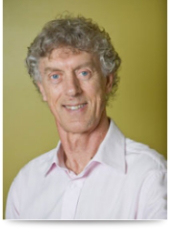
Chris Walker
http://revdrchriswalker.wordpress.com/
Chris is currently serving the Assembly of the Uniting Church as the National Consultant for Theology and Discipleship.
He has served in a range of positions and places in the Uniting Church including local church ministry in three congregations in NSW, as a regional education and mission officer, and consultant for evangelism and discipleship, in Queensland, as principal of Parkin-Wesley College in SA, and as a mission resource officer for Parramatta-Nepean Presbytery.
He has a passion for theology, mission and discipleship. His interest in writing has resulted in various publications including five books, most recently Peace Like A Diamond: facets of peace (Spectrum, 2009) and Living Life to the Full: Spirituality for today’s baby boomers (Openbook, 2005)
우리는 무엇을 원하는가? 우리에게 필요한 것은 무엇인가?
우리에게 필요한 것은 우리가 원하는 것보다 더 근본적인 것입니다. 그럼에도 불구하고, 우리가 원하는 것은 강력한 동기가 될 수 있습니다. 우리의 욕구는 부차적인 것이며, 심지어 공동의 유익과 상반될 수도 있습니다. 주기도문을 통해 이 점을 생각해 보겠습니다.
우리 모두는 부모님의 사랑과 관심을 갈망합니다. 부모의 사랑과 관심을 받지 못하면 자녀의 정신 건강에 부정적인 영향을 미칠 수 있습니다. 주기도문은 “우리 아버지”로 시작하는데, 이는 예수님께서 묘사하신 하나님이 모든 자녀를 알고 돌보시는 사랑의 아버지라는 의미를 내포하고 있습니다. 예수님께서는 하나님이 멀리 떨어져 있거나 심판하는 아버지와는 정반대되는, 가까운 아버지와 같다는 것을 나타내기 위해 “아바”라는 호칭을 의도적으로 사용하셨습니다.
우리는 부모님이 완벽하지 않더라도 공경하고 존경해야 합니다. 하물며 시편 기자들이 자주 노래하듯 변함없는 사랑과 신실하심을 베푸시는 하나님을 얼마나 더 공경하고 경외해야 하겠습니까? 우리는 하나님의 이름을 “거룩하게” 해야 합니다. 그렇게 함으로써 우리는 부모님과, 그리고 하늘의 부모이신 하나님과 긍정적인 관계를 유지할 수 있습니다. 우리가 그런 관계 없이도 살 수 있다고 주장할지라도, 우리는 그러한 관계가 필요합니다.
우리의 세상은 하나님께서 의도하신 정의, 자비, 평화가 넘치는 사회와는 거리가 멉니다. 정치인들은 권력과 부를 탐하고, 이를 얻기 위해 폭력과 부패를 서슴지 않습니다. 권력 있는 부자들은 자신의 부와 영향력을 유지하고 키우려 하며, 탐욕에 사로잡히기 쉽습니다. 은행들도 이러한 욕망에 휘둘려 일반 사람들을 속이는 행위를 저지르기도 합니다. 판사들 또한 돈을 벌고 자신을 권력의 자리에 앉힌 자들의 환심을 사기 위해 부패할 수 있습니다. 팔레스타인 사람들은 자신들이 살고 스스로 미래를 결정할 수 있는 팔레스타인 국가를 필요로 합니다. 그러나 이스라엘은 이를 좌절시키고 가자지구를 파괴하고, 주민들의 삶을 비참하게 만들고, 서안지구를 장악하기 위해 온갖 수단을 동원하고 있습니다. 이스라엘의 목표는 이 지역의 오랜 분쟁에 대한 두 국가 해법을 막고 지배권을 확보하는 것입니다. 러시아는 키예프의 기반 시설을 폭격하여 자신들이 시작한 분쟁에서 원하는 것을 얻기 위한 우위를 점하려 했습니다. 수단을 비롯한 여러 곳에서 벌어지는 내전은 통제권을 놓고 다투는 집단들 간의 싸움이며, 가장 큰 고통을 받는 것은 평범한 사람들입니다.
주기도문에서 우리는 “주의 나라가 임하옵시며 주의 뜻이 하늘에서와 같이 땅에서도 이루어지옵소서”라고 간구합니다. 우리에게 진정으로 필요한 것은 이기적인 정치 지도자들의 통치가 아닌 하나님의 통치임을 깨닫습니다. 또한 하나님의 뜻이 이루어지기를 간구하는데, 이는 우리 각자가 하나님의 뜻을 찾고 실천해야 함을 의미합니다. 예수님은 하나님의 뜻이 가장 약한 자, 고통받는 자, 특히 불우한 자들을 위한 것이며, 현재 세상처럼 부유하고 권력 있는 자들을 위한 것이 아님을 보여주셨습니다. 하나님의 천국은 모든 사람에게 공평하고, 자비롭고, 화해하고, 평화로운 곳입니다. 우리는 이 땅에서의 삶이 그러한 천국에 더 가까워지도록 노력해야 합니다.
모든 사람은 자신과 가족을 부양할 충분한 식량이 필요합니다. 전 세계적으로 생산되는 식량은 아무도 굶주리지 않을 만큼 충분합니다. 하지만 극심한 빈곤을 포함한 가난은 여전히 존재합니다. 더 공정한 세상과 모든 사람이 먹을 수 있도록 식량을 분배하는 방법이 필요합니다. 우리는 모든 식량의 근원이신 하나님께 “오늘 우리에게 일용할 양식을 주옵소서”라고 기도합니다. 우리는 음식을 비축할 필요가 없지만, 매일 필요한 만큼은 충분히 가져야 합니다.
기독교적 관점에서 우리는 죄인이기도 하고 죄의 피해자이기도 합니다. 우리 모두는 하나님께서 바라시는 사랑의 사람이 되기에는 부족합니다. 우리는 이기적으로 행동하거나 다른 사람의 감정을 상하게 하는 말을 하기도 합니다. 다른 사람들은 의도적이든 아니든 우리의 삶에 부정적인 영향을 미칠 수 있습니다. 다른 사람에게 상처를 주더라도 이기적으로 행동하지 않고, 원한을 품지 않으려면 용서하고 용서받을 마음이 있어야 합니다. 예수님의 기도는 “우리가 우리에게 죄를 지은 사람들을 용서하는 것 같이 우리 죄를 용서하여 주시옵소서”라고 우리에게 촉구합니다.
우리 모두는 시련의 시기를 겪어왔고 앞으로도 겪게 될 것입니다. 이 땅에서의 삶, 가정생활, 사회생활에는 필연적으로 어려움이 따릅니다. 어떤 사람들은 다른 사람들보다 더 많은 시련을 겪어야 합니다. 우리는 심각한 어려움에 직면해야 했던 사람들의 회복력에 감탄하는 것이 당연합니다. 어떤 사람들은 시련을 덜 겪는 것처럼 보이지만, 고통과 역경에서 완전히 자유로운 사람은 아무도 없습니다. 우리는 완벽한 건강을 원할 수도 있지만, 만족스러운 의료 시스템이 필요합니다. 우리는 큰 집을 원할 수도 있지만, 모두에게는 적절한 주거 환경과 극한 기상 현상으로 피해를 입을 경우 도움을 받을 수 있는 시스템이 필요합니다. 우리는 “시련의 때에서 우리를 구원하소서”라고 기도합니다.
악은 실재합니다. 악은 여러 가지 형태로 나타납니다. 악은 고의적으로 타인을 이용하고, 해치고, 지배하려 하거나, 타인의 정당한 권리를 빼앗으려 하는 행위와 관련이 있습니다. 악은 국가가 다른 국가를 침략하는 행위, 테러리스트가 무고한 사람들을 죽이고 다치게 하는 행위, 무기 거래상이 전쟁과 분쟁을 통해 이익을 취하는 행위, 기업이 권력을 이용해 부를 축적하고 종종 노동자들을 열악한 환경에서 저임금으로 일하게 하는 행위, 권력자들이 사법 제도를 악용하여 정의를 왜곡하는 행위에서 볼 수 있습니다. 더 은밀한 형태의 악으로는 은행과 슈퍼펀드가 공익보다 이윤을 추구하는 행위, 특히 기후 위기에도 불구하고 확장을 원하는 화석 연료 기업들의 행태가 있습니다. 우리 또한 악에 가담할 수 있으며, 우리가 어떤 악과 연관되어 있는지 경계해야 합니다. 우리는 선을 행하고 악을 피하며, 사랑을 실천하고 불의한 행위를 지지하지 않도록 부름받았습니다. 그러므로 우리는 “악에서 우리를 구원하소서”라고 기도합니다.
저의 기독교적 관점에서, 출발점은 우리에게 진정으로 필요한 것과 원하는 것을 분별하도록 도와주시는 하나님을 인식하는 것입니다.
번역 = 크리스천라이프 편집부