

with Rev Dr Chris Walker
What Kind of Society Do We Want?
The Federal Government’s budget and the strong responses to it are not simply a matter of concern over finances. They also raise the question, what kind of society do we want?
The Federal budget was preceded by much talk of overspending, increasing deficits and the need to cut back in order to move towards a situation in which the finances are under strict control. The overriding criterion was economic. Other considerations were secondary. Even businesses now often speak of the “triple bottom line” which takes into account not only the economic but also the social and environmental outcomes of the business.
From a Christian perspective it seems to me we have our priorities the wrong way round. Instead of economic considerations dominating the discussion about our national life, our primary concern should be the well-being of people in our society and so manage our finances to maximise that. While economic responsibility is important, economics is a means to a larger end.
Canada has developed the Canadian Index of Well-being. It started from the recognition that “There is a growing sense that traditional measures of economic performance such as GDP, employment and income data do not capture the full story of what is happening in society. This has provoked a desire to monitor the state of the social and economic well-being of society.” In Australia there is a group working to develop an Australian National Development Index. It will develop new measures of equitable and sustainable well-being including environmental, social, economic, cultural and democratic dimensions. Hence it will look at overall well-being in fields such as equity, sustainability, democracy, human rights, environment, health, education, community vitality, and spirituality. This broad based approach is to be commended.
The kind of society I want is one that is moving towards what Jesus proclaimed, namely the Kingdom or Reign of God characterised by such qualities as justice, compassion, peace and reconciliation. The prophets of ancient Israel called for communities that flourish not only in terms of economic prosperity but practice distributive justice, show concern especially for the least in society, seek peace not war, fairness not exploitation, and have people reconciled to one another and the land. If they were truly to be the people of God this is the way they were called to live out their covenant with God. While they repeatedly turned away from God’s will, the prophets spoke out to bring them back to this expectation. Jesus’ life and ministry called people to enter the reign of God now and live by its values while continuing to hope for its fullness to come in the future. Hence he taught his disciples to pray, “Your kingdom come, your will be done, on earth as in heaven.” At the beginning of his public ministry Jesus went to his home town of Nazareth and to the synagogue. He chose a passage from the prophet Isaiah and read: “The Spirit of the Lord is upon me, because he has anointed me to bring good news to the poor. He has sent me to proclaim release to the captives and recovery of sight to the blind, to let the oppressed go free, to proclaim the year of the Lord’s favour.” He then announced that “Today this scripture has been fulfilled in your hearing” (Luke4:16-21). Jesus’ life, teaching and ministry were characterised by concern for people, especially those shunned by others, by challenging the people in authority to act with justice and compassion. He wanted people to enter God’s realm, experience fullness of life and serve God’s good purposes.
If we take the Reign of God and its values and Jesus as its model then we can evaluate the adequacy of the Federal Budget in the light of them. Jesus does have parables about economic responsibility and initiative, such as the parable of the Talents. He also warns about making economic wealth the priority rather than God in the parable of the Rich Fool. While it is appropriate to be concerned about economic well-being now and into the future, this is meant to be for the benefit of all people. The justice God desires is distributive justice in which all share in the benefits of society. Hence a levy on high income individuals is desirable. Money towards medical research is always required. Unfortunately increased medical expenses which will affect the poor and indigenous people especially are not fair. Cutting back in major ways in health and education spending will mean that the wealthier people can afford to pay for their health needs while others will have to make do with less adequate provision. Those from wealthier families will be able to pay for higher education while those from lower income families are likely not to be able to do so. Cutting back on funding to the ABC and SBS is also unfortunate as they provide major news and other services to thoughtful Australians and those from many cultures. Yet there is money to pay for a very expensive fleet of military planes.
The extreme measures in the budget represent moving towards a different kind of Australia, one that regards economics as supreme and people primarily as economic units. It fails to see people’s needs as parents, carers, patients, students or even commuters. It favours the rich and is likely to lead to a growing underclass rather than trying to overcome such a development. It is even hard to see why such an extreme budget was regarded as necessary given that Australia has currently low inflation, low interest rates, low debt relative to other comparable nations, and a high credit rating.
While I come from a Christian perspective wanting Australia to move towards the Reign of God and its values, I expect that even secular people want a society that is more compassionate and more just rather than one that helps the rich for the most part to get richer and the poorer people to bear more than their share of the cost of the proposed cuts. Australians I hope are responding not just out of concern for how they will be affected personally but out of a desire for a better Australia for all.
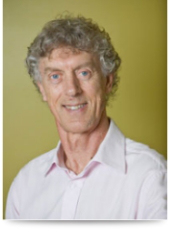
Chris Walker
(National Consultant Christian Unity, Doctrine & Worship)
우리는 어떤 사회를 원하는가?
연방 정부의 예산안과 그에 대한 강력한 반응은 단순히 재정 문제에 대한 우려만을 제기하는 것이 아닙니다. 이는 우리가 어떤 사회를 원하는가라는 질문을 던지게 합니다.
연방 예산안 발표에 앞서 과도한 지출, 증가하는 적자, 그리고 재정을 엄격하게 통제하기 위한 긴축의 필요성에 대한 논의가 활발히 이루어졌습니다. 최우선 기준은 경제적 이익이었고, 다른 고려 사항들은 부차적인 것이었습니다. 심지어 기업들조차 이제 경제적 성과뿐 아니라 사회적, 환경적 성과까지 고려하는 “트리플 바텀 라인(Triple Bottom Line)”이라는 개념을 자주 사용합니다.
기독교적 관점에서 볼 때, 우리는 우선순위를 잘못 정하고 있다고 생각합니다. 국가 생활에 대한 논의를 경제적 고려 사항이 지배하기보다는, 우리 사회 구성원들의 행복이 최우선 과제가 되어야 하며, 이를 위해 재정을 효율적으로 관리해야 합니다. 경제적 책임도 중요하지만, 경제는 더 큰 목적을 위한 수단일 뿐입니다.
캐나다는 캐나다 웰빙 지수(Canadian Index of Well-being)를 개발했습니다. 이는 “GDP, 고용, 소득 데이터와 같은 전통적인 경제 성과 지표가 사회에서 일어나고 있는 일의 전체적인 모습을 제대로 반영하지 못한다는 인식이 커지고 있다”는 점에서 시작되었습니다. 이러한 인식은 사회의 사회적, 경제적 복지 상태를 모니터링하고자 하는 열망을 불러일으켰습니다. 호주에서는 호주 국가 개발 지수(Australian National Development Index) 개발을 위해 노력하는 단체가 있습니다. 이 지수는 환경, 사회, 경제, 문화, 민주주의를 아우르는 공정하고 지속 가능한 복지를 측정하는 새로운 지표를 개발할 것입니다. 따라서 형평성, 지속 가능성, 민주주의, 인권, 환경, 건강, 교육, 공동체 활력, 영성 등 다양한 분야에서 전반적인 복지를 살펴볼 것입니다. 이러한 포괄적인 접근 방식은 높이 평가받아야 합니다.
제가 바라는 사회는 예수님께서 선포하신, 정의, 자비, 평화, 화해와 같은 특징을 지닌 하나님의 나라 또는 통치를 향해 나아가는 사회입니다. 고대 이스라엘의 예언자들은 경제적 번영뿐 아니라 분배 정의를 실천하고, 사회에서 가장 약한 자들을 특별히 돌보며, 전쟁이 아닌 평화를, 착취가 아닌 공정함을 추구하고, 사람들이 서로 그리고 땅과 화해하는 공동체를 촉구했습니다. 그들이 진정으로 하나님의 백성이라면, 이것이 바로 하나님과 맺은 언약을 실천하며 살아가야 할 길이었습니다. 그들이 거듭 하나님의 뜻에서 벗어났을 때, 예언자들은 그들을 하나님의 뜻으로 다시 인도하기 위해 목소리를 높였습니다. 예수님의 삶과 사역은 사람들에게 지금 하나님의 나라에 들어가 그 가치관대로 살아가면서 미래에 도래할 하나님의 나라를 소망하도록 부르셨습니다. 그래서 예수님은 제자들에게 “주의 나라가 임하옵시며 주의 뜻이 하늘에서와 같이 땅에서도 이루어지옵소서”라고 기도하라고 가르치셨습니다. 예수님은 공생애를 시작하시면서 고향인 나사렛의 회당에 가셨습니다. 예수님은 이사야 선지자의 한 구절을 택하여 읽으셨습니다. “주의 영이 내게 임하셨으니 이는 그가 나를 택하사 가난한 자에게 복음을 전하게 하시고 포로된 자에게 해방을, 눈먼 자에게 시력을 회복시켜 주시고 억눌린 자를 자유롭게 하며 주의 은혜의 해를 선포하게 하셨음이라.” 그리고 “오늘 이 말씀이 너희가 듣는 앞에서 이루어졌느니라”라고 선포하셨습니다(누가복음 4:16-21). 예수님의 삶과 가르침, 그리고 사역은 사람들에 대한 관심, 특히 사회에서 소외된 사람들에 대한 관심, 그리고 권력자들에게 정의와 자비로 행동하도록 촉구하는 것으로 특징지어집니다. 예수님은 사람들이 하나님의 나라에 들어가 충만한 삶을 누리고 하나님의 선한 목적을 섬기기를 원하셨습니다.
하나님의 나라와 그 가치, 그리고 예수님을 본보기로 삼는다면, 우리는 이러한 관점에서 연방 예산의 적절성을 평가할 수 있습니다. 예수님께서는 달란트 비유와 같이 경제적 책임과 주도성에 관한 비유를 말씀하셨습니다. 또한 어리석은 부자 비유에서는 하나님보다 경제적 부를 우선시하는 것에 대해 경고하셨습니다. 현재와 미래의 경제적 복지에 관심을 갖는 것은 당연하지만, 이는 모든 사람의 이익을 위한 것이어야 합니다. 하나님께서 원하시는 정의는 모든 사람이 사회의 혜택을 공유하는 분배 정의입니다. 따라서 고소득층에 대한 세금 부과는 바람직합니다. 의학 연구에 대한 자금 지원은 항상 필요합니다. 그러나 특히 가난한 사람들과 원주민들에게 부담을 줄 의료비 증가는 공정하지 않습니다. 보건 및 교육 예산을 대폭 삭감하면 부유층은 필요한 의료 서비스를 감당할 수 있는 반면, 다른 사람들은 부족한 의료 서비스를 받게 될 것입니다. 부유한 가정의 자녀들은 고등 교육을 받을 수 있지만, 저소득 가정의 자녀들은 그럴 수 없을 가능성이 높습니다. ABC와 SBS에 대한 예산 삭감은 매우 유감스러운 일입니다. 이들 방송사는 사려 깊은 호주인들과 다양한 문화권 출신의 사람들에게 중요한 뉴스 및 기타 서비스를 제공하고 있기 때문입니다. 그런데도 막대한 비용이 드는 군용기 편대 유지에는 예산이 배정되어 있습니다.
이번 예산안의 극단적인 조치들은 경제를 최우선으로 여기고 사람들을 경제적 단위로만 취급하는, 이전과는 다른 형태의 호주로 향하는 움직임을 보여줍니다. 이는 부모, 간병인, 환자, 학생, 심지어 통근자로서의 사람들의 필요를 간과하고 있습니다. 부유층을 우대하는 이 예산안은 오히려 하층 계급의 심화를 초래할 가능성이 높으며, 이러한 문제를 해결하려는 노력은 찾아볼 수 없습니다. 현재 호주는 낮은 인플레이션, 낮은 금리, 다른 유사 국가들에 비해 낮은 부채 수준, 그리고 높은 신용 등급을 유지하고 있음에도 불구하고, 왜 이처럼 극단적인 예산안이 필요하다고 여겨졌는지 이해하기 어렵습니다.
저는 기독교적 관점에서 호주가 하나님의 나라와 그 가치관으로 나아가기를 바라지만, 세속적인 사람들조차도 부유층의 부를 더욱 증대시키고 가난한 사람들이 제안된 예산 삭감의 부담을 더 많이 짊어지게 하는 사회보다는 더욱 자비롭고 정의로운 사회를 원할 것이라고 생각합니다. 저는 호주 국민들이 개인적인 영향에 대한 우려뿐 아니라 모두를 위한 더 나은 호주를 바라는 마음에서 이러한 결정을 내리기를 바랍니다.
번역 = 크리스천라이프 편집부