
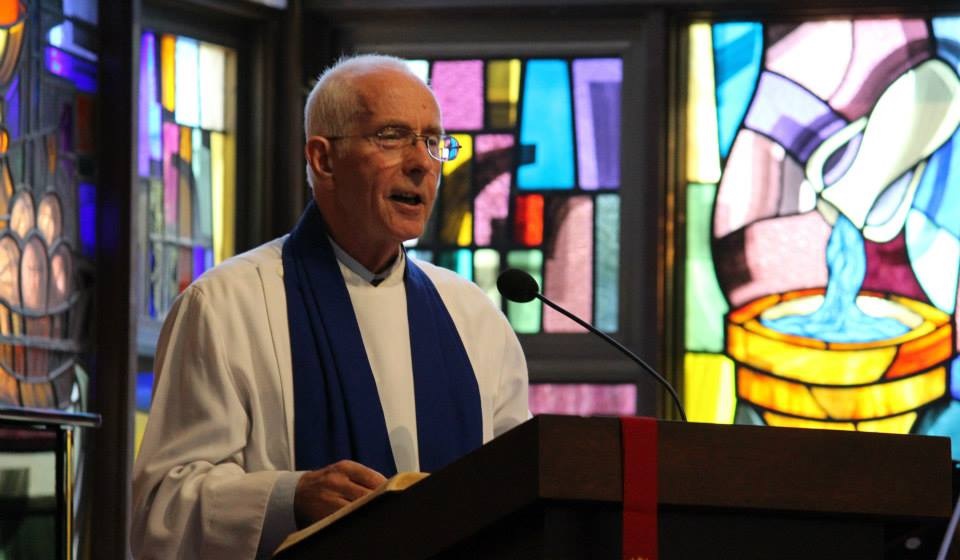
with Rev. Prof. Dean Drayton

Easter and Death
During this season of Easter as we celebrate the death and resurrection of Jesus of Nazareth, I was rather surprised to read an article in a scientific newspaper about death. The heading was particularly unexpected. “Emotive dreams can offer comfort before death”. What sort of emotive comfort did dreams offer before death?
The article cited a recent study in Italy which surveyed 239 local palliative care doctors and nurses about dreams recounted to them by people who were terminally ill. It was observed that the dreams often brought comfort and made the ill less scared of dying.
The most common dreams (when people were asleep) and visions (when people were awake) involved encounters with deceased family members and pets. Others dreamed of doors, stairways or light. Most commonly, people felt “peaceful” and “comforted” in relation to these end-of-life dreams and visions. Only about 10% were distressing.
A further study at a hospice in Buffalo in the US was referred to. It showed that “dreams about loved ones are very common in those who are terminally ill, and become more frequent as death approaches. It was this statement that made me sit up and take special notice. “What’s really interesting is it’s not random who comes to you – it’s always those people who loved and secured you,” the study states. It was also noted that as death approaches people are in and out of sleep, which seems to make the dreams more vivid and striking.
It was not really surprising that in a scientific journal, where death is treated as the end of life, that the only interpretation available to these researchers was that the dreams “offer psychological relief and meaning to people facing end of life.” It was certainly an encouragement to know that dreams can sometime make the final weeks of a terminal illness rich in love and meaning, such that individuals ‘come to something of acceptance.”
What was remarkable to me was the claim that the dreams were not random, but as death approached, increased in number and involved those in the dream who, before their own death, had loved them and cared for them. In these cases It was like the dreams became the means of those who most loved them preparing them for what was to come.. The dreams seem to be giving comfort before death, and preparing for meeting after death! In the Bible dreams are often the way in which the Holy Spirit speaks to people of God’s word for them.
It certainly is not what the authors intended from the article, but for me it was like a word of the Easter resurrection hope given to those who are at the point of facing the unknown, the fear, and sometimes the terror of dying, assuring them that there is life beyond death.
One, however, must be cautious with such evidence. It is dangerous to generalise from two surveys. It is, though, a surprising pointer in a time when for so many death is the ultimate end of life. The death of a loved one is a devastating time, a terrible shock, that brings profound grief. It is so important to acknowledge the wide range of human experience in the ways that people both face and experience death.
The article is a significant statement in seeing the possibility of dreams as a way of receiving comfort. The peculiar nature of these dreams though seems to open the possibility that these dreams are not only emotive. They open the door to the Easter reality. They may be one of the gracious ways the Lord of life and death enables us to transition from this life to the next.
Rev. Prof. Dean Drayton
(호주 연합교단 증경 전국총회장, 이이오나 트리니티 대학 이사장)
부활절과 죽음
나사렛 예수의 죽음과 부활을 기념하는 부활절 시즌에, 저는 한 과학 신문에서 죽음에 관한 기사를 읽고 다소 놀랐습니다. 특히 제목이 예상 밖이었습니다. “감정적인 꿈은 죽음 전에 위안을 줄 수 있다.” 꿈이 죽음 전에 어떤 종류의 감정적인 위안을 줄 수 있을까요?
이 기사는 최근 이탈리아에서 진행된 연구를 인용했는데, 이 연구는 말기 환자들이 꾼 꿈에 대해 지역 완화 치료 의사와 간호사 239명을 대상으로 설문 조사를 실시한 것이었습니다. 연구 결과, 꿈은 종종 위안을 주고 환자들이 죽음에 대한 두려움을 덜어주는 것으로 나타났습니다.
가장 흔한 꿈(잠자는 동안 꾸는 꿈)과 환상(깨어 있는 동안 보는 환상)은 세상을 떠난 가족이나 반려동물과의 만남이었습니다. 그 외에도 문, 계단, 빛에 대한 꿈도 있었습니다. 대부분의 사람들은 이러한 임종 관련 꿈과 환상에서 “평화롭고” “위로된” 느낌을 받았다고 답했습니다. 고통스러운 꿈은 약 10%에 불과했습니다.
이 기사는 미국 버팔로의 한 호스피스에서 진행된 추가 연구도 언급했습니다. 이 연구는 “사랑하는 사람에 대한 꿈은 말기 환자에게 매우 흔하며, 죽음이 가까워질수록 더욱 빈번해진다”는 사실을 보여주었습니다. 특히 이 부분이 제 관심을 끌었습니다. “정말 흥미로운 점은 꿈에 나타나는 사람들이 무작위가 아니라는 것입니다. 항상 당신을 사랑하고 아껴주었던 사람들이죠.”라고 연구는 지적합니다. 또한 죽음이 가까워질수록 사람들은 잠을 제대로 자지 못하는 경우가 많아 꿈이 더욱 생생하고 강렬해지는 것 같다고 언급했습니다.
죽음을 삶의 끝으로 여기는 과학 저널에서 연구자들이 내놓은 유일한 해석이 “임종을 앞둔 사람들에게 심리적 위안과 의미를 제공한다”는 것은 그리 놀라운 일이 아니었습니다. 하지만 꿈이 말기 환자의 마지막 몇 주를 사랑과 의미로 가득 채워주고, 결국 죽음을 받아들이게 해준다는 사실은 분명 고무적이었습니다.
제게 가장 놀라웠던 점은 꿈이 무작위가 아니라 죽음이 가까워질수록 꿈의 빈도가 늘어나고, 죽기 전까지 자신을 사랑하고 아껴주었던 사람들이 꿈에 등장한다는 주장이었습니다. 이러한 경우, 꿈은 사랑하는 사람을 잃은 이들이 다가올 미래를 준비하도록 돕는 수단이 된 것 같았습니다. 꿈은 죽음 앞에서 위로를 주고, 사후 만남을 준비하게 해주는 듯합니다. 성경에서 꿈은 성령께서 하나님의 말씀을 전하는 중요한 방법으로 자주 등장합니다.
물론 저자들이 의도한 바는 아니겠지만, 제게는 죽음의 공포와 두려움, 그리고 미지의 세계에 직면한 이들에게 부활의 소망을 전하는 말씀처럼 느껴졌습니다. 죽음 너머의 삶이 있음을 확신시켜 주는 메시지였습니다.
하지만 이러한 결과를 일반화하는 데에는 신중해야 합니다. 두 가지 조사 결과만으로 일반화하는 것은 위험합니다. 그럼에도 불구하고, 많은 이들에게 죽음은 삶의 궁극적인 끝이라는 현실을 고려할 때, 이는 놀라운 시사점입니다. 사랑하는 사람의 죽음은 엄청난 충격과 슬픔을 안겨주는 참담한 시간입니다. 사람들이 죽음을 마주하고 경험하는 방식은 매우 다양하다는 것을 인정하는 것이 중요합니다.
이 글은 꿈을 통해 위안을 얻을 수 있다는 가능성을 제시하는 중요한 주장입니다. 그러나 이러한 꿈들의 특이한 성격은 단순히 감정적인 경험에 그치지 않고, 부활의 현실로 나아가는 문을 열어줄 수도 있음을 시사합니다. 어쩌면 꿈은 생명과 죽음의 주인이신 주님께서 우리를 이 세상에서 다음 세상으로 인도하시는 은혜로운 방법 중 하나일지도 모릅니다.
번역 = 김환기 사관